Material
How to Glue Fiberglass (FRP / GRP)
Use 2-part marine / structural epoxy for most fiberglass (frp / grp) jobs. Marine-grade 2-part epoxy wets out and cross-links with the composite resin matrix, creating structural joints stronger than the original fiberglass.
Boat hulls, RV body panels, shower pans, bathtubs, surfboards, ladder rails, automotive body kits, archery bows
Best Glue for Fiberglass (FRP / GRP)
2-part marine / structural epoxy
Marine-grade 2-part epoxy wets out and cross-links with the composite resin matrix, creating structural joints stronger than the original fiberglass.
Extra prep
- Grind or sand the bonding area with 80-grit abrasive until glass fibers are exposed, and wipe clean with acetone.
Derived from our material compatibility data.
Identify
How to Identify Fiberglass (FRP / GRP) Before Gluing
Woven glass fiber pattern visible through resin on the raw back side. Rigid, high strength-to-weight ratio, and will not melt when touched with a hot soldering iron (chars and smells like burning resin rather than melting).
Character
How Fiberglass (FRP / GRP) Behaves When Glued
A high-strength composite consisting of woven or chopped glass fibers set inside a cured thermoset resin. Because the cured resin is thermoset (crosslinked), it cannot be re-melted or chemically solvent-welded. Marine-grade 2-part epoxy is the gold standard for repairs, creating structural bonds that match or exceed original laminate strength. Polyurethane marine adhesives excel on high-vibration hulls and through-hull fittings.
Properties
Why 2-part marine / structural epoxy Works on Fiberglass (FRP / GRP)
Why this answer
- A high-strength composite consisting of woven or chopped glass fibers set inside a cured thermoset resin. Because the cured resin is thermoset (crosslinked), it cannot be re-melted or chemically solvent-welded. Marine-grade 2-part epoxy is the gold standard for repairs, creating structural bonds that match or exceed original laminate strength. Polyurethane marine adhesives excel on high-vibration hulls and through-hull fittings.
- Marine-grade 2-part epoxy wets out and cross-links with the composite resin matrix, creating structural joints stronger than the original fiberglass.
- Grind or sand the bonding area with 80-grit abrasive until glass fibers are exposed, and wipe clean with acetone.
- PorosityNon-porous
- How much adhesive can soak in.
- Surface energyMedium
- Low surface energy sheds ordinary glue.
- StiffnessRigid
- Whether the joint has to bend with the part.
- Heat sensitivityLow
- How the material itself handles heat.
- Solvent sensitivityLow
- Whether solvent-based glues attack it.
Compatibility
Which Glues Work on Fiberglass (FRP / GRP)
Works well
- 2-part marine / structural epoxyWorks well
Marine-grade 2-part epoxy wets out and cross-links with the composite resin matrix, creating structural joints stronger than the original fiberglass.
Extra prep: Grind or sand the bonding area with 80-grit abrasive until glass fibers are exposed, and wipe clean with acetone.
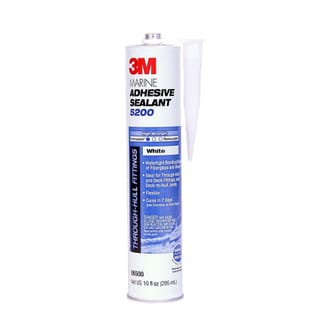
- Marine polyurethane adhesive sealantWorks well
Marine polyurethane adhesive cures into an impervious, rubber-tough bond that absorbs wave pounding, hull flex, and continuous water immersion.
Also works, with conditions
- Construction adhesiveDepends on conditions
High grab for mounting large FRP wall panels or tub surrounds onto stud walls and backing boards.
Instant on small, rigid, tight-fitting breaks — but it cures brittle and cracks loose on anything that flexes.
The fallback when the part flexes or gets wet; it seals rather than carries load.
Right for laminating a flexible plastic sheet down flat — but its solvent attacks polystyrene and ABS, so test a corner first.
Only when the other side is cloth: flexible enough for a fabric-to-plastic seam, far too weak for a structural one.
3 families don’t hold
- Solvent cementDoesn’t hold
Cured thermoset polyester or epoxy resin cannot be dissolved by plastic solvent cements; the joint will not fuse.
Spray adhesive — a repositionable film, not a bond; it slides off smooth plastic under any load.
Wood glue — plastic has no pores for it to soak into, so it peels off in a sheet.
Conditions
When to Use Marine polyurethane adhesive sealant Instead
Same joint, different circumstances. These are the conditions that change the pick.
Alternatives
Other Glues That Work on Fiberglass (FRP / GRP)
Marine polyurethane adhesive sealant
Marine polyurethane adhesive cures into an impervious, rubber-tough bond that absorbs wave pounding, hull flex, and continuous water immersion.
Better when: Water immersion, Outdoor exposure, Flexing or movement
High grab for mounting large FRP wall panels or tub surrounds onto stud walls and backing boards.
Better when: Gap or poor fit
Instant on small, rigid, tight-fitting breaks — but it cures brittle and cracks loose on anything that flexes.
The fallback when the part flexes or gets wet; it seals rather than carries load.
Better when: Flexing or movement, Water immersion
Right for laminating a flexible plastic sheet down flat — but its solvent attacks polystyrene and ABS, so test a corner first.
Only when the other side is cloth: flexible enough for a fabric-to-plastic seam, far too weak for a structural one.
Products
Products for Gluing Fiberglass (FRP / GRP)
Guides
Common Repairs with Fiberglass (FRP / GRP)
Articles
Background on Gluing Fiberglass (FRP / GRP)
- Why glues don't stick to smooth plastics (and what actually works)Storage bins, toys, and bottle caps shed super glue and epoxy like water off wax. Here is how to identify non-stick plastics and the two methods that hold.
- How to remove super glue from skin and household surfacesCyanoacrylate bonds to skin moisture in seconds. Never pull glued fingers apart — use warm soapy water, acetone, or oil to release the bond safely.
- Epoxy vs Super Glue: Which one should you reach for?Super glue sets in seconds for hairline cracks; 2-part epoxy bridges gaps and supports heavy weight. Here is how to pick the right one in 30 seconds.
- Clamp time vs Cure time: Why moving glued parts too early ruins repairsA joint that feels dry to the touch has only reached 10% strength. Here is how working time, clamp time, and full cure work, plus 5 household clamping hacks.
Questions
Common Questions About Gluing Fiberglass (FRP / GRP)
- Should I use epoxy resin or polyester resin to repair fiberglass?
- Epoxy resin is far superior for secondary bonding (repairs). It adheres significantly better to cured fiberglass than polyester resin does, shrinks much less during cure, and is completely waterproof (preventing osmotic blisters).
- How should fiberglass surfaces be prepared before gluing?
- Grind off all surface gelcoat, wax, and paint down to structural laminate with coarse 80-grit sandpaper. Feather the edges of the repair at a 12:1 bevel ratio and wipe thoroughly with clean acetone.
- Can glue fix spider cracks in a fiberglass gelcoat?
- Hairline spider cracks are cosmetic fractures in the outer brittle gelcoat layer. They cannot be glued from the outside; they must be V-grooved out and filled with color-matched gelcoat paste or marine fairing epoxy.
- What is the best adhesive to bond wooden transoms or stringers to a fiberglass hull?
- Thickened 2-part epoxy paste or structural polyurethane marine adhesive (like 3M 5200) creates a permanent, shock-resistant bond that encapsulates the wood against rot.