All glue types
Glue type
Spray adhesive
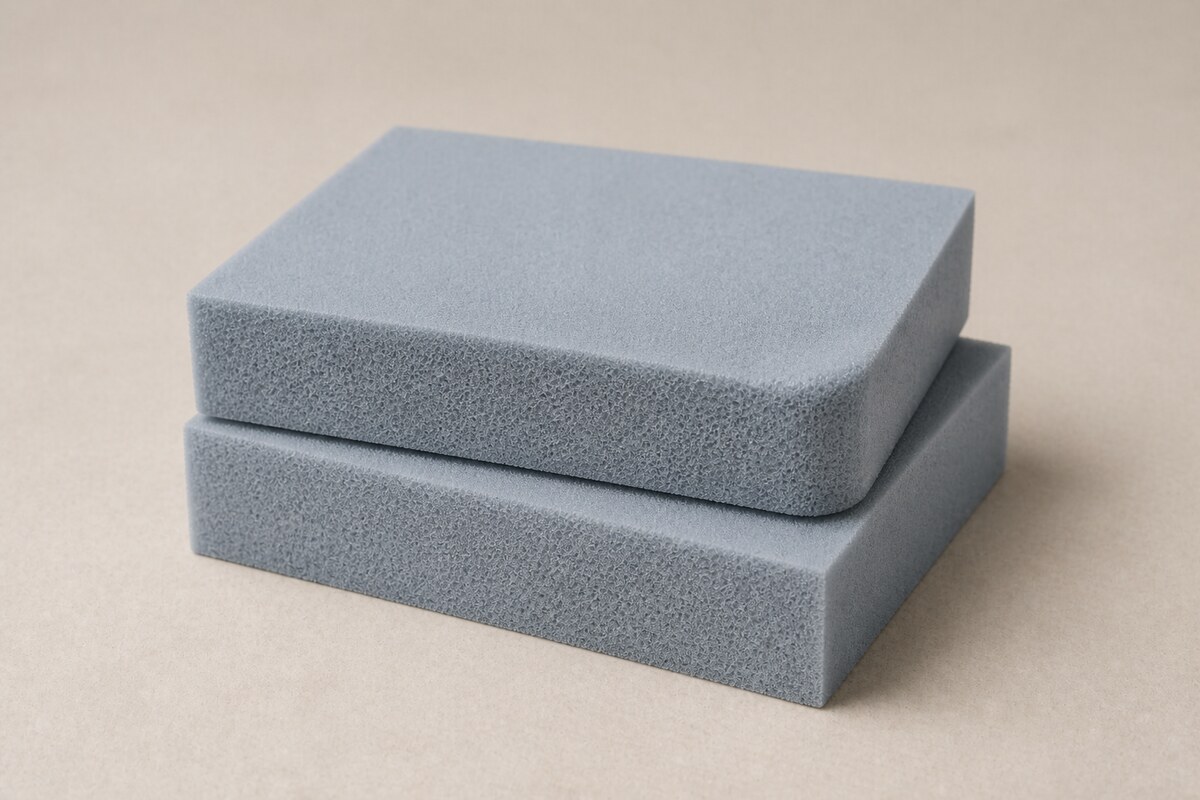
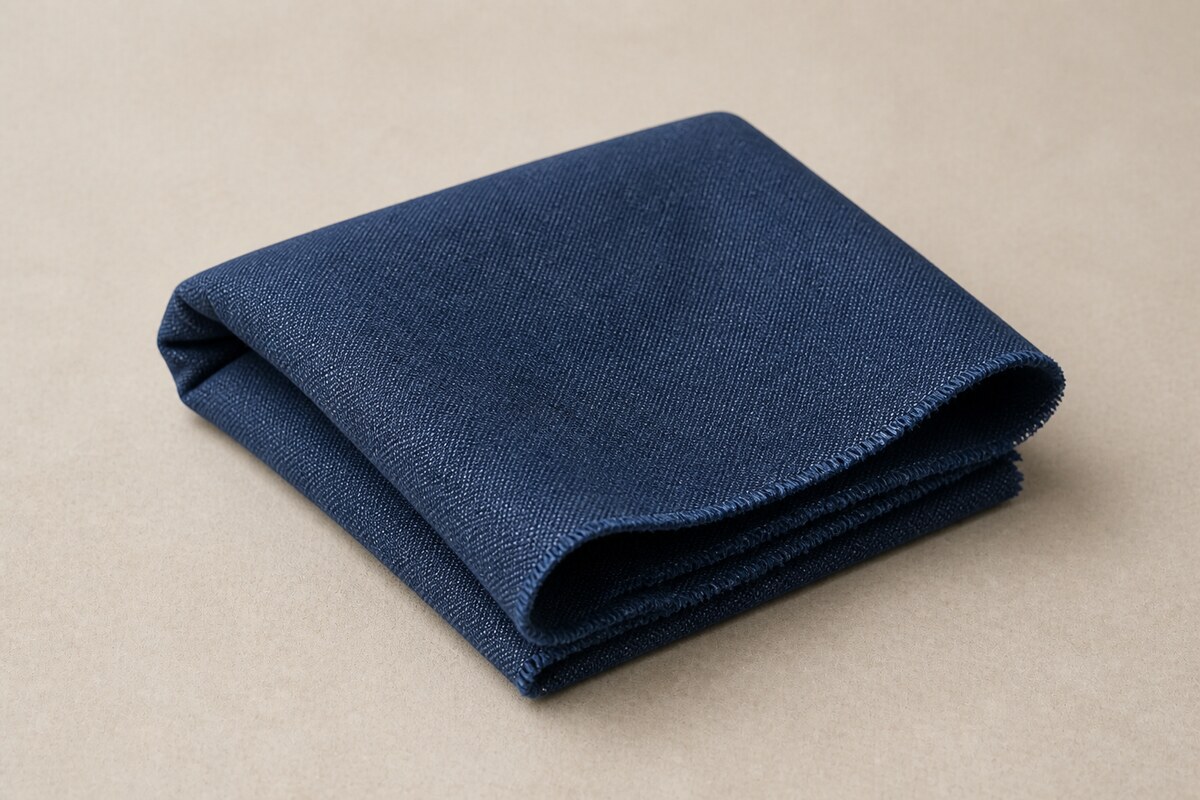
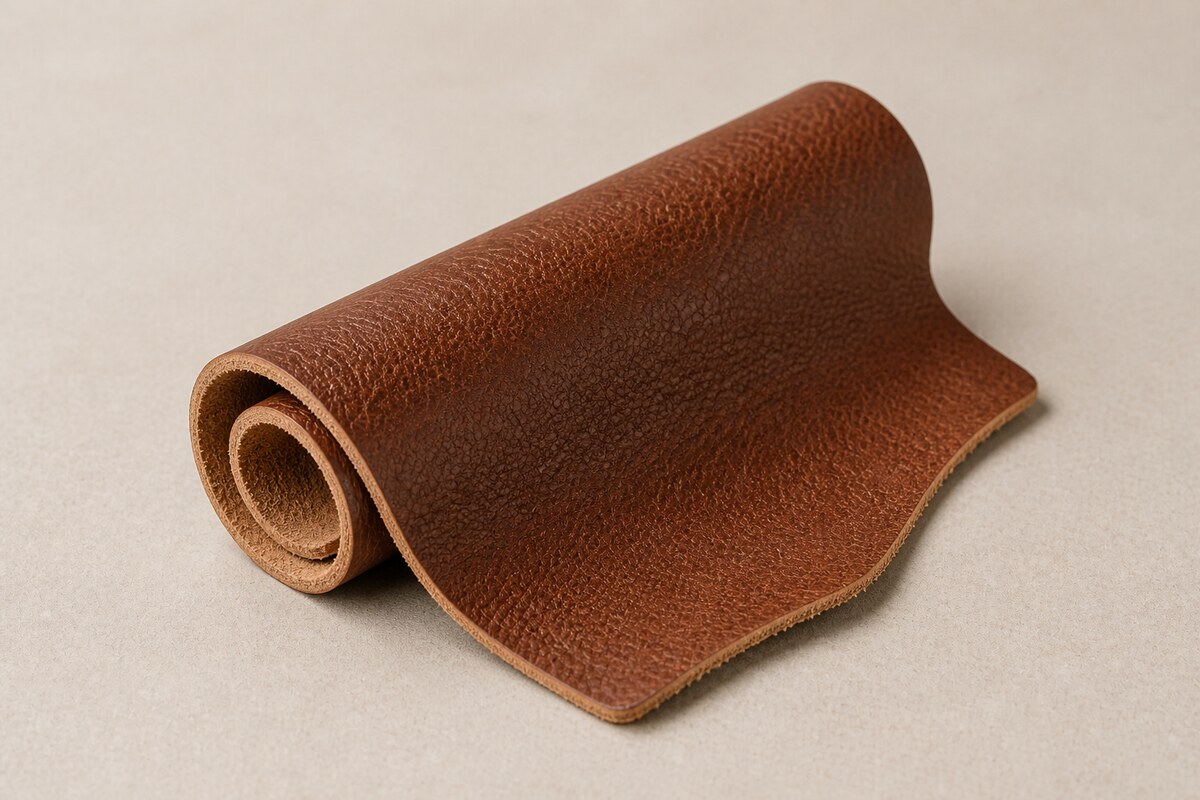
An aerosol that lays an even film across large, light areas — fabric, foam, paper, craft work. Foam-safe versions leave out the solvents that dissolve polystyrene.
Best for
Where it works best
Doesn’t hold on
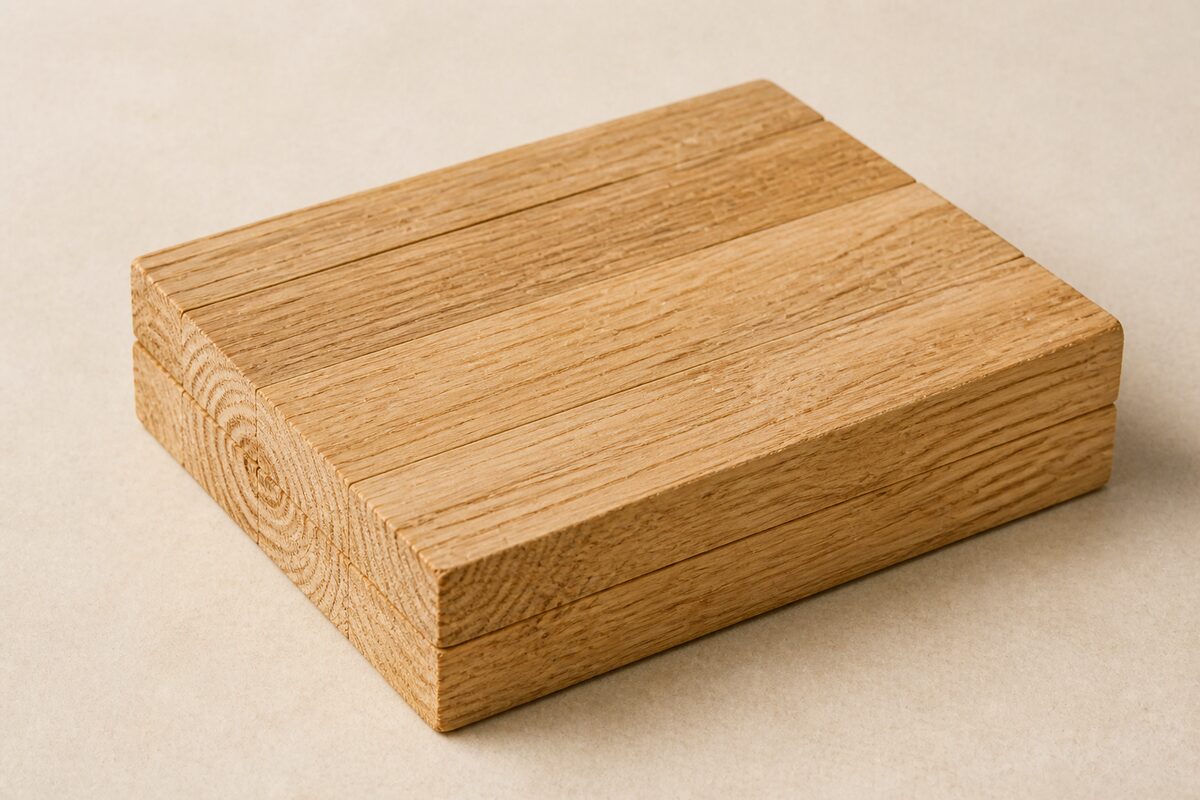
Wood, Metal, Plastic, Glass, Ceramic, Rubber, Concrete & stone, Polypropylene (PP)
Wrong toolAnything structural or repeatedly wet — this is a laminating adhesive, not a joint.
Using it
What actually matters
- 01Mask everything nearby; overspray travels much further than it looks.
- 02Two light passes at right angles beat one heavy one.
- 03Check the can actually says foam-safe before spraying polystyrene.
- 04Press the whole surface down evenly — spray adhesive bonds where you press it.
Questions
Common questions
- How do I know whether a spray adhesive is safe for foam?
- The can must name the exact foam or say that it is foam-safe. A generic claim that the spray bonds many materials is not enough, because some solvents dissolve polystyrene even though they work on other foams.
- Is spray adhesive repositionable or permanent?
- That depends on the formula and on when the surfaces are joined. Follow the can's bonding instructions: a repositionable mounting spray and a permanent laminating spray can look almost identical on the shelf.
- How do I stop spray adhesive from coating everything nearby?
- Mask well beyond the workpiece, move loose objects away, and spray toward a disposable backing. Several light, controlled passes are easier to contain than one heavy cloud.
- Why did a spray-mounted sheet develop bubbles or lumps?
- The coat was uneven, too wet, or not pressed down across the whole area. Spray a consistent film, respect the product's tack stage, then smooth from the center outward so trapped air has an exit.