More material pairs
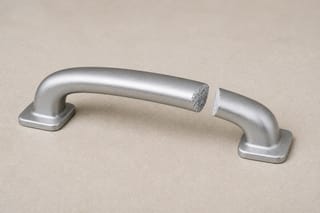
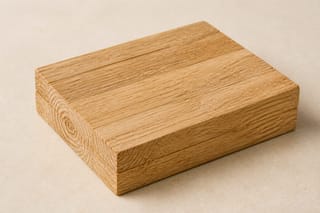
Material pair
How to Glue Metal to Wood
Use polyurethane glue for most metal-to-wood (or wood-to-metal) joints — it grips both surfaces and fills small gaps. Switch to 2-part epoxy when the joint is rigid and load-bearing, such as furniture rails or brackets.
Best Adhesive for Metal to Wood
Waterproof, and grips both porous wood and smooth metal while filling small gaps.
Reviewed and adjusted by an editor.
Why Polyurethane glue Works
- Smooth, dense, and non-porous — the glue sits entirely on the surface, so scuffing and degreasing matter more than which glue you pick.
- Porous and slightly forgiving — glue soaks in, and a well-glued joint ends up stronger than the wood around it. Oily hardwoods like teak need a solvent wipe first.
- Waterproof and more forgiving of movement than epoxy, but it has no pores to foam into on this side — scuff the metal and clamp the joint.
- Waterproof, and it foams into the grain rather than just drying on it — but the expansion pushes the joint apart unless it is properly clamped.
Conditions
When to Use 2-part epoxy Instead
For a rigid, high-strength joint (furniture rails, brackets), switch to 2-part epoxy. Stay with polyurethane if the wood will move with humidity.
Alternatives
Other Adhesives That Work
It bonds to surfaces wood glue cannot, and fills a gap instead of shrinking into one — the reason to reach past PVA on a loose joint or a mixed-material one.
Better when: Load-bearing / shear
Products
Products for Bonding Metal to Wood
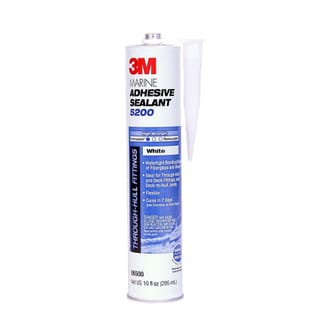
- 3M Marine Adhesive Sealant 5200Permanent, high-strength structural bonding and sealing above and below the waterline — the marine benchmark for thru-hull fittings, hull-to-deck joints, and RV repairs.
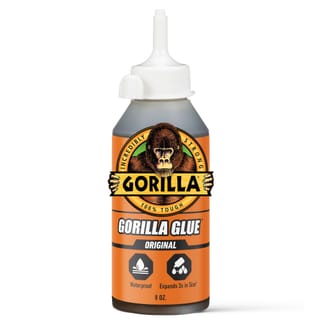
- Gorilla Glue OriginalMixed-material repairs — wood to metal, stone to ceramic — especially outdoors.
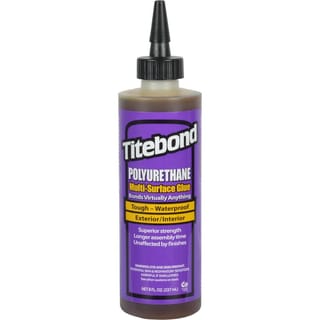
- Titebond Polyurethane Liquid GlueHeavy-duty waterproof bonding across porous and non-porous materials (wood, stone, metal, ceramic, fiberglass) — passes ANSI/HPVA Type I & II waterproof ratings with 100 % sandable, paintable finish and fast 45-minute clamping time.
Questions
Common Questions About Gluing Metal to Wood
- Can you glue metal to wood?
- Yes, if you prepare both faces and use an adhesive that grips porous wood and smooth metal. The recommendation on this page is the usual starting point; a rigid, loaded joint is the main reason to switch.
- Should I use epoxy to glue metal to wood?
- Use 2-part epoxy for a prepared, close-fitting joint that carries load in shear — furniture rails, brackets, anything structural. Stay with polyurethane if the wood will move with humidity. Add mechanical fasteners whenever failure could cause harm.
- Does wood glue work on metal?
- Ordinary wood glue needs to soak into fibers. Metal has none, so the bond peels off the metal face. Use a family that grips both sides, and still scuff and degrease the metal.
- Does humidity affect a metal-to-wood glue joint?
- Wood changes dimension as its moisture content changes, while metal moves differently. A more forgiving polyurethane bond can accommodate that mismatch better than a long rigid glue line.