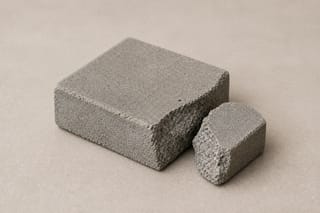
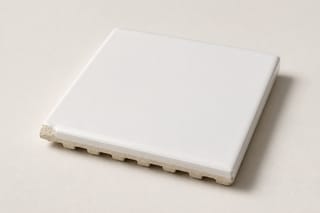
Material pair
How to Glue Concrete & stone to Tile
Use heavy-duty construction adhesive for bonding loose ceramic, porcelain, or quarry tiles to concrete floors and steps. For wet or outdoor areas, use polyurethane construction adhesive.
Best Adhesive for Concrete & stone to Tile
Heavy-duty construction adhesive
Bridges uneven concrete texture, grabs tile immediately, and cures into a rigid high-load bed.
Extra prep
- Scrape old mastic off the tile back and the wall until both are sound, dry, and free of dust. A crumbling wall is a masonry repair first.
Reviewed and adjusted by an editor.
Why Heavy-duty construction adhesive Works
- Very porous with an uneven face — it drinks thin glues, so you want a thick, gap-filling adhesive. Dust is the enemy: brush and vacuum first.
- Two jobs that look the same and are not. Setting a tile back onto a wall wants a thick construction adhesive on the biscuit; mending a broken tile is the same clean-break problem as any other ceramic and still wants epoxy. Floor tile and wet areas are laid in thinset mortar, which is not a household adhesive — do not treat a cartridge as a substitute for a bed of mortar underfoot. Silicone seals grout and wet edges; it does not set a tile that has to stay put.
- Thick and gap-filling — made for rough, porous surfaces.
- A thick bead on the ridged back spans the gap between biscuit and wall, which is how a loose wall tile goes back on. It is a repair, not a mortar bed — floor tile and wet areas still want thinset.
- Scrape old mastic off the tile back and the wall until both are sound, dry, and free of dust. A crumbling wall is a masonry repair first.
Preparation
How to Prepare Concrete & stone and Tile for Gluing
Sweep away loose dust, degrease oil spots with cleaner, and ensure concrete is cured and dry.
Wipe the back of the tile clean of mold-release dust and mortar residue.
Conditions
When to Use Polyurethane construction adhesive Instead
For outdoor patios or steps exposed to rain and freeze-thaw cycles, switch to exterior-rated polyurethane construction adhesive or structural epoxy. For dry interior floors, standard heavy-duty construction adhesive provides fast grab.
Alternatives
Other Adhesives That Work
Polyurethane construction adhesive
Survives outdoor moisture, freeze-thaw cycles, and heavy foot traffic without softening.
Better when: Outdoor exposure, Water immersion
High shear and compressive strength for high-impact commercial tile repair on concrete.
Better when: Load-bearing / shear
Products
Products for Bonding Concrete & stone to Tile
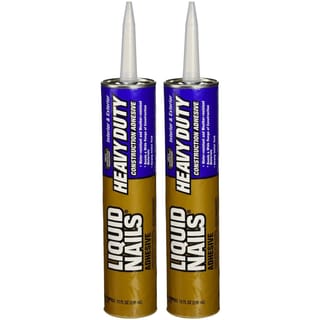
- Liquid Nails Heavy DutyTrim, paneling, and small masonry jobs — anything you'd run a bead along.
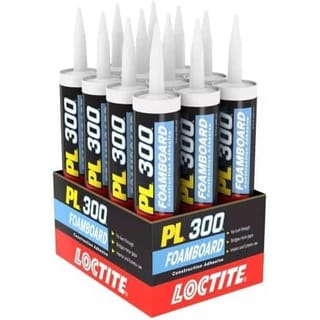
- Loctite PL 300 Foamboard AdhesiveBonding unfaced foam insulation to porous wood, drywall, concrete, or brick without burning through the foam.
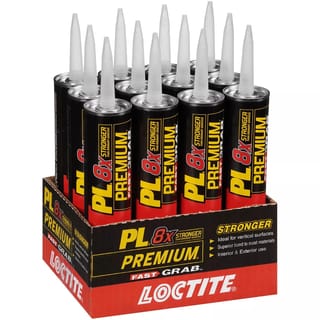
- Loctite PL Premium Polyurethane Construction AdhesiveHeavy-duty structural bonding on subfloors, framing, stairs, concrete, brick, stone, and metal — the 100 % polyurethane formula provides 3x the strength of traditional adhesives and cures in all weather conditions.
Questions
Common Questions About Gluing Concrete & stone to Tile
- Can you glue individual tiles directly to concrete without thinset mortar?
- Yes. For repairing one or several loose tiles on concrete, heavy-duty polyurethane or synthetic rubber construction adhesive is much faster and cleaner than mixing a batch of cement mortar.
- What is the best adhesive for exterior patio tiles on concrete?
- Use an exterior-grade polyurethane construction adhesive (like Loctite PL Premium) or a 2-part epoxy. Standard interior PVA or acrylic mastics will break down when moisture enters under the tiles.
- How should old mortar be prepared before re-gluing a loose tile to concrete?
- Chisel off any loose, crumbling old mortar bedding until you reach a solid concrete surface. Vacuum all grit away thoroughly, as adhesive applied over loose dust will debond.
- How long should I wait before walking on a re-glued tile?
- Allow at least 24 hours for construction adhesive to cure before subjecting the tile to full foot traffic. Grout can be replaced once the adhesive achieves firm initial set (typically after 12 to 24 hours).