Adhesive guidance for home repair & DIY
What are you bonding?
Start with the material in front of you. Each material guide shows which glues work, which to skip, and what it bonds to.
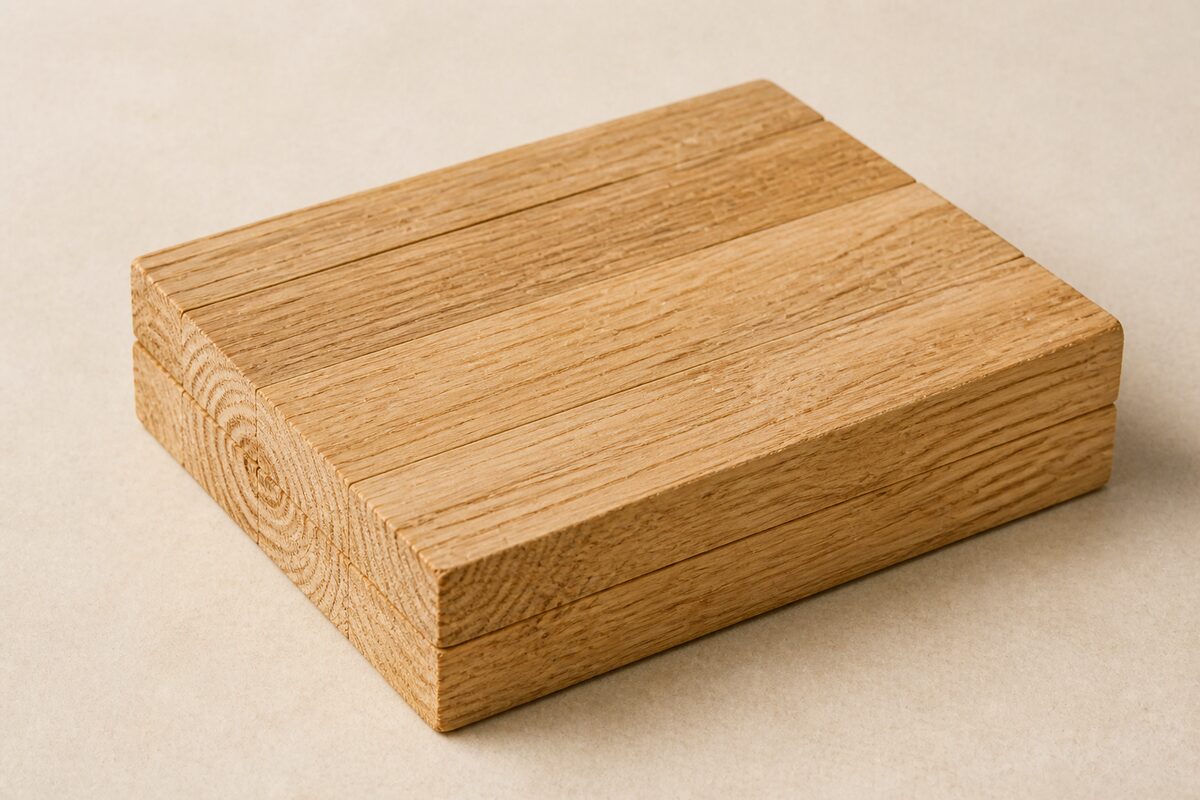
- WoodPine, oak, plywood, MDF
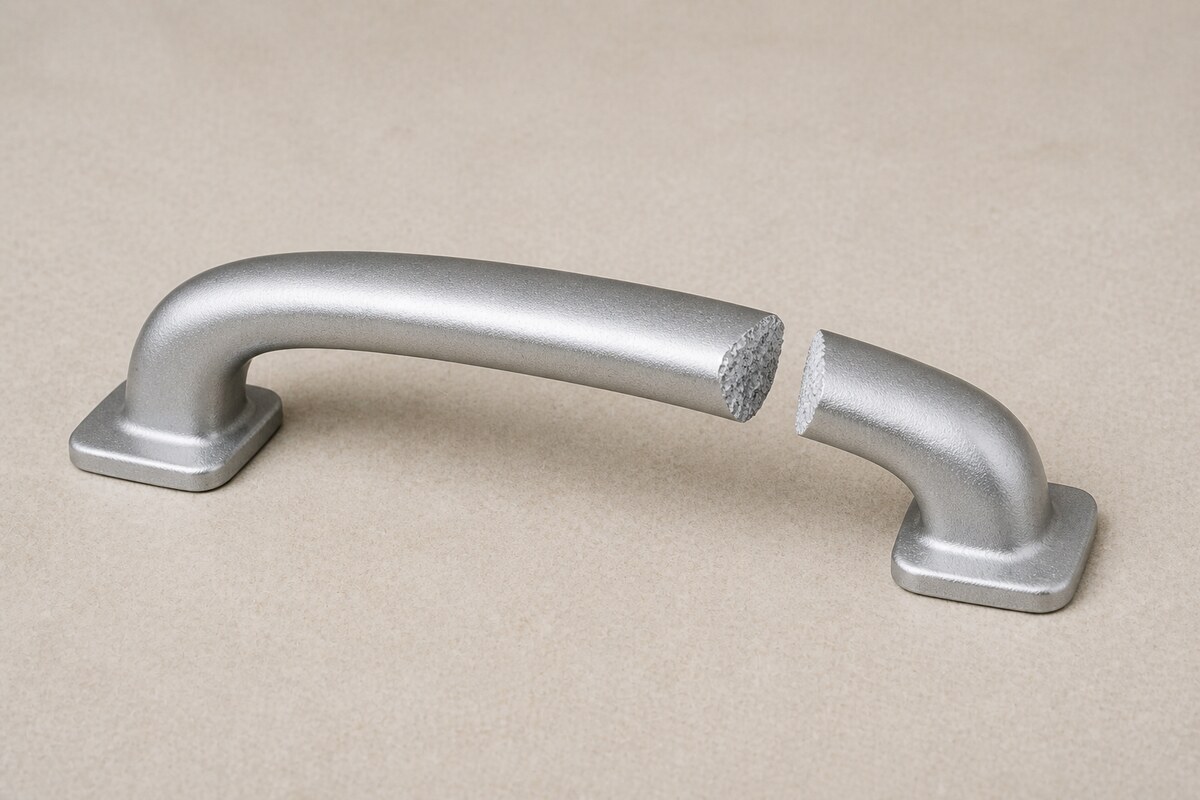
- MetalSteel, aluminum, brass, copper
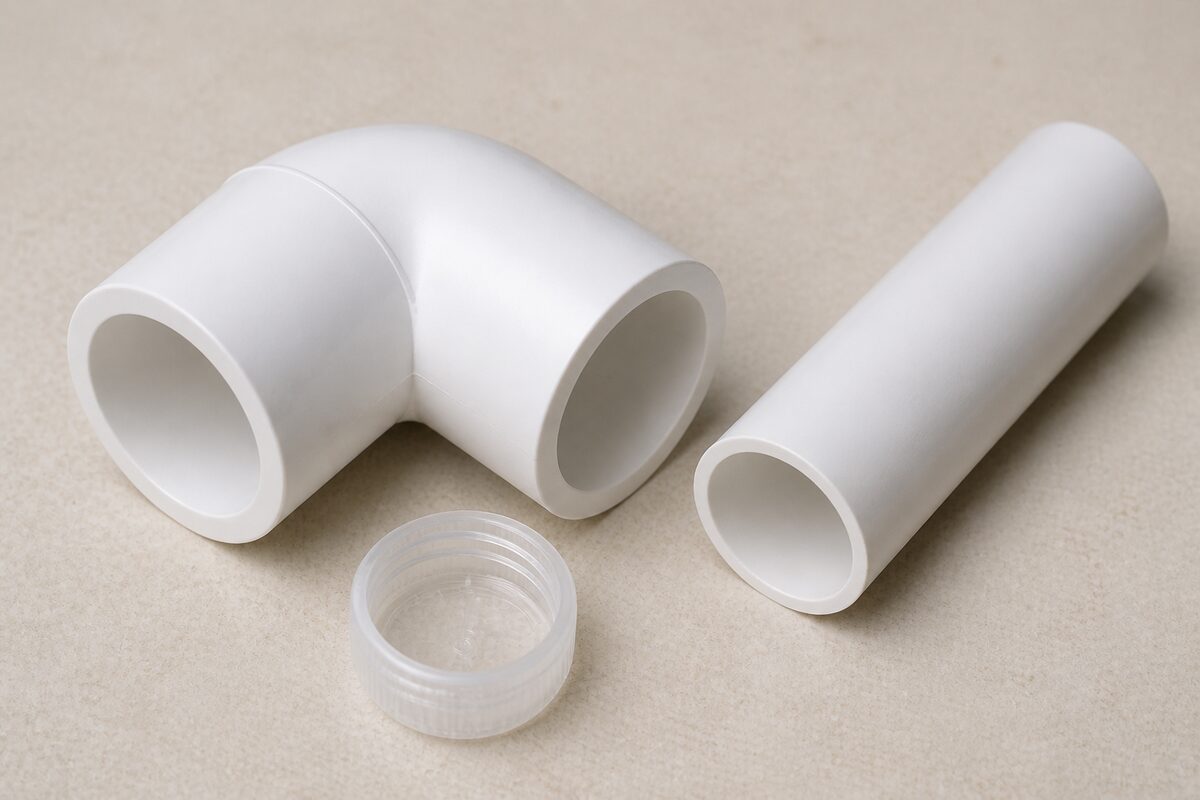
- PlasticPVC, ABS, acrylic, polypropylene
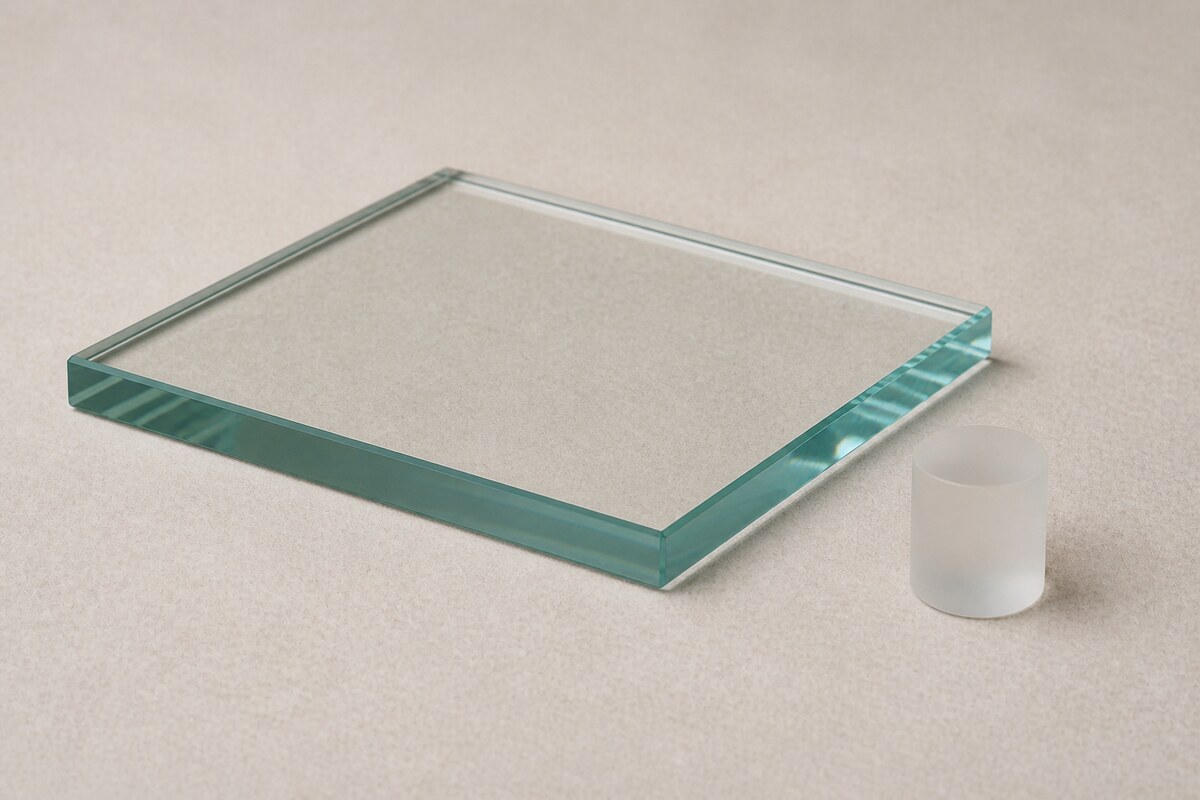
- GlassWindow glass, jars, mirrors
- CeramicMugs, plates, tile, porcelain
- FabricCanvas, denim, upholstery
- RubberSoles, seals, hoses, grips
- Concrete & stoneBrick, block, pavers, slate
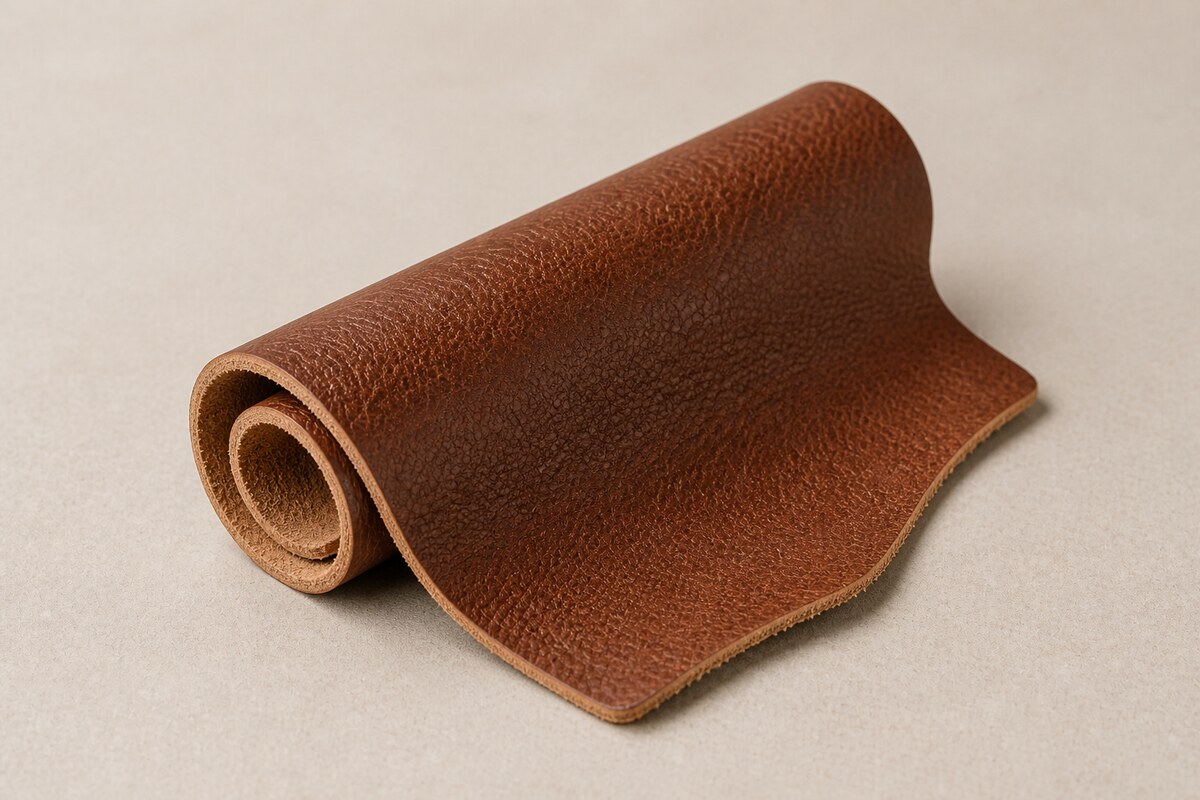
- LeatherBelts, shoes, furniture
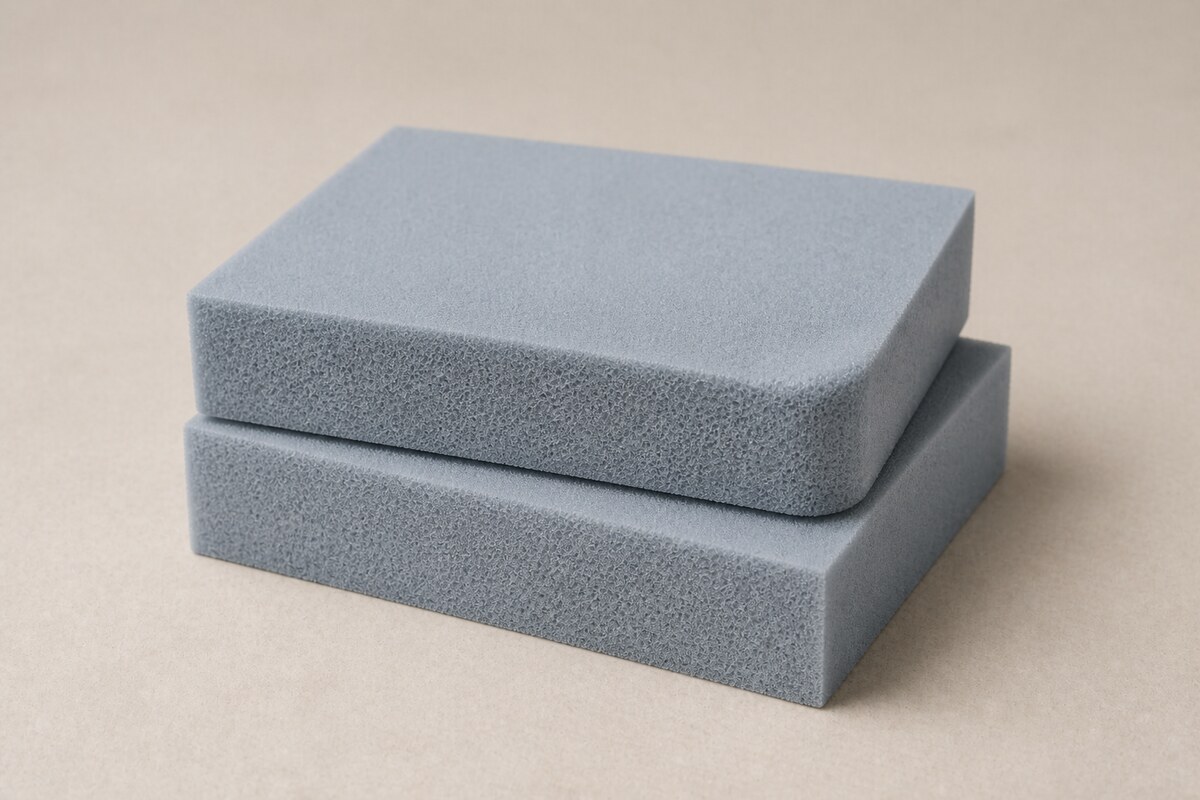
- FoamCushions, insulation, craft foam
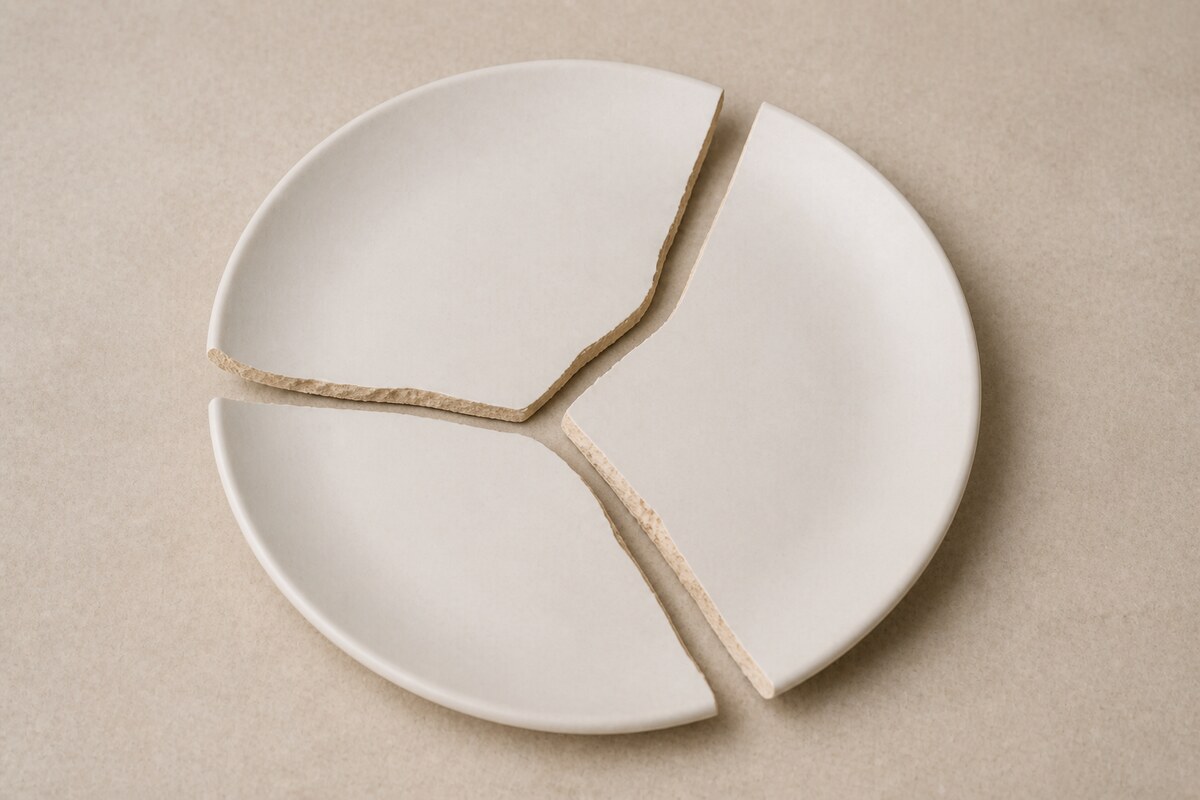
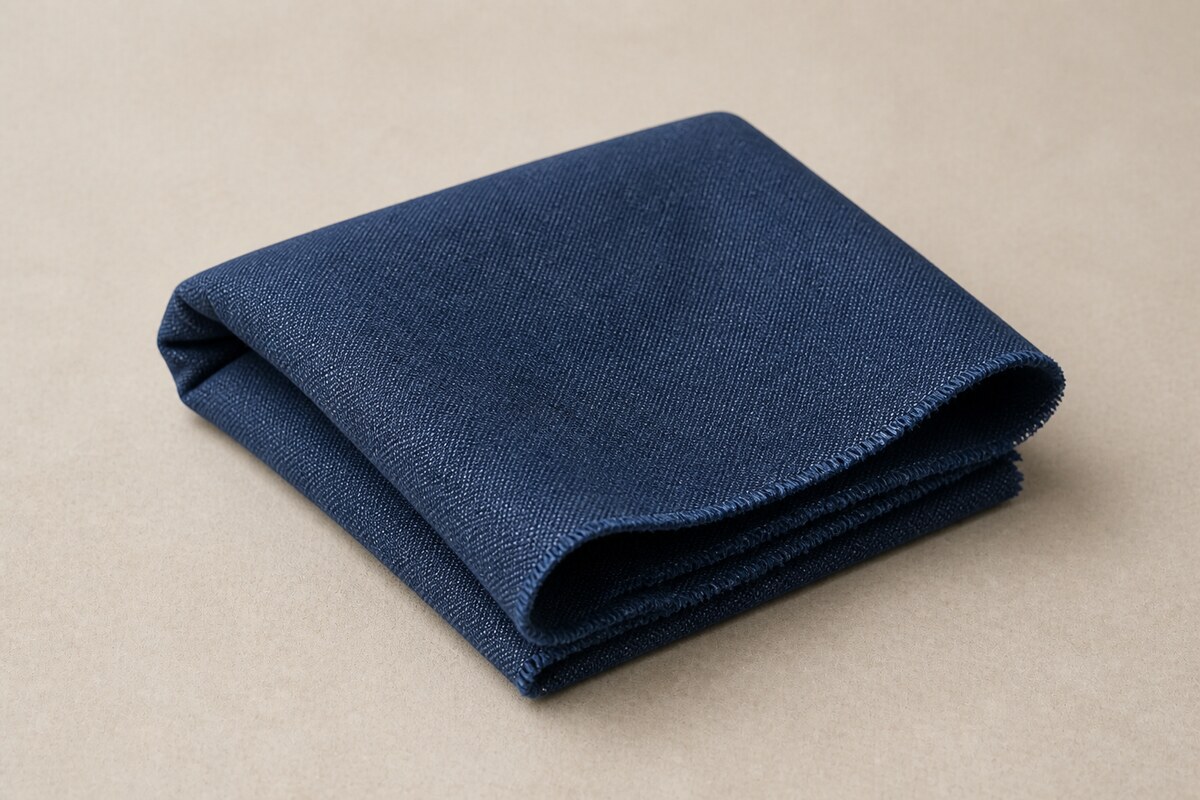
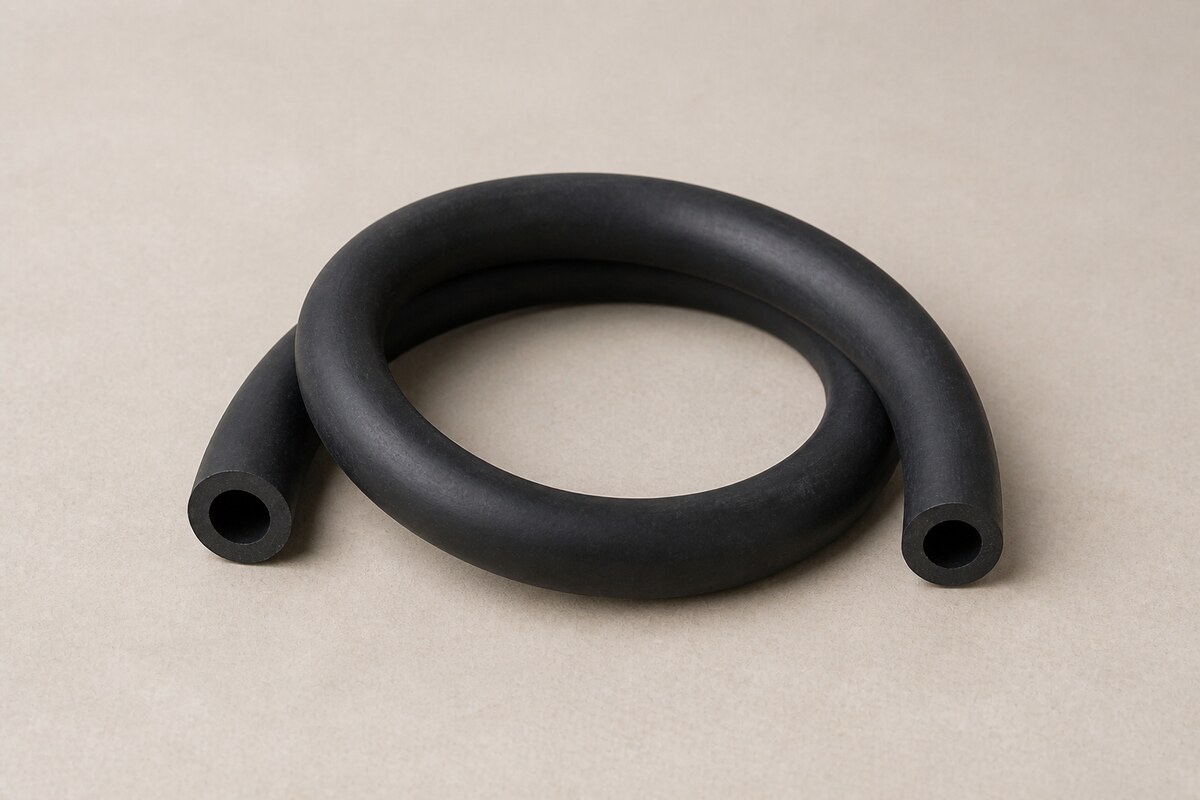
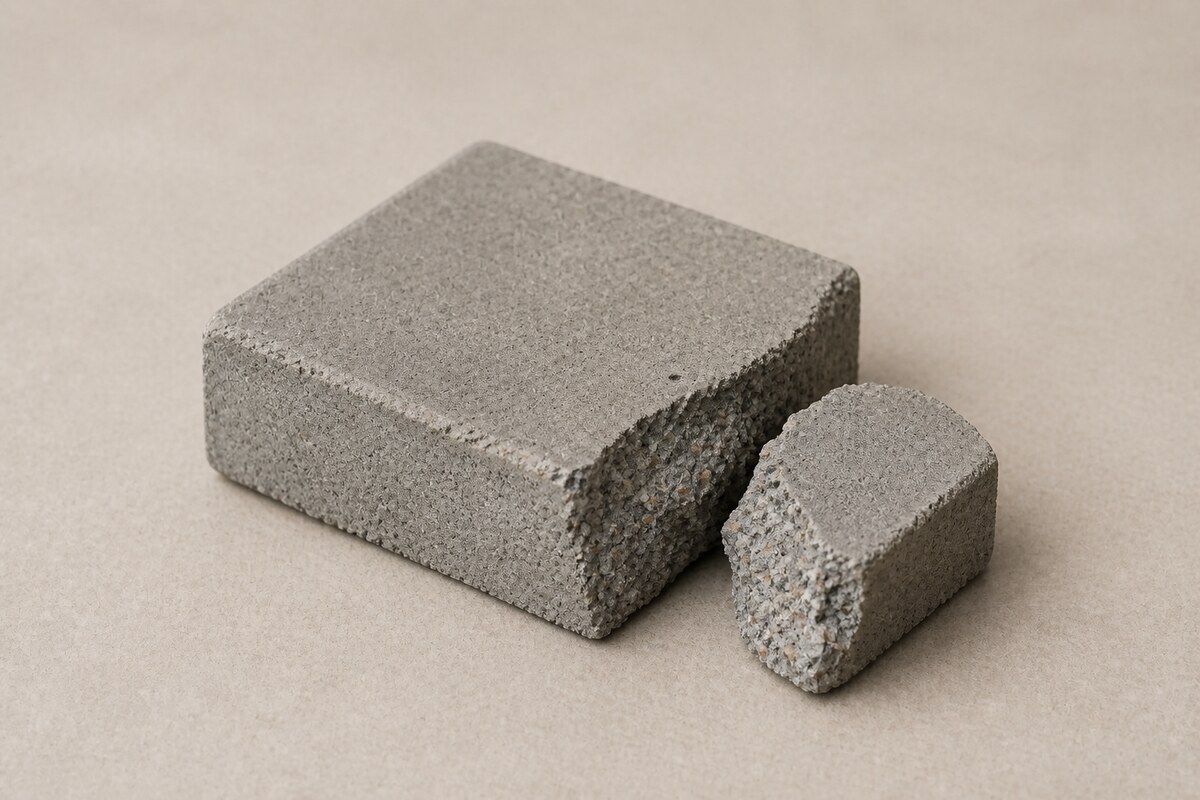
Material pairs
Common two-material bonds
Some jobs really are about joining two different materials. The answer comes first here — each pair page explains when conditions change the pick.
- Metal to WoodWaterproof, and grips both porous wood and smooth metal while filling small gaps.Best betPolyurethane glue
- Ceramic to GlassCures clear, rigid, and waterproof — right for joins that never flex.Best bet2-part epoxy
- Metal to PlasticWets out both surfaces. Scuff smooth plastic first so the glue can grab.Best bet2-part epoxy
- Fabric to LeatherStays soft once cured, so the seam can still bend and fold.Best betFlexible fabric adhesive
- Metal to RubberGrabs rubber to metal in seconds on small, tight-fitting parts.Best betSuper glue (CA)
- Glass to MetalThe standard for glass shelves and metal brackets — rigid and clear-curing.Best bet2-part epoxy (clear)
Don’t see your pair? Start from either material above — its guide lists what it bonds to.
Projects
Common repair projects
The answer comes first here. Conditions like outdoor use, flexing, or wide gaps can change the pick — each project page explains when.
- Fix a broken ceramic mugWaterproof once cured and fills the small gaps in a clean break.Best bet2-part epoxy
- Reattach a shoe soleStays flexible and waterproof through bending and wet pavement.Best betPolyurethane shoe adhesive
- Tighten a loose chair legA re-glued joint ends up stronger than the wood around it.Best betWood glue (PVA)
- Install baseboard trimGrabs fast and fills the gaps behind trim on uneven walls.Best betConstruction adhesive
- Repair a cracked plastic binFormulated to wet out hard plastics that ordinary glues bead off.Best bet2-part plastic epoxy
- Mend a torn backpack strapBonds webbing and canvas while staying soft enough to fold.Best betFlexible fabric adhesive
- Repair an outdoor wood planterThe waterproof Type I formula survives constant soil moisture — interior PVA would let go.Best betTitebond III (waterproof PVA)
Glue types
Know your glue types
Every recommendation here starts from the glue family, not the brand. Learn the six families and most choices make themselves.
- EpoxyTwo parts mixed together. The strongest, most gap-tolerant choice for rigid materials like metal, ceramic, and glass.Gap fillingFlexibilityWater resistance
- Super glue (CA)Cyanoacrylate. Bonds in seconds on small, tight-fitting parts — but brittle, and poor across gaps.Gap fillingFlexibilityWater resistance
- Wood glue (PVA)The default for wood-to-wood. A cured PVA joint is stronger than the wood itself.Gap fillingFlexibilityWater resistance
- PolyurethaneWaterproof and multi-material. Expands as it cures, so use a light touch and clamp well.Gap fillingFlexibilityWater resistance
- Construction adhesiveHeavy-duty cartridges for walls, trim, paneling, and subfloor. Grabs fast and fills uneven surfaces.Gap fillingFlexibilityWater resistance
- SiliconeStays flexible and waterproof for decades. Seals glass, tubs, and sinks rather than bearing loads.Gap fillingFlexibilityWater resistance
How this guide works
Why you can trust this guide
- 01
Answer first
The recommendation comes before the explanation. You’re here to fix something, not to study chemistry.
- 02
Conditions change the answer
Outdoor exposure, flexing, and gap size all change the right pick. We ask about conditions before recommending.
- 03
Specs from the source
Cure times, temperature limits, and strength figures trace back to manufacturer data sheets — never invented.