All glue types
Glue type
Contact cement
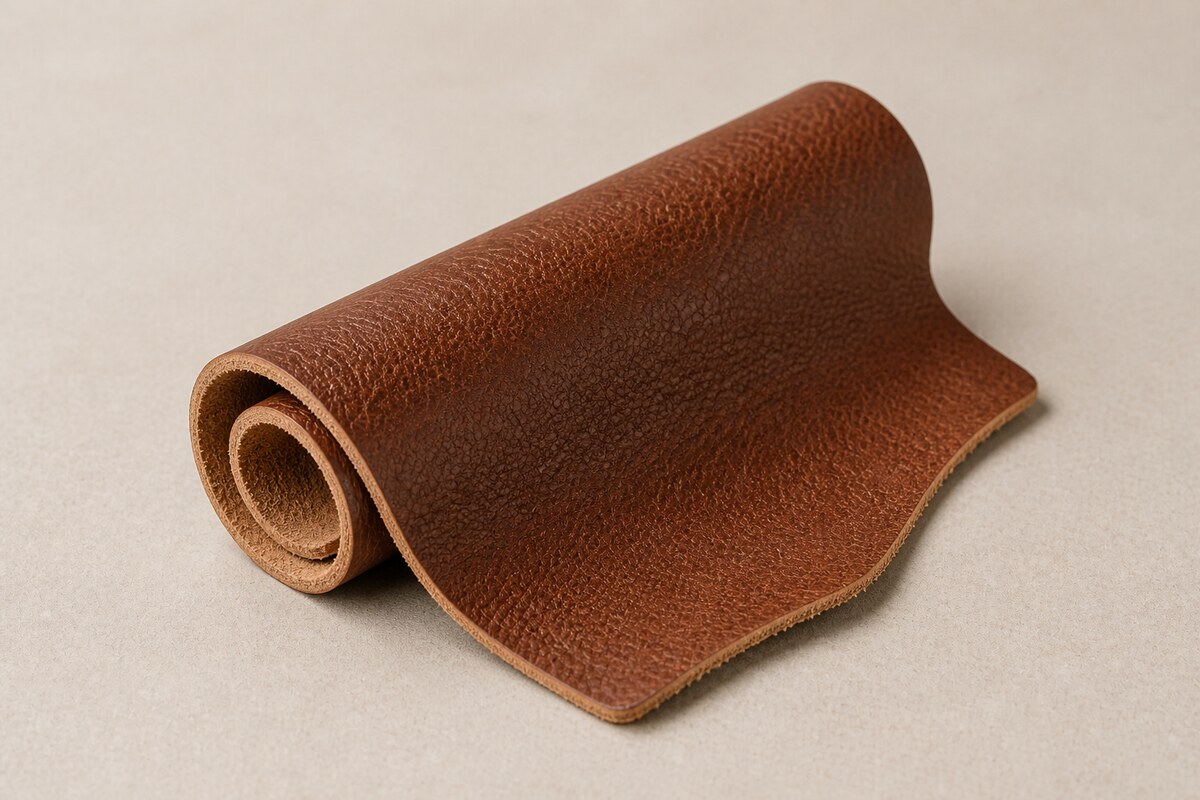
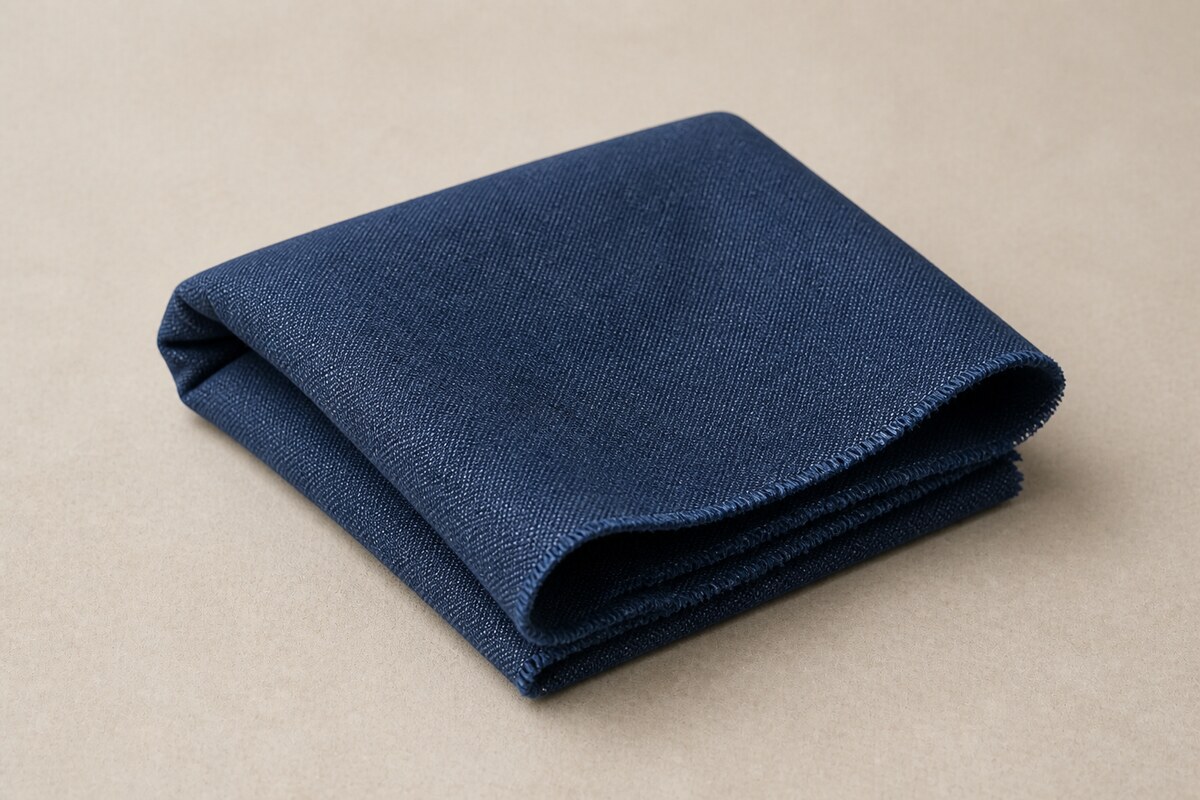
Brushed onto both faces, left to go tacky, then pressed together — it grabs on contact and stays slightly flexible. The traditional choice for leather, laminate, and shoe soles.
Best for
Where it works best
Doesn’t hold on
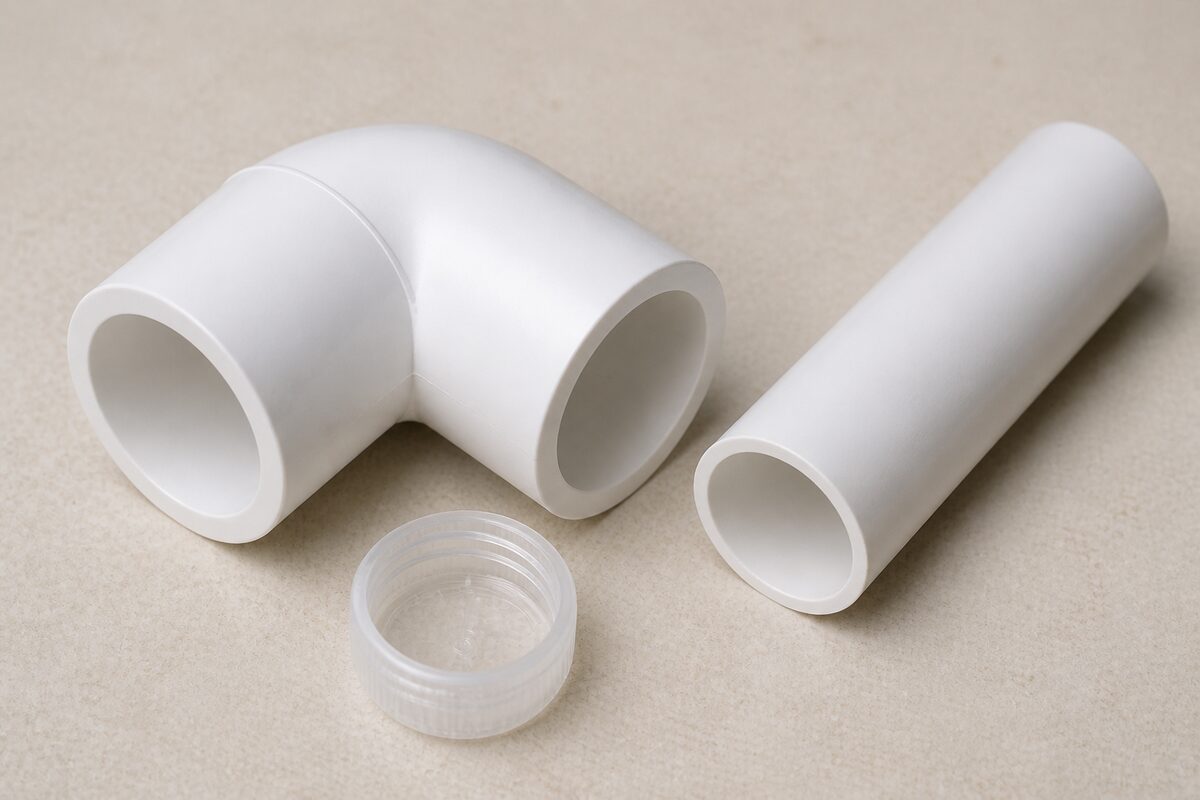
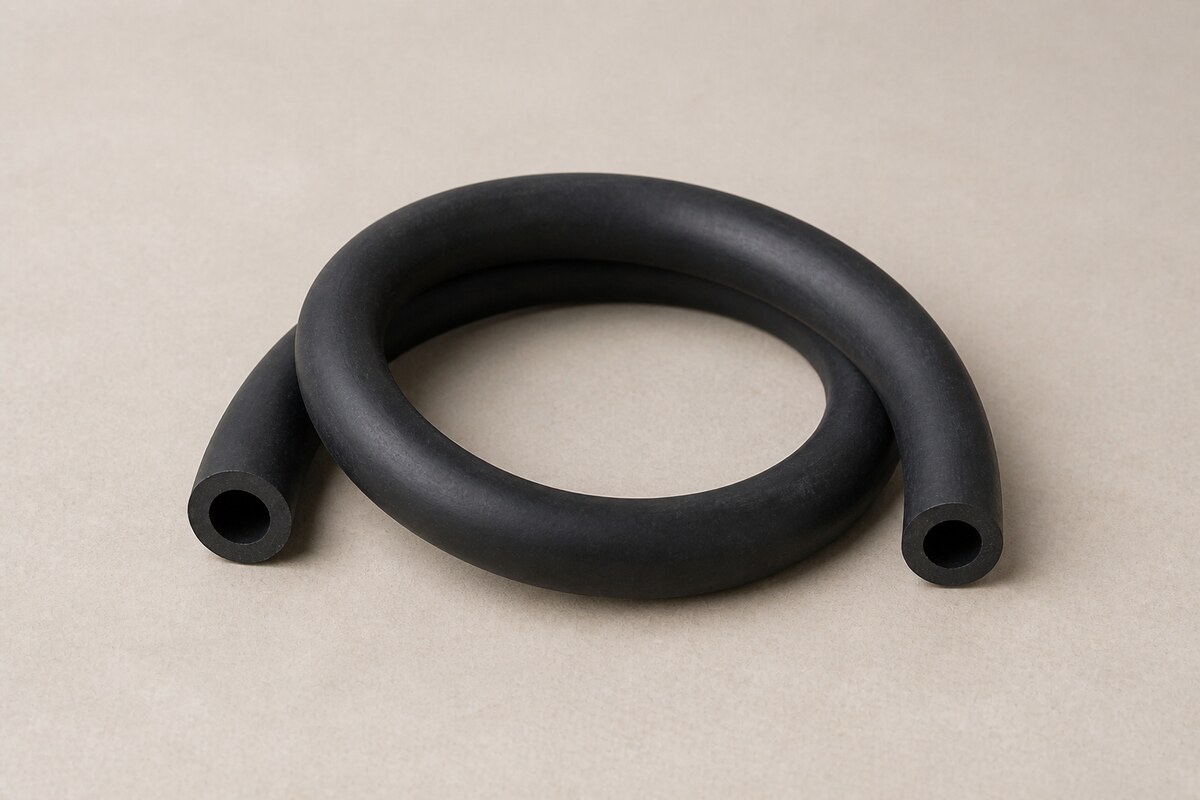
Glass, Ceramic, Concrete & stone, Foam, ABS plastic, Polypropylene (PP)
Wrong toolStructural joints and foam — it peels under steady load, and its solvents melt polystyrene on contact.
Using it
What actually matters
- 01Coat both surfaces thinly and let them dry until tacky — this is not a wet glue.
- 02You get one shot: the parts grab where they first touch, so line them up before contact.
- 03Press hard over the whole area; a roller beats hand pressure.
- 04Work in moving air — the solvent smell is the solvent doing the work.
Questions
Common questions
- Why do both sides of contact cement have to dry before joining?
- Contact cement develops its grab after the carrier has mostly left the coated surfaces. Joining while it is still wet traps the carrier and produces a weak, sliding bond instead of an immediate contact bond.
- Can contact cement be repositioned after the surfaces touch?
- Usually no. Use spacers or dowels to keep large sheets apart while aligning them, then remove the spacers gradually and press from one edge across the surface.
- Does contact cement need clamps?
- It needs firm pressure across the whole bonded area more than prolonged clamping. A roller presses out air and brings every coated patch into contact; missed areas can later become bubbles or blisters.
- Can contact cement be used on polystyrene foam?
- Many traditional solvent-based formulas attack polystyrene. Use a product that explicitly names that foam as compatible, or choose a water-based or foam-specific adhesive and test a scrap first.