Material
How to Glue Polyethylene (PE / HDPE / LDPE)
Use Plastic bonding system (primer + CA) for most polyethylene (pe / hdpe / ldpe) jobs. A specialized heptane-based activator pen treats PE's waxy surface so cyanoacrylate can grip; untreated PE sheds glue completely.
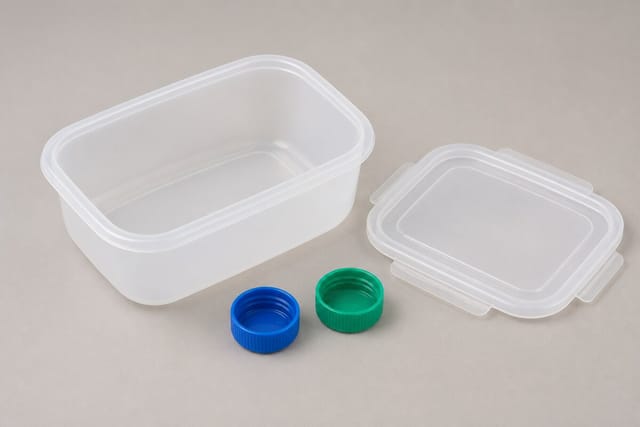
Cutting boards, milk jugs, trash cans, kayak hulls, playground slides, plastic storage bins, fuel containers
Best Glue for Polyethylene (PE / HDPE / LDPE)
Plastic bonding system (primer + CA)
A specialized heptane-based activator pen treats PE's waxy surface so cyanoacrylate can grip; untreated PE sheds glue completely.
Extra prep
- Clean surface thoroughly with alcohol, coat both sides with the system's primer pen, wait 60 seconds, then apply cyanoacrylate.
Not for: Outdoor exposure, Gap or poor fit
Derived from our material compatibility data.
Identify
How to Identify Polyethylene (PE / HDPE / LDPE) Before Gluing
Waxy, slippery feel that resists fingernail scratches. Floating in water (density < 1.0 g/cm³), and stamped with recycling code 2 (HDPE) or 4 (LDPE). When cut, it curls into smooth shavings without snapping.
Character
How Polyethylene (PE / HDPE / LDPE) Behaves When Glued
The most widely used and notoriously difficult-to-glue plastic. Polyethylene's non-polar, waxy, low-energy surface causes ordinary glues (epoxy, polyurethane, PVA, super glue) to bead up and peel off in sheets. It requires a dedicated polyolefin primer system, specialized structural acrylic, or hot-air plastic welding.
Properties
Why Plastic bonding system (primer + CA) Works on Polyethylene (PE / HDPE / LDPE)
Why this answer
- The most widely used and notoriously difficult-to-glue plastic. Polyethylene's non-polar, waxy, low-energy surface causes ordinary glues (epoxy, polyurethane, PVA, super glue) to bead up and peel off in sheets. It requires a dedicated polyolefin primer system, specialized structural acrylic, or hot-air plastic welding.
- A specialized heptane-based activator pen treats PE's waxy surface so cyanoacrylate can grip; untreated PE sheds glue completely.
- Clean surface thoroughly with alcohol, coat both sides with the system's primer pen, wait 60 seconds, then apply cyanoacrylate.
- PorosityNon-porous
- How much adhesive can soak in.
- Surface energyLow
- Low surface energy sheds ordinary glue.
- StiffnessSemi-rigid
- Whether the joint has to bend with the part.
- Heat sensitivityMedium
- How the material itself handles heat.
- Solvent sensitivityLow
- Whether solvent-based glues attack it.
Compatibility
Which Glues Work on Polyethylene (PE / HDPE / LDPE)
Also works, with conditions
- Plastic bonding system (primer + CA)Special prep required
A specialized heptane-based activator pen treats PE's waxy surface so cyanoacrylate can grip; untreated PE sheds glue completely.
Extra prep: Clean surface thoroughly with alcohol, coat both sides with the system's primer pen, wait 60 seconds, then apply cyanoacrylate.
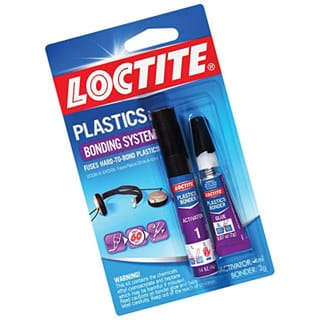
Needs a specific product:Loctite Plastics Bonding System
9 families don’t hold
- 2-part epoxyDoesn’t hold
Standard 2-part epoxy beads up on polyethylene's low-energy surface and pops off with a fingernail.
- Wood glue (PVA)Doesn’t hold
PVA wood glue requires porous cellulose fibers to soak into; polyethylene is completely non-porous and hydrophobic.
- SiliconeDoesn’t hold
Silicone creates a temporary watertight gasket against PE, but forms zero chemical adhesion and peels off in a continuous rubber strip.
- Construction adhesiveDoesn’t hold
Heavy-duty construction adhesive releases completely from polyolefins as soon as mechanical shear is applied.
- Contact cementDoesn’t hold
Contact cement requires solvent bite or microscopic roughness, which the chemical-resistant polyethylene wax layer prevents.
- PolyurethaneDoesn’t hold
Polyurethane glue relies on mechanical anchoring in pores; smooth PE provides no texture for polyurethane foam to hold.
- Spray adhesiveDoesn’t hold
Spray adhesive lacks the surface energy compatibility to grip PE, sliding off under zero load.
- Flexible fabric adhesiveDoesn’t hold
Fabric glue cannot adhere to non-polar waxy plastics and separates immediately.
- Solvent cementDoesn’t hold
Polyethylene is immune to household solvent cements (MEK, acetone, THF); solvent simply evaporates without softening the plastic.
Products
Products for Gluing Polyethylene (PE / HDPE / LDPE)
Guides
Common Repairs with Polyethylene (PE / HDPE / LDPE)
Articles
Background on Gluing Polyethylene (PE / HDPE / LDPE)
- Why glues don't stick to smooth plastics (and what actually works)Storage bins, toys, and bottle caps shed super glue and epoxy like water off wax. Here is how to identify non-stick plastics and the two methods that hold.
- How to remove super glue from skin and household surfacesCyanoacrylate bonds to skin moisture in seconds. Never pull glued fingers apart — use warm soapy water, acetone, or oil to release the bond safely.
- Epoxy vs Super Glue: Which one should you reach for?Super glue sets in seconds for hairline cracks; 2-part epoxy bridges gaps and supports heavy weight. Here is how to pick the right one in 30 seconds.
- Clamp time vs Cure time: Why moving glued parts too early ruins repairsA joint that feels dry to the touch has only reached 10% strength. Here is how working time, clamp time, and full cure work, plus 5 household clamping hacks.
Questions
Common Questions About Gluing Polyethylene (PE / HDPE / LDPE)
- Why is polyethylene (HDPE / LDPE) so difficult to glue?
- Polyethylene has an extremely low surface energy (around 31 dynes/cm) and a non-polar wax-like chemical structure. Liquid adhesives cannot wet out or form chemical bonds on its surface, causing glues to bead up like water on a freshly waxed car.
- What is the difference between HDPE and LDPE for gluing?
- High-Density Polyethylene (HDPE, Code 2) is more rigid and crystalline (cutting boards, milk jugs), while Low-Density Polyethylene (LDPE, Code 4) is softer and more flexible (squeeze bottles, bags). Both share the same low-energy chemistry and require specialized polyolefin primers or heat welding.
- Does flame treatment help adhesives stick to polyethylene?
- Yes. Briefly passing the blue cone of a propane torch across polyethylene oxidizes the surface molecules and raises surface energy temporarily. When followed immediately by structural epoxy or acrylic adhesive, bond strength improves dramatically.
- Is plastic welding better than gluing for HDPE kayak or tank repairs?
- Yes. Hot-air plastic welding with an HDPE filler rod creates a true molecular fusion that is far stronger and more permanent on thick polyethylene than any chemical adhesive.