Guide
Reglue peeling wood veneer
Use standard PVA wood glue for flat veneer repairs where you can apply firm clamping pressure with a wooden block. If the veneer edge is curved or cannot be clamped, use contact cement instead.
This task involves: Gap or poor fit
Best Glue for This Repair
Wets porous wood fibers thoroughly, allows repositioning time, and cures stronger than the wood itself under clamp pressure.
Extra prep
- Size a cut edge with thinned glue, let it dry, then glue for real — and add a dowel or biscuit, because there is no grain for the joint to interlock with.
- On a cut edge, brush on thinned glue first and let it soak in, then glue properly — or add a dowel, biscuit, or screwed cleat and stop relying on the edge.
Not for: Water immersion
Reviewed and adjusted by an editor.
Why PVA wood glue Works Here
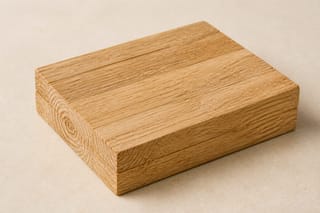
- Porous and slightly forgiving — glue soaks in, and a well-glued joint ends up stronger than the wood around it. Oily hardwoods like teak need a solvent wipe first.
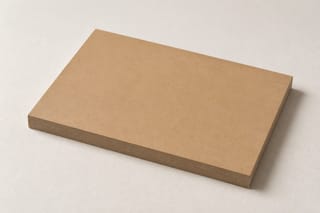
- Wood fibre and glue pressed into a board, so it takes wood glue — but the two surfaces behave nothing alike. The compressed face is smooth and takes a thin, even glue line, while a cut edge is a sponge of loose fibre that drinks the glue and swells if you flood it. There is also no grain to interlock, so a plain butt joint has nothing but surface to hold, and water is the material's real enemy: once MDF swells it never goes back.
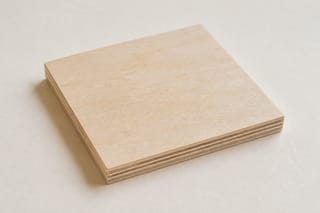
- Two different materials in one sheet. A face glues exactly like solid wood, while an edge is a row of end grain and small voids that drinks glue and gives it little to hold. Glue faces to faces where you can, and treat any edge joint as the weak one unless you size it first. Interior-grade plywood also has its own glue lines to worry about: get it wet and the sheet delaminates no matter what you used.
- It soaks into the grain and cures stronger than the wood itself.
- It grips the fibre well on a face joint. On a cut edge the board drinks the first coat and swells if you flood it, so the edge needs sizing and the joint needs mechanical help.
- On a face or a veneer it cures stronger than the plies themselves. On a sawn edge it soaks into the end grain and starves the joint, which is why an edge-glued butt joint in plywood needs help.
- Size a cut edge with thinned glue, let it dry, then glue for real — and add a dowel or biscuit, because there is no grain for the joint to interlock with.
- On a cut edge, brush on thinned glue first and let it soak in, then glue properly — or add a dowel, biscuit, or screwed cleat and stop relying on the edge.
How to do it
Reglue peeling wood veneer: Step by Step
- Gently lift the loose veneer flap and scrape out old brittle glue, dirt, and loose wood splinters with a thin putty knife.
- Spread a thin, even coat of PVA wood glue under the veneer using a palette knife, thin cardboard, or a glue syringe.
- Place a sheet of wax paper directly over the glued area to keep excess glue squeeze-out from sticking to your clamping block.
- Position a flat wooden clamping block (caul) over the wax paper and clamp firmly with C-clamps or heavy weights for at least 2–3 hours.
- Remove clamps and wax paper, carefully scrape away any dried glue squeeze-out with a cabinet scraper, and lightly hand-sand flush with 220-grit sandpaper.
Conditions
When to Use Gap-filling epoxy Instead
If the substrate under the veneer is gouged or missing chunks, use gap-filling epoxy to level the bed before gluing. Never apply direct clamp pressure onto bare veneer without a protective caul or wax paper.
Alternatives
Other Adhesives That Work
Grips instantly on contact without requiring clamps, making it ideal for curved furniture aprons and tight edges.
Bridges cavities and missing substrate beneath fragile, brittle antique veneer.
Better when: Gap or poor fit
Questions
Common Questions About This Repair
- Can I reactivate dried veneer glue with a clothes iron?
- Yes, on antique furniture assembled with traditional animal hide glue, pressing a warm clothes iron over a damp cotton cloth will soften the old glue so you can clamp it flat again. On modern PVA glues, it helps flatten warped veneer before injecting fresh glue.
- How do I fix a veneer bubble in the middle of a tabletop?
- Make a tiny razor slit along the wood grain across the blister. Insert a glue syringe needle through the slit to inject a small amount of PVA wood glue, roll flat with a wallpaper seam roller, and clamp with a flat weighted caul.
- Can I use super glue to repair loose veneer edges quickly?
- Super glue can hold tiny chipped corners in a pinch, but it soaks into the raw wood pores instantly, often staining dark spots through the veneer face and preventing wood stains from penetrating during later refinishing.
- How do I keep brittle, dried-out veneer from cracking while clamping?
- Lightly mist the top surface of the brittle veneer with warm water or apply a damp towel for a few minutes before clamping. The moisture temporarily restores flexibility to the dry wood fibers without weakening PVA glue.