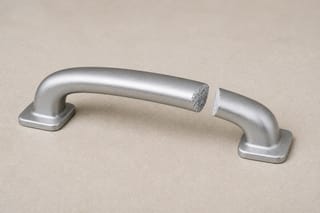
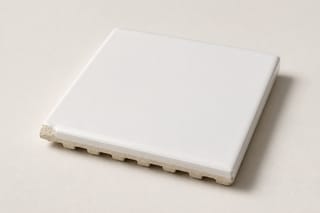
Material pair
How to Glue Metal to Tile
Use heavy-duty construction adhesive or 2-part epoxy for mounting metal fixtures to tile without drilling. In direct shower spray or standing water, switch to 100% silicone sealant to bridge joint movement and prevent leaks.
Best Adhesive for Metal to Tile
Heavy-duty construction adhesive
Thick bead fills uneven tile recesses and grips scuffed metal across wide mounting plates.
Extra prep
- Scrape old mastic off the tile back and the wall until both are sound, dry, and free of dust. A crumbling wall is a masonry repair first.
Reviewed and adjusted by an editor.
Why Heavy-duty construction adhesive Works
- Smooth, dense, and non-porous — the glue sits entirely on the surface, so scuffing and degreasing matter more than which glue you pick.
- Two jobs that look the same and are not. Setting a tile back onto a wall wants a thick construction adhesive on the biscuit; mending a broken tile is the same clean-break problem as any other ceramic and still wants epoxy. Floor tile and wet areas are laid in thinset mortar, which is not a household adhesive — do not treat a cartridge as a substitute for a bed of mortar underfoot. Silicone seals grout and wet edges; it does not set a tile that has to stay put.
- For fixing a metal panel or trim across a wide area where a thick bead spans the hollows — not for a joint carrying its load through a small footprint.
- A thick bead on the ridged back spans the gap between biscuit and wall, which is how a loose wall tile goes back on. It is a repair, not a mortar bed — floor tile and wet areas still want thinset.
- Scrape old mastic off the tile back and the wall until both are sound, dry, and free of dust. A crumbling wall is a masonry repair first.
Conditions
When to Use 100% silicone sealant & adhesive Instead
For heavy brackets or uneven tile backs, a gap-filling construction adhesive provides maximum surface contact. In constantly wet shower zones, use 100% silicone.
Alternatives
Other Adhesives That Work
Provides high shear strength on small, rigid metal brackets and smooth tile faces.
Better when: Load-bearing / shear
100% silicone sealant & adhesive
Waterproof and flexible enough to seal around shower fixtures without cracking when temperatures cycle.
Better when: Water immersion, Flexing or movement
Products
Products for Bonding Metal to Tile
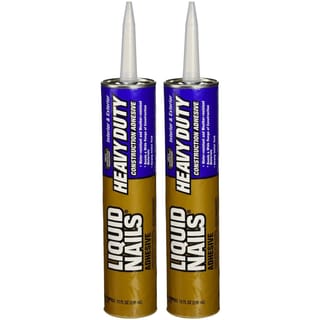
- Liquid Nails Heavy DutyTrim, paneling, and small masonry jobs — anything you'd run a bead along.
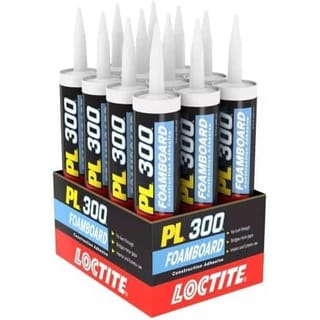
- Loctite PL 300 Foamboard AdhesiveBonding unfaced foam insulation to porous wood, drywall, concrete, or brick without burning through the foam.
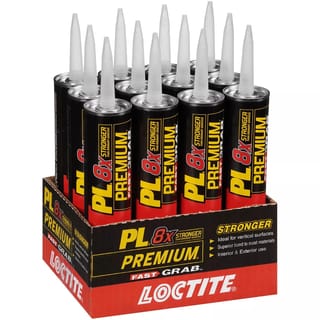
- Loctite PL Premium Polyurethane Construction AdhesiveHeavy-duty structural bonding on subfloors, framing, stairs, concrete, brick, stone, and metal — the 100 % polyurethane formula provides 3x the strength of traditional adhesives and cures in all weather conditions.
Questions
Common Questions About Gluing Metal to Tile
- Can glue hold heavy metal bathroom accessories on tile without drilling?
- Yes, heavy-duty construction adhesive or 2-part epoxy easily holds towel racks, soap dispensers, and shower caddies on tile. However, safety grab bars designed to support full human body weight must always be mechanically screwed into structural wall studs behind the tile.
- How do I remove cured adhesive from tile without damaging the glaze?
- Softened silicone or construction adhesive can be sliced and scraped away with a fresh razor blade held almost flat against the glazed surface. For stubborn cured epoxy, soften with acetone or gentle heat from a hairdryer before scraping.
- Can I use super glue to attach metal to tile?
- Super glue is not recommended for bathroom tile fixtures. It cures brittle and fails quickly when exposed to daily steam, warm water immersion, and lateral shear leverage from hanging items.
- Does glossy glazed tile need sanding before gluing metal?
- No, avoid scratching glossy glazed ceramic tile because sanding damages the glaze without improving adhesive grip for construction adhesive or epoxy. Thorough degreasing with isopropyl alcohol is all that is required.