Material
Cómo pegar Cuero / Piel
Usa Cemento de contacto para la mayoría de los trabajos con cuero / piel. El estándar en marroquinería y zapatería: adherencia fuerte, flexible e indeformable.
Cinturones, zapatos, tapicería de sofás, bolsos, marroquinería
Mejor pegamento para Cuero / Piel
El estándar en marroquinería y zapatería: adherencia fuerte, flexible e indeformable.
Preparación extra
- Lija la cara lisa exterior para abrir el poro y permitir que penetre el pegamento.
Derivado de nuestros datos de compatibilidad de materiales.
Identificar
Cómo identificar Cuero / Piel antes de pegar
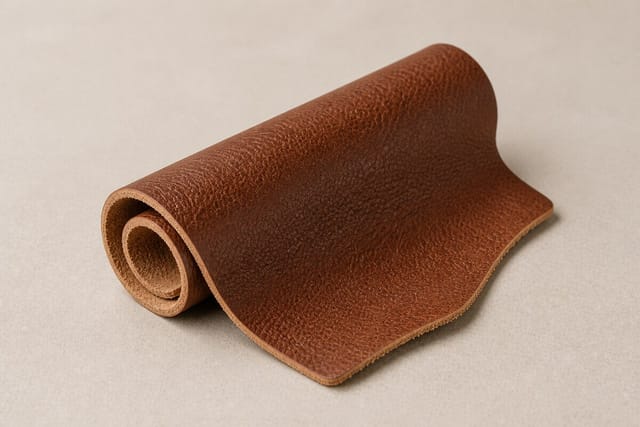
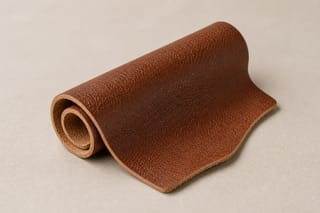
Flexible, con grano natural en el lado exterior (flor) y acabado afelpado en el reverso (carnaza). Olor característico.
Carácter
Cómo se comporta Cuero / Piel al pegarlo
Debe conservar su flexibilidad. El cemento de contacto es el método tradicional: aplica en ambas caras lijadas, deja orear hasta que esté mordiente y presiona con fuerza.
Propiedades
Por qué Cemento de contacto funciona en Cuero / Piel
Por qué esta respuesta
- Debe conservar su flexibilidad. El cemento de contacto es el método tradicional: aplica en ambas caras lijadas, deja orear hasta que esté mordiente y presiona con fuerza.
- El estándar en marroquinería y zapatería: adherencia fuerte, flexible e indeformable.
- Lija la cara lisa exterior para abrir el poro y permitir que penetre el pegamento.
- PorosidadPoroso
- Cuánto adhesivo puede absorber.
- Energía superficialMedia
- Una energía superficial baja rechaza el pegamento corriente.
- RigidezFlexible
- Si la junta tiene que flexionarse con la pieza.
- Sensibilidad al calorMedia
- Cómo soporta el calor el material en sí.
- Sensibilidad a disolventesAlta
- Si los pegamentos con disolvente lo atacan.
Compatibilidad
Qué pegamentos funcionan en Cuero / Piel
Funciona bien
- Cemento de contactoFunciona bien
El estándar en marroquinería y zapatería: adherencia fuerte, flexible e indeformable.
Preparación extra: Lija la cara lisa exterior para abrir el poro y permitir que penetre el pegamento.
- Pegamento textil flexibleFunciona bien
Excelente para desgarros pequeños y uniones flexibles en cuero fino.
También funciona, con condiciones
- Pegamento de poliuretanoDepende de las condiciones
Impermeable y muy resistente para pegar suelas de zapatos sobre cuero.
- Adhesivo en sprayDepende de las condiciones
Solo para laminar forros finos de tela en piezas de cuero.
6 familias no adhieren
- SiliconaNo adhiere
Adherencia escasa que se despega ante la flexión continua del cuero.
- EpoxiNo adhiere
Demasiado duro: se parte en cuanto la pieza de cuero se dobla.
- Cola para madera (PVA)No adhiere
Pega bien por la cara rugosa, pero queda demasiado rígida al doblar.
- Adhesivo de montajeNo adhiere
Totalmente inadecuada para cuero.
- Pegamento instantáneo (Cianoacrilato)No adhiere
Válido para un apaño puntual, pero rigidiza el cuero y puede cuartearlo.
- Adhesivo solventeNo adhiere
No tiene efecto sobre el cuero y puede desteñirlo.
Alternativas
Otros pegamentos que funcionan en Cuero / Piel
Excelente para desgarros pequeños y uniones flexibles en cuero fino.
Impermeable y muy resistente para pegar suelas de zapatos sobre cuero.
Mejor cuando: Exposición al exterior, Inmersión en agua
Solo para laminar forros finos de tela en piezas de cuero.
Productos
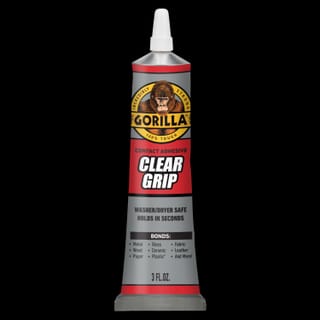
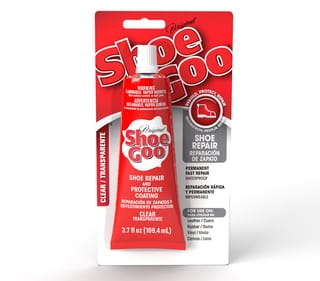
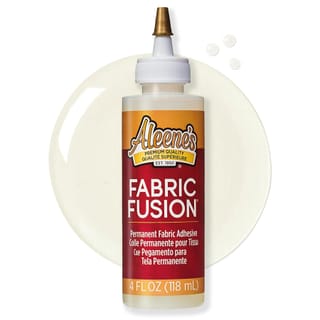
Productos para pegar Cuero / Piel
Pares de materiales
Con qué se une Cuero / Piel
Preguntas
Preguntas frecuentes sobre pegar Cuero / Piel
- Will gluing leave the leather stiff?
- Any adhesive stiffens the patch it forms, so the trick is to use a thin, even coat rather than a generous one. Thick garment leather hides it; thin lining leather will feel like card wherever glue soaked through.
- Do I need to rough up the surface first?
- On finished leather, yes — the topcoat is a sealed plastic film and the adhesive can only hold what that film holds. Sand or skive it back to the fibrous flesh side wherever the joint has to work.
- Is glue enough, or does it need stitching?
- Glue holds a lining, an edge, or a patch indefinitely. A strap, a handle, or anything else carrying weight is stitched, with the adhesive positioning the pieces and taking the peel off the thread.
- What about suede or nubuck?
- The nap soaks adhesive up and mats down permanently, so any glue that reaches the face is a visible flat patch. Work only on the back, and mask generously.
- How do I clean glue off leather?
- Rubber cement and contact cement can be rolled off with a fingertip or a crepe eraser while fresh. Once anything has cured into the grain, removing it takes the finish with it — prevention is the only real answer.