Todos los tipos de pegamento
Tipo de pegamento
Pegamento instantáneo (Cianoacrilato)
Cianoacrilato. Une en segundos piezas pequeñas y bien ajustadas, pero es quebradizo y no rellena holguras.
Ideal para
Qué une mejor Pegamento instantáneo (Cianoacrilato)
También funciona, con condiciones
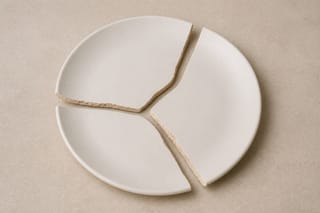
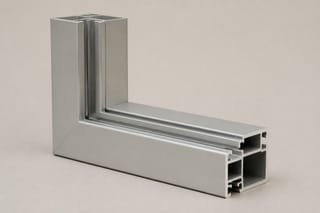
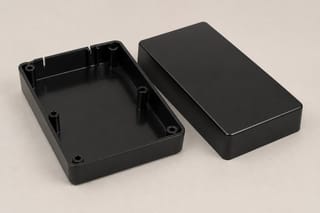
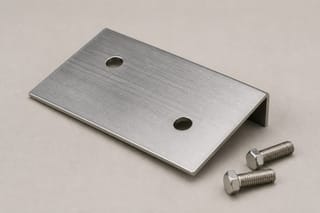
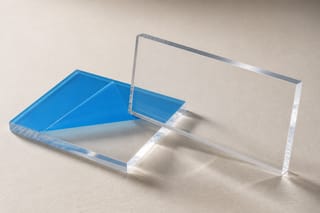
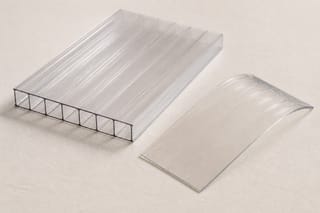
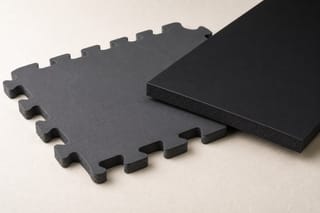
No adhiere en
Madera, Tejido / Tela, Hormigón y piedra, Cuero / Piel, Espuma, Teca, Pladur (Cartón yeso)
Herramienta equivocada
Holguras, uniones flexibles e inmersión constante: es líquido, quebradizo y solo resistente al agua puntual.
Uso
Cómo usar Pegamento instantáneo (Cianoacrilato)
- 01Usa menos de lo que crees: una sola gota cubre la superficie de una moneda.
- 02Las piezas deben encajar a la perfección; el cianoacrilato no cubre huecos (la fórmula en gel ayuda un poco).
- 03Presiona y mantén inmóvil durante los primeros 30 segundos.
- 04Mantenlo lejos de la piel y el algodón: la reacción con las fibras es instantánea y genera calor.
Pares de materiales
Pares de materiales para los que Pegamento instantáneo (Cianoacrilato) es la mejor opción
Artículos
Cómo funciona Pegamento instantáneo (Cianoacrilato)
- ¿Qué pegamentos son seguros para contacto con alimentos?Pautas claras sobre la seguridad alimentaria de los adhesivos en tablas de cortar, vajilla y utensilios de cocina.
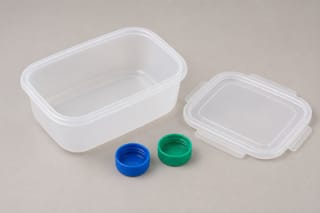
- Por qué los pegamentos comunes fallan en plásticos PP y PECajas de plástico, juguetes y tapones repelen el super glue y el epoxi. Te explicamos los plásticos de baja energía superficial y los métodos que sí funcionan.
- Cómo despegar super glue de la piel (sin dolor ni tirones)Métodos suaves y seguros para separar dedos pegados con cianoacrilato sin arrancarte la piel.
- Cómo guardar los pegamentos para que no se sequen en el boteTrucos sencillos para alargar la vida útil de tus botes de pegamento abiertos y no tener que tirarlos a las dos semanas.
- Epoxi vs Super Glue (Cianoacrilato): ¿cuál elegir?Comparativa directa entre los dos adhesivos más habituales para reparaciones domésticas: fortalezas, debilidades y cuándo usar cada uno.
Preguntas
Preguntas frecuentes sobre Pegamento instantáneo (Cianoacrilato)
- Why will super glue not stick to polyethylene or polypropylene?
- Those plastics have very low surface energy, so the liquid beads up instead of wetting and gripping the surface. Use a system made for low-energy plastics, usually with its own primer, rather than relying on ordinary cyanoacrylate.
- Should I use gel or liquid super glue?
- Liquid runs into hairline seams and close-fitting parts. Gel stays where you place it on vertical or slightly porous surfaces, but neither version turns a loose joint into a strong gap-filled repair.
- What is the white haze around a super-glue repair?
- It is cured adhesive vapor deposited around the joint, often called blooming. Use less glue, keep air moving, and avoid enclosing the fresh joint where vapor can settle on nearby glossy surfaces.
- Why does super glue get hot on cotton?
- Cyanoacrylate reacts very quickly with the moisture and cellulose in cotton fibers, releasing heat. Keep it away from cotton clothing, cloths, and swabs, and never use fabric to wipe up a spill.