Todos los tipos de pegamento
Tipo de pegamento
Silicona
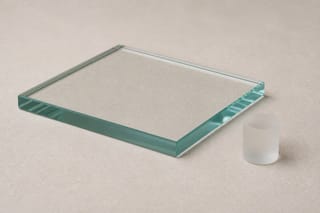
Permanece flexible e impermeable durante décadas. Sella vidrio, bañeras y fregaderos en lugar de soportar cargas estructurales.
Ideal para
Qué une mejor Silicona
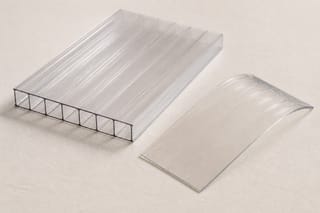
También funciona, con condiciones
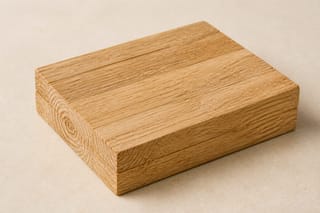
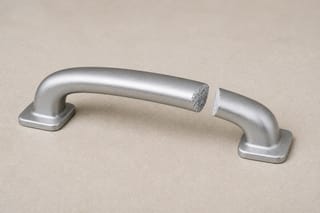
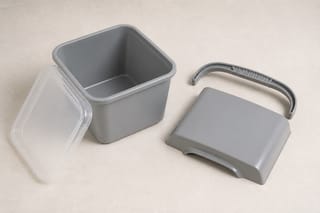
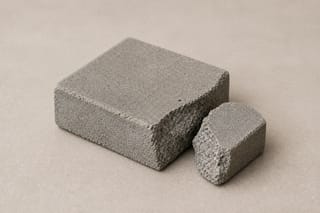
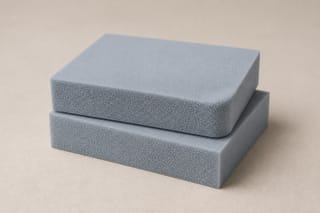
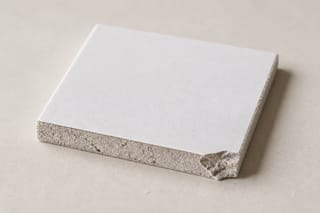
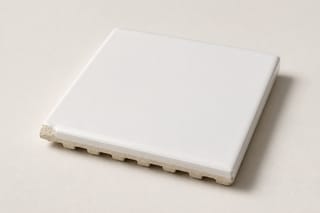
No adhiere en
Cuero / Piel, Plástico ABS, Polipropileno (PP), Polietileno (PE / PEAD / PEBD)
Herramienta equivocada
Uniones portantes: la silicona se mantiene gomosa y se despega bajo tensión continua de cizallamiento.
Uso
Cómo usar Silicona
- 01Alisa el cordón en cuestión de minutos; una vez que forma piel ya no quedará liso.
- 02Enmascara ambos lados de la junta con cinta para obtener un acabado limpio.
- 03Nada se pega a la silicona curada, ni siquiera más silicona: hazlo bien a la primera.
- 04Elige «100 % silicona»; los selladores «siliconados» para pintar son un producto distinto.
Pares de materiales
Pares de materiales para los que Silicona es la mejor opción
Artículos
Cómo funciona Silicona
- ¿Qué pegamentos son seguros para contacto con alimentos?Pautas claras sobre la seguridad alimentaria de los adhesivos en tablas de cortar, vajilla y utensilios de cocina.
- Cómo guardar los pegamentos para que no se sequen en el boteTrucos sencillos para alargar la vida útil de tus botes de pegamento abiertos y no tener que tirarlos a las dos semanas.
Preguntas
Preguntas frecuentes sobre Silicona
- Can I apply new silicone over old silicone?
- It is unreliable because cured silicone is a poor bonding surface, even for fresh silicone. Remove the old bead and residue, clean the joint, and let it dry before resealing.
- Can silicone sealant be painted?
- Pure silicone normally rejects paint. If the finished joint must be painted, choose a sealant whose own label says paintable rather than assuming every product called caulk behaves the same way.
- Can silicone hold two parts together as well as it seals them?
- It can hold light, broad surfaces while staying flexible, but it peels under steady structural load. Use it where movement and sealing matter; use a structural adhesive where the joint must carry weight.
- Can a fresh silicone bead get wet right away?
- Only if that exact product label allows early water exposure under the current conditions. Otherwise water can deform or wash the uncured surface, so keep the joint dry until the maker's stated cure stage.