Todos los tipos de pegamento
Tipo de pegamento
Pegamento de poliuretano
Impermeable y apto para múltiples materiales. Se expande al curar, así que aplica poca cantidad y sujeta con fuerza.
Ideal para
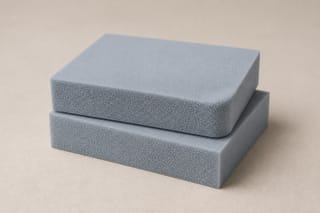
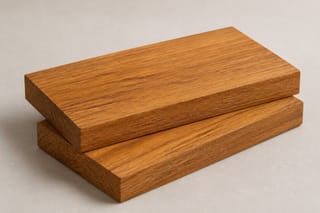
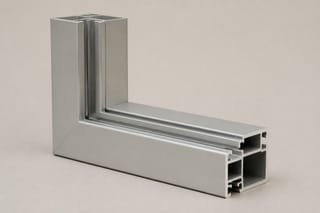
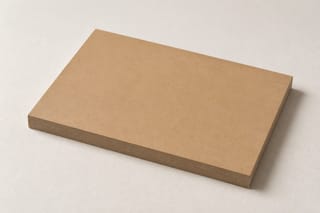
Qué une mejor Pegamento de poliuretano
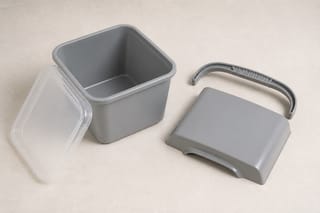
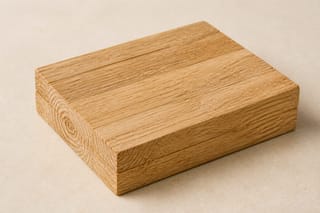
También funciona, con condiciones
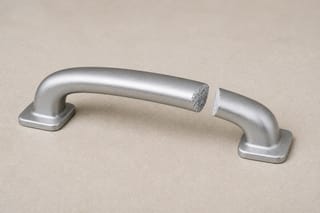
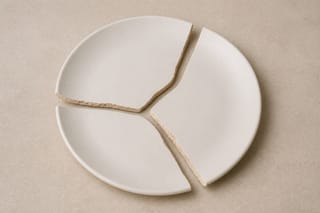
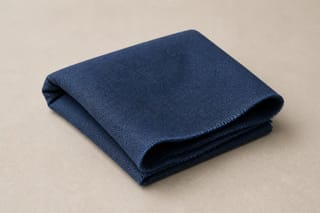
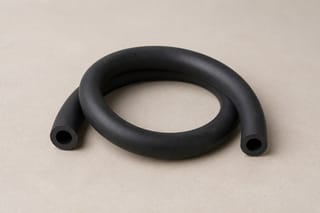
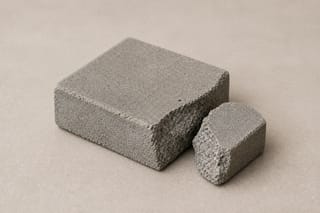
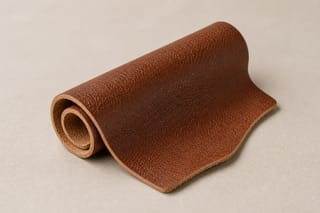
No adhiere en
Vidrio, Polipropileno (PP), Polietileno (PE / PEAD / PEBD), Pladur (Cartón yeso), Azulejo / Baldosa
Herramienta equivocada
Uniones con línea de pegamento visible: espuma al curar, y la espuma expandida es débil y poco estética.
Uso
Cómo usar Pegamento de poliuretano
- 01Humedece ligeramente una de las superficies: la humedad activa el curado.
- 02Aplica poca cantidad: se expande de dos a tres veces su volumen al fraguar.
- 03Sujeta firmemente con prensas: la fase de espumado empuja las piezas hacia afuera.
- 04Raspa o lija la espuma curada: no coge bien la pintura.
Pares de materiales
Pares de materiales para los que Pegamento de poliuretano es la mejor opción
Guías
Reparaciones que usan Pegamento de poliuretano
Artículos
Cómo funciona Pegamento de poliuretano
- Cuándo NO usar la Gorilla Glue original (Poliuretano)Este popular adhesivo de poliuretano es muy potente pero su propiedad expansiva lo hace inadecuado para ciertas reparaciones.
- Cómo guardar los pegamentos para que no se sequen en el boteTrucos sencillos para alargar la vida útil de tus botes de pegamento abiertos y no tener que tirarlos a las dos semanas.
- Tiempo de apriete vs tiempo de curado: diferencias claveQuitar los sargentos antes de tiempo o forzar una unión antes de su curado completo es la causa nº 1 de fallos. Te explicamos cómo interpretar los tiempos del fabricante.
- Cómo eliminar epoxi curado o adhesivo de montajeGuía práctica para ablandar, disolver o raspar restos de adhesivos de construcción y epoxi endurecidos sin dañar el soporte.
Preguntas
Preguntas frecuentes sobre Pegamento de poliuretano
- Why do I dampen a surface before using polyurethane glue?
- Moisture triggers the cure. A light, even dampening on one side is enough; standing water dilutes the glue and makes the foaming harder to control.
- Does the expanding foam make polyurethane glue good at filling gaps?
- The glue reaches into an irregular joint, but the airy foam itself is much weaker than a thin bond between fitted surfaces. Treat expansion as coverage, not as a substitute for sound contact.
- Why does polyurethane glue need firm clamping?
- The curing reaction expands and can push the parts apart. Clamping keeps the real bonding faces together while excess foam escapes at the edge.
- How do I remove polyurethane glue squeeze-out?
- Do not smear the wet foam across the surface. Let it harden, then cut or scrape it away and sand the remaining trace; protect visible areas beforehand because cured residue is difficult to finish cleanly.