Todos los tipos de pegamento
Tipo de pegamento
Epoxi
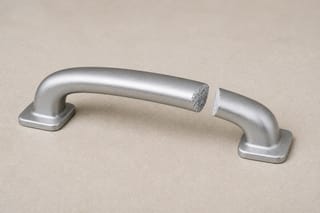
Dos componentes que se mezclan. La opción más resistente y tolerante con las holguras para materiales rígidos como metal, cerámica y vidrio.
Ideal para
Qué une mejor Epoxi
- Metal
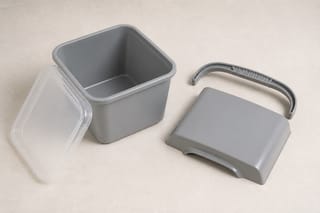
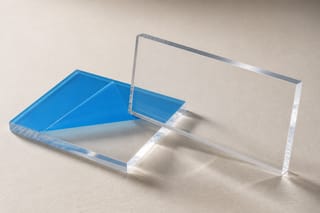
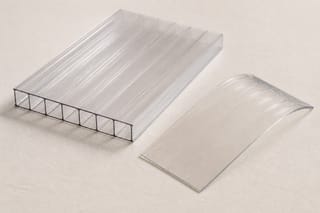
- Plástico
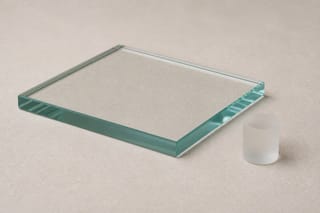
- Vidrio
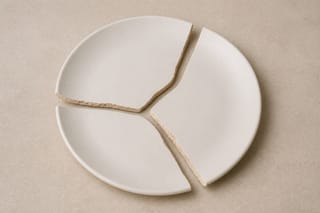
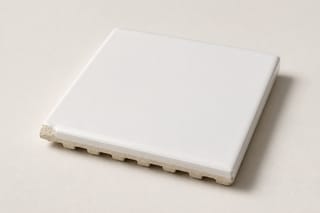
- Cerámica
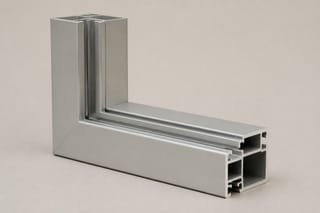
- Aluminio
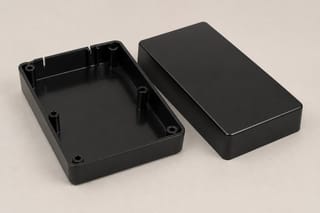
- Plástico ABS
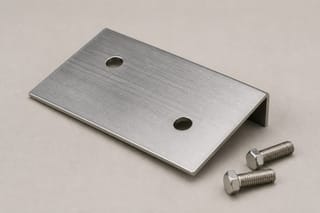
- Acero inoxidable
- Fibra de vidrio (PRFV)
- Aglomerado
- Piedra natural
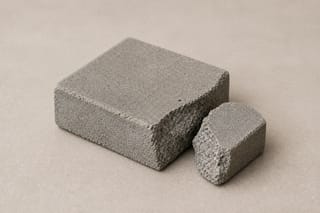
También funciona, con condiciones
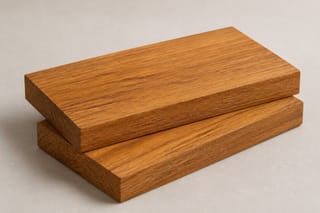
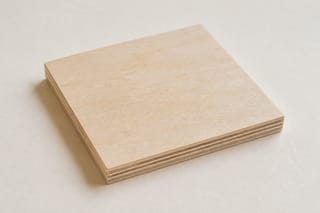
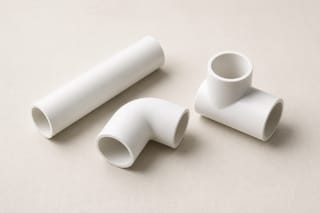
No adhiere en
Tejido / Tela, Caucho / Goma, Cuero / Piel, Espuma, Polipropileno (PP), Polietileno (PE / PEAD / PEBD), Pladur (Cartón yeso)
Herramienta equivocada
Cualquier cosa que flexione: el epoxi cura duro y se quiebra al doblarse.
Uso
Cómo usar Epoxi
- 01Mezcla bien los dos componentes; un epoxi mal mezclado nunca alcanza su resistencia máxima.
- 02Lija ligeramente las superficies lisas y desengrasa para que la resina agarre.
- 03Aplica una presión suave; una línea de pegamento fina y uniforme es más resistente que una gruesa.
- 04Deja que cure por completo antes de someterlo a carga: «fraguado» no es lo mismo que «curado».
Pares de materiales
Pares de materiales para los que Epoxi es la mejor opción
Guías
Reparaciones que usan Epoxi
- Reparar una taza de cerámica rota
- Reparar una caja de plástico de almacenaje rajada (PP)
- Reparar un jarrón de cristal roto
- Volver a pegar el retrovisor interior al parabrisas
- Reparar un estante o cajón de nevera agrietado
- Reparar un desconchón en una encimera de granito
- Reparar una bisagra de armario suelta (tornillo pasado)
Artículos
Cómo funciona Epoxi
- ¿Qué pegamentos son seguros para contacto con alimentos?Pautas claras sobre la seguridad alimentaria de los adhesivos en tablas de cortar, vajilla y utensilios de cocina.
- Por qué los pegamentos comunes fallan en plásticos PP y PECajas de plástico, juguetes y tapones repelen el super glue y el epoxi. Te explicamos los plásticos de baja energía superficial y los métodos que sí funcionan.
- Cuándo NO usar la Gorilla Glue original (Poliuretano)Este popular adhesivo de poliuretano es muy potente pero su propiedad expansiva lo hace inadecuado para ciertas reparaciones.
- Epoxi vs Super Glue (Cianoacrilato): ¿cuál elegir?Comparativa directa entre los dos adhesivos más habituales para reparaciones domésticas: fortalezas, debilidades y cuándo usar cada uno.
- Tiempo de apriete vs tiempo de curado: diferencias claveQuitar los sargentos antes de tiempo o forzar una unión antes de su curado completo es la causa nº 1 de fallos. Te explicamos cómo interpretar los tiempos del fabricante.
- Cómo eliminar epoxi curado o adhesivo de montajeGuía práctica para ablandar, disolver o raspar restos de adhesivos de construcción y epoxi endurecidos sin dañar el soporte.
Preguntas
Preguntas frecuentes sobre Epoxi
- Why is my epoxy still sticky?
- The usual problem is an incomplete mix or the wrong resin-to-hardener ratio. Scrape the sides and bottom while mixing, and measure both parts exactly as that product directs; adding fresh epoxy over a soft layer only traps the bad mix underneath.
- Will extra hardener make epoxy cure faster?
- No. Epoxy needs its stated chemical ratio, and changing it leaves unreacted material in the joint. If you need a faster cure, choose a faster formulation instead of altering the mix.
- Can I use epoxy when the two parts do not fit perfectly?
- Yes, within reason. Epoxy can bridge an irregular joint, but it still needs clean, scuffed surfaces and enough contact area on both sides; a large unsupported blob is filler, not structure.
- Why did epoxy pop off a flexible repair?
- Cured epoxy is rigid, so repeated bending concentrates stress at the edge of the glue line until it cracks loose. Use a flexible adhesive when the materials are expected to fold, stretch, or move against each other.