Todos los tipos de pegamento
Tipo de pegamento
Cola para madera (PVA)
La opción por defecto para madera con madera. Una unión curada con PVA es más fuerte que la propia madera.
Ideal para
Qué une mejor Cola para madera (PVA)
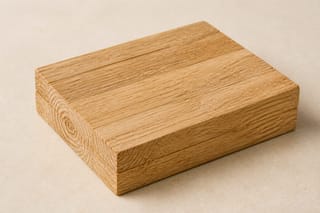
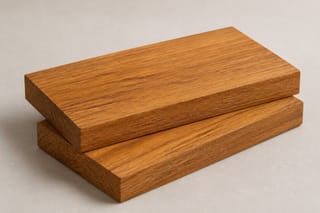
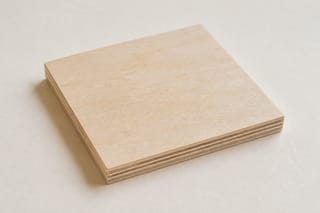
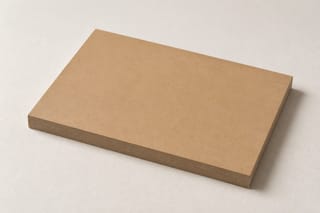
También funciona, con condiciones
No adhiere en
Metal, Plástico, Vidrio, Cerámica, Tejido / Tela, Caucho / Goma, Hormigón y piedra, Cuero / Piel, Aluminio, Polipropileno (PP), Polietileno (PE / PEAD / PEBD), Pladur (Cartón yeso)
Herramienta equivocada
Materiales no porosos como metal, vidrio o plástico: necesita penetrar en el poro para actuar.
Uso
Cómo usar Cola para madera (PVA)
- 01Una capa fina en ambas caras funciona mejor que una gruesa en una sola.
- 02Aprieta con firmeza con sargentos: el PVA necesita presión de contacto mientras seca.
- 03Limpia el sobrante con un paño húmedo antes de que forme película.
- 04Las piezas deben encajar ajustadas: la cola blanca o de carpintero no rellena huecos.
Guías
Reparaciones que usan Cola para madera (PVA)
Artículos
Cómo funciona Cola para madera (PVA)
- ¿Qué pegamentos son seguros para contacto con alimentos?Pautas claras sobre la seguridad alimentaria de los adhesivos en tablas de cortar, vajilla y utensilios de cocina.
- Cuándo NO usar la Gorilla Glue original (Poliuretano)Este popular adhesivo de poliuretano es muy potente pero su propiedad expansiva lo hace inadecuado para ciertas reparaciones.
- Cómo guardar los pegamentos para que no se sequen en el boteTrucos sencillos para alargar la vida útil de tus botes de pegamento abiertos y no tener que tirarlos a las dos semanas.
- Tiempo de apriete vs tiempo de curado: diferencias claveQuitar los sargentos antes de tiempo o forzar una unión antes de su curado completo es la causa nº 1 de fallos. Te explicamos cómo interpretar los tiempos del fabricante.
Preguntas
Preguntas frecuentes sobre Cola para madera (PVA)
- Can wood glue bond painted or varnished wood?
- Not reliably. PVA needs to wet bare wood fibers, while a finished surface makes the glue depend on the paint or varnish staying attached. Remove the coating inside the joint before gluing.
- Why is an end-grain glue joint weak?
- Open end grain pulls liquid glue away from the bond line like a bundle of straws. Brush on a light sizing coat first, let the fibers absorb it, then apply the bonding coat and clamp the fitted joint.
- Why did wood glue leave a pale patch under stain?
- Dried glue sealed the pores, so the stain could not enter the wood evenly. Remove squeeze-out before finishing; once stain reveals the patch, sanding back to clean fibers is the dependable repair.
- Is every wood glue suitable outdoors?
- No. Some PVA formulas are intended only for dry interior work, while others are rated for weather exposure. Read the individual product label and still avoid uses the maker excludes, such as continuous immersion.