Material
Cómo pegar Tejido / Tela
Usa Flexible fabric adhesive para la mayoría de los trabajos con tejido / tela. Especialmente formulado para mantenerse elástico, transparente y aguantar lavados en lavadora.
Lona, tela vaquera (denim), tapicería, algodón, sintéticos
Mejor pegamento para Tejido / Tela
Especialmente formulado para mantenerse elástico, transparente y aguantar lavados en lavadora.
Derivado de nuestros datos de compatibilidad de materiales.
Identificar
Cómo identificar Tejido / Tela antes de pegar
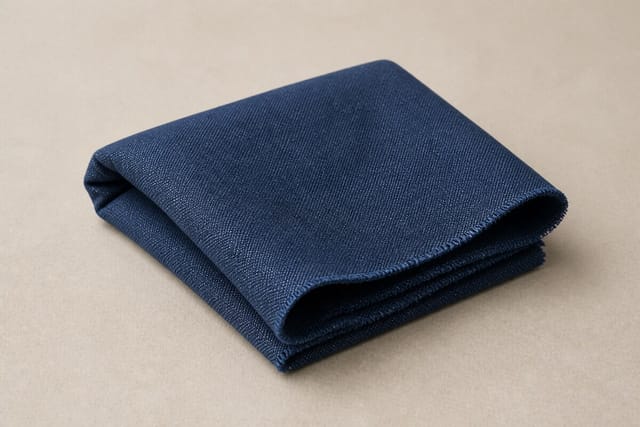
Material textil flexible y plegable formado por hilos entrelazados.
Carácter
Cómo se comporta Tejido / Tela al pegarlo
Muy poroso y flexible. Los pegamentos líquidos traspasan la tela y crean manchas rígidas. Usa pegamento textil flexible y resistente a los lavados.
Propiedades
Por qué Flexible fabric adhesive funciona en Tejido / Tela
Por qué esta respuesta
- Muy poroso y flexible. Los pegamentos líquidos traspasan la tela y crean manchas rígidas. Usa pegamento textil flexible y resistente a los lavados.
- Especialmente formulado para mantenerse elástico, transparente y aguantar lavados en lavadora.
- PorosidadPoroso
- Cuánto adhesivo puede absorber.
- Energía superficialMedia
- Una energía superficial baja rechaza el pegamento corriente.
- RigidezFlexible
- Si la junta tiene que flexionarse con la pieza.
- Sensibilidad al calorMedia
- Cómo soporta el calor el material en sí.
- Sensibilidad a disolventesMedia
- Si los pegamentos con disolvente lo atacan.
Compatibilidad
Qué pegamentos funcionan en Tejido / Tela
Funciona bien
- Flexible fabric adhesiveFunciona bien
Especialmente formulado para mantenerse elástico, transparente y aguantar lavados en lavadora.
También funciona, con condiciones
- Adhesivo en sprayDepende de las condiciones
Ideal para unir grandes piezas de tela, guata o forros sin crear arrugas ni bultos.
- Cemento de contactoDepende de las condiciones
Imprescindible en tapicería, calzado y unión de tejidos gruesos sobre cuero o madera.
- Pegamento de poliuretanoDepende de las condiciones
Agarra con fuerza pero traspasa la fibra y forma una masa dura y áspera.
- SiliconaDepende de las condiciones
Para crear zonas antideslizantes o sellados impermeables en tejidos técnicos.
5 familias no adhieren
- Cola para madera (PVA)No adhiere
Pega tela sobre madera en trabajos de cartonaje o forrado de marcos.
- EpoxiNo adhiere
Endurece la tela por completo; solo útil para crear piezas compuestas de fibra.
- Adhesivo de montajeNo adhiere
Demasiado pastoso e inadecuado para telas.
- Pegamento instantáneo (Cianoacrilato)No adhiere
Evitar: reacciona al instante con las fibras desprendiendo calor y deja una mancha blanca rígida.
- Adhesivo solventeNo adhiere
No une fibras textiles.
Alternativas
Otros pegamentos que funcionan en Tejido / Tela
Ideal para unir grandes piezas de tela, guata o forros sin crear arrugas ni bultos.
Imprescindible en tapicería, calzado y unión de tejidos gruesos sobre cuero o madera.
Agarra con fuerza pero traspasa la fibra y forma una masa dura y áspera.
Mejor cuando: Exposición al exterior, Inmersión en agua
Para crear zonas antideslizantes o sellados impermeables en tejidos técnicos.
Mejor cuando: Inmersión en agua, Exposición al exterior, Flexión o movimiento
Productos
Productos para pegar Tejido / Tela
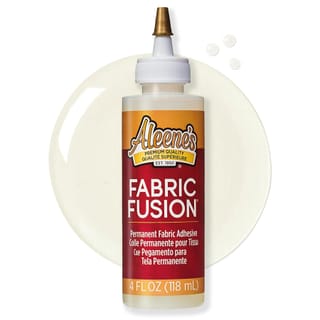
- Aleene's Fabric FusionPegamento textil flexible
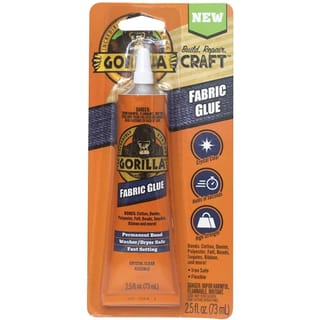
- Gorilla Fabric GluePegamento textil flexible
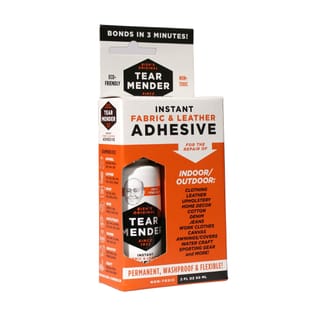
- Tear Mender Instant Fabric & Leather AdhesivePegamento textil flexible
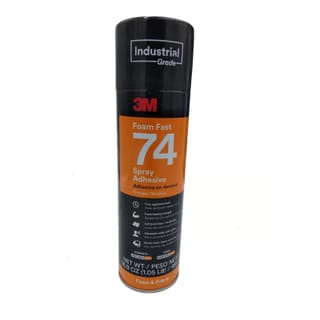
- 3M Foam Fast 74 Spray AdhesiveAdhesivo en spray
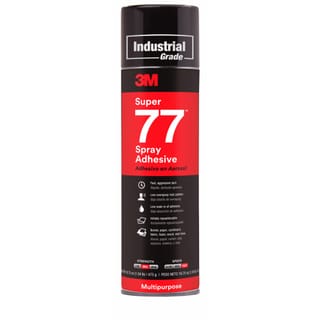
- 3M Super 77 Multipurpose Spray AdhesiveAdhesivo en spray
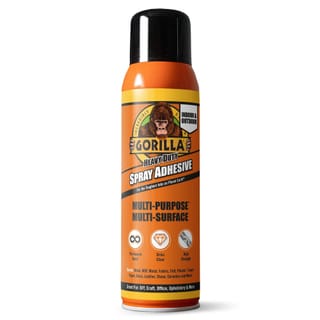
- Gorilla Heavy Duty Spray AdhesiveAdhesivo en spray
Pares de materiales
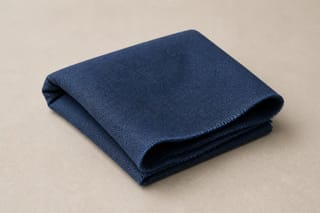
Con qué se une Tejido / Tela
Preguntas
Preguntas frecuentes sobre pegar Tejido / Tela
- Can I wash something after gluing it?
- Flexible fabric adhesives are made to survive laundering, but only once fully cured — washing early is the most common way people break their own repair. Turn the garment inside out and keep it out of the tumble dryer.
- Should I glue it or sew it?
- Glue suits hems, patches, and trim that only has to stay put. Anything under tension — a strap, a structural seam — needs stitching, with the adhesive doing no more than holding the pieces in place while you sew.
- Will the glue stiffen or show through the cloth?
- Every adhesive stiffens the area it soaks into, and the thinner the fabric the more it shows. Spread the smallest amount that covers the area and test on an inside hem before you commit.
- Does any of this work on stretch fabric?
- Only with an adhesive that stays elastic, and even then the glued patch will never stretch as far as the cloth around it. Expect the tear to reopen along the edge of the patch rather than in the middle.
- How do I get glue back out of fabric?
- While it is still wet, most water-based fabric glues rinse out with warm water. Once cured you are down to picking and abrading, and there is no solvent that removes it without also attacking the cloth.