Todos los artículos
Guía
Reparar la correa rota de una mochila
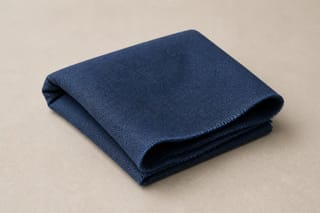
Usa Pegamento textil flexible para esta reparación. Consolida las telas sin crear un bloque rígido y facilita el posterior cosido.
Esta tarea implica: Carga y cizallamiento
Mejor pegamento para esta reparación
Consolida las telas sin crear un bloque rígido y facilita el posterior cosido.
No para: Carga y cizallamiento
Revisado y ajustado por un editor.
Por qué Pegamento textil flexible funciona aquí
- Muy poroso y flexible. Los pegamentos líquidos traspasan la tela y crean manchas rígidas. Usa pegamento textil flexible y resistente a los lavados.
- Especialmente formulado para mantenerse elástico, transparente y aguantar lavados en lavadora.
Cómo hacerlo
Reparar la correa rota de una mochila: paso a paso
- Limpia la zona rota y recorta los hilos sueltos.
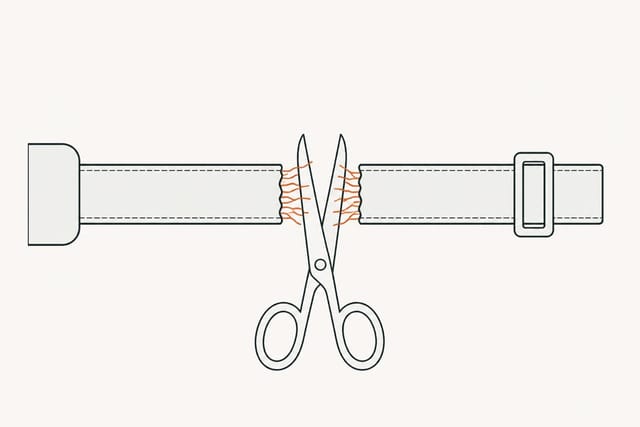
- Coloca una tira de refuerzo de tela resistente o cinta de nailon en el interior.
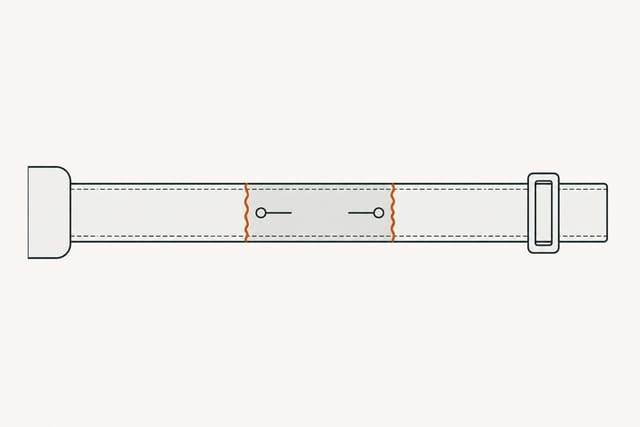
- Aplica pegamento textil flexible entre las capas y presiona en plano.
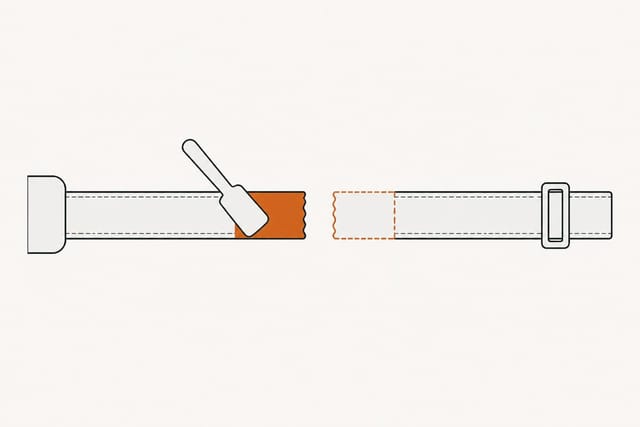
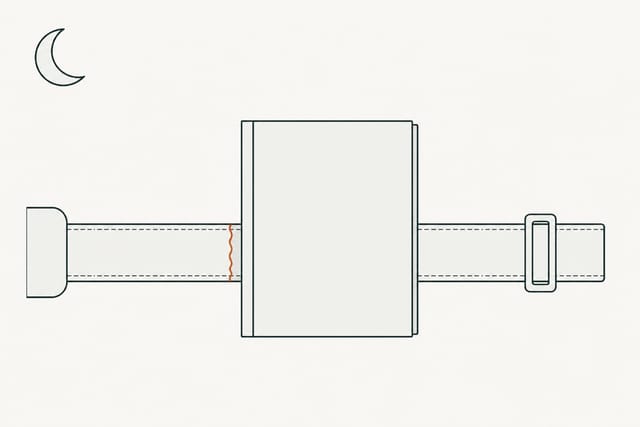
- Deja secar bajo un peso durante varias horas.
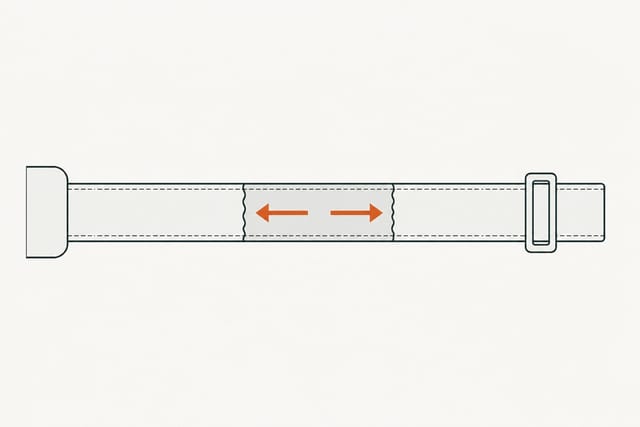
- Cose en cruz con hilo reforzado atravesando todas las capas.
Condiciones
Cuándo usar otro pegamento
El adhesivo textil une las telas y evita que se deshilachen, pero es imprescindible rematar con costura reforzada para aguantar cargas pesadas.
Preguntas
Preguntas frecuentes sobre esta reparación
- Is fabric glue enough for a load-bearing backpack strap?
- Treat glue alone as a temporary repair on a shoulder strap or other load-bearing attachment. Stitching or a sewn reinforcement carries repeated loads more reliably, while flexible adhesive can help stabilize and seal the repair.
- Why overlap the torn fabric instead of joining the edges directly?
- An overlap gives the adhesive a larger bonded area and spreads the load away from one cut line. A direct edge-to-edge joint concentrates peel and tension at the tear and is easier to reopen.
- When does a torn strap need a backing patch?
- Use a compatible backing when the fabric is frayed, thin, or missing material around the tear. The patch should extend onto sound fabric so the repair does not rely on damaged fibers alone.
- How should I test the repaired strap?
- Wait for the adhesive's stated full cure, inspect for lifted edges, then add load gradually while watching the repair. Do not make the first test with fragile or valuable contents inside the backpack.