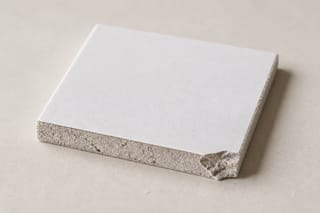
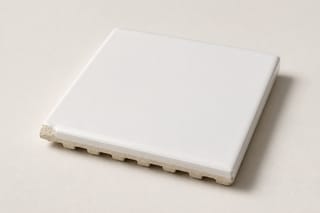
Material pair
How to Glue Drywall to Tile
Use construction adhesive or tile mastic to mount kitchen backsplash tiles or repair loose tiles on drywall. For shower surrounds and wet areas, install cement backer board rather than standard drywall.
Best Adhesive for Drywall to Tile
Heavy-duty construction adhesive
High instant grab prevents vertical tile slippage on drywall and bridges uneven backing gaps.
Extra prep
- Scrape old mastic off the tile back and the wall until both are sound, dry, and free of dust. A crumbling wall is a masonry repair first.
Reviewed and adjusted by an editor.
Why Heavy-duty construction adhesive Works
- You are gluing to paper, and the paper is glued to a core that has almost no strength in peel. Construction adhesive is the right family for trim and light panels; anything heavy, or anything that pulls straight off the wall, still wants an anchor into a stud. Joint compound is not an adhesive. Water ruins the core, so a wet bathroom wall is a different problem than a dry one.
- Two jobs that look the same and are not. Setting a tile back onto a wall wants a thick construction adhesive on the biscuit; mending a broken tile is the same clean-break problem as any other ceramic and still wants epoxy. Floor tile and wet areas are laid in thinset mortar, which is not a household adhesive — do not treat a cartridge as a substitute for a bed of mortar underfoot. Silicone seals grout and wet edges; it does not set a tile that has to stay put.
- A thick bead grips the paper face and spans the gaps behind trim or a light panel — the job this family is made for. The gypsum behind still has no peel strength, so a heavy fitting wants a stud.
- A thick bead on the ridged back spans the gap between biscuit and wall, which is how a loose wall tile goes back on. It is a repair, not a mortar bed — floor tile and wet areas still want thinset.
- Scrape old mastic off the tile back and the wall until both are sound, dry, and free of dust. A crumbling wall is a masonry repair first.
Conditions
When to Use 100% silicone adhesive sealant Instead
Standard gypsum drywall cannot survive continuous moisture. For dry kitchen backsplashes and spot tile repairs, construction adhesive provides fast grab; for wet shower walls, replace drywall with cement backer board.
Alternatives
Other Adhesives That Work
100% silicone adhesive sealant
Waterproof and flexible for perimeter edge tiles meeting countertops and sinks.
Better when: Flexing or movement, Water immersion
Products
Products for Bonding Drywall to Tile
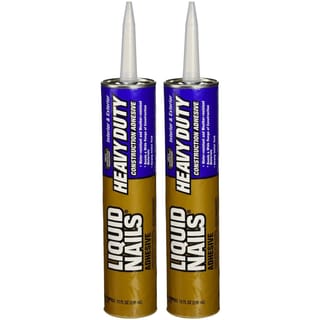
- Liquid Nails Heavy DutyTrim, paneling, and small masonry jobs — anything you'd run a bead along.
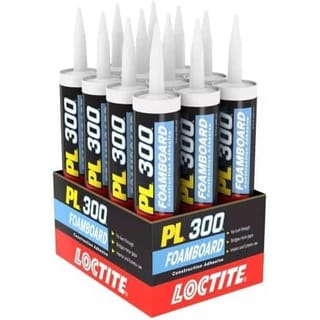
- Loctite PL 300 Foamboard AdhesiveBonding unfaced foam insulation to porous wood, drywall, concrete, or brick without burning through the foam.
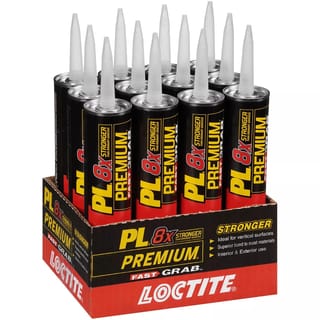
- Loctite PL Premium Polyurethane Construction AdhesiveHeavy-duty structural bonding on subfloors, framing, stairs, concrete, brick, stone, and metal — the 100 % polyurethane formula provides 3x the strength of traditional adhesives and cures in all weather conditions.
Questions
Common Questions About Gluing Drywall to Tile
- Can you put tile directly onto drywall?
- Yes, for dry residential walls like kitchen backsplashes, half-bath walls, or fireplace surrounds. However, never tile over standard drywall inside enclosed showers or tub walls where moisture will rot the gypsum core.
- What is the best adhesive for kitchen backsplash tiles on drywall?
- Pre-mixed tile mastic (Type 1 mastic) or high-grab construction adhesive is ideal for dry kitchen backsplashes. It grips immediately to prevent tiles from sliding down vertical drywall.
- How do I fix a single loose wall tile on drywall?
- Scrape off crumbling old mortar from the drywall without puncturing the paper facing. Apply several dabs of construction adhesive to the tile back, press firmly into place flush with surrounding tiles, and tape until cured.
- What if the paper surface tore off the drywall when the tile popped off?
- Seal the exposed powdery brown gypsum core with a coat of problem-surface primer (like Zinsser Gardz) to harden the fibers before applying fresh construction adhesive.