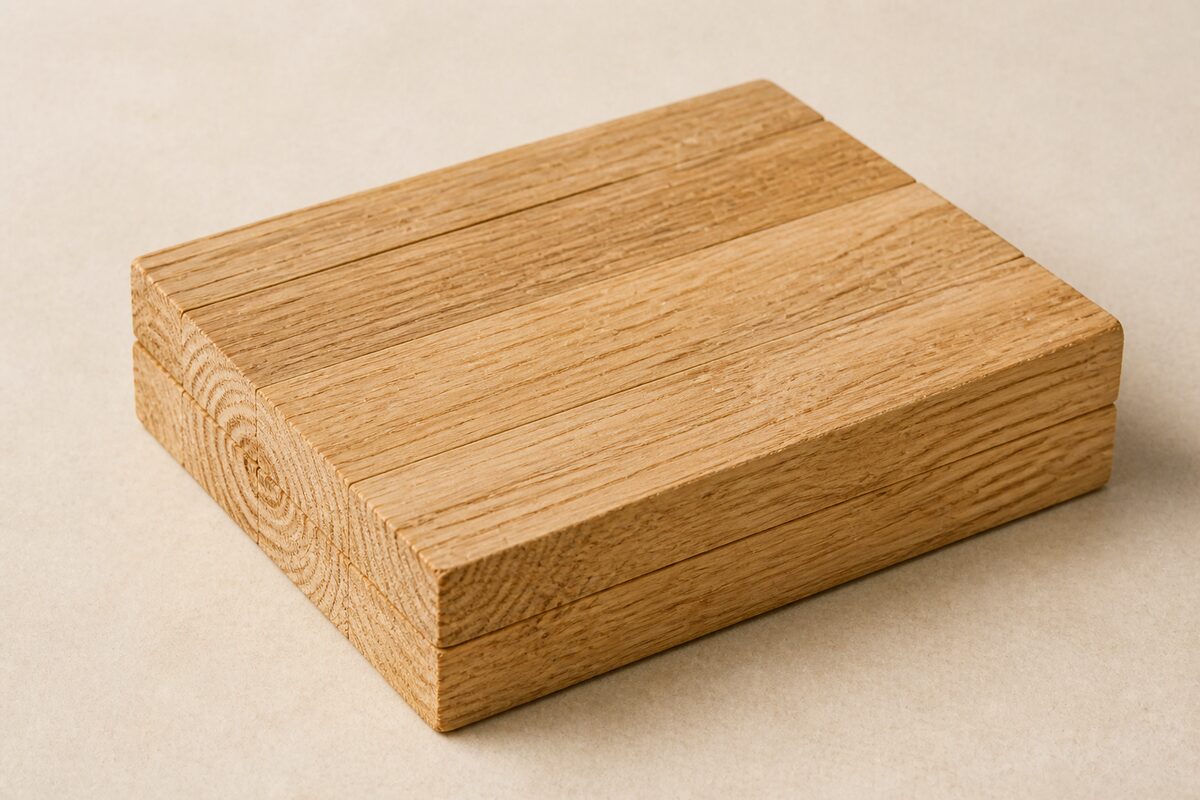
Best bet
Grabs fast and fills the gaps behind trim on uneven walls.
Reviewed and adjusted by an editor.
Why this answer
- Porous and slightly forgiving — glue soaks in, and a well-glued joint ends up stronger than the wood around it. Oily hardwoods like teak need a solvent wipe first.
- A bead thick enough to span the gap between a board and an uneven wall — right for trim and panels, far too coarse for a furniture joint.
How to do it
Step by step
- Cut and dry-fit each piece before any adhesive.
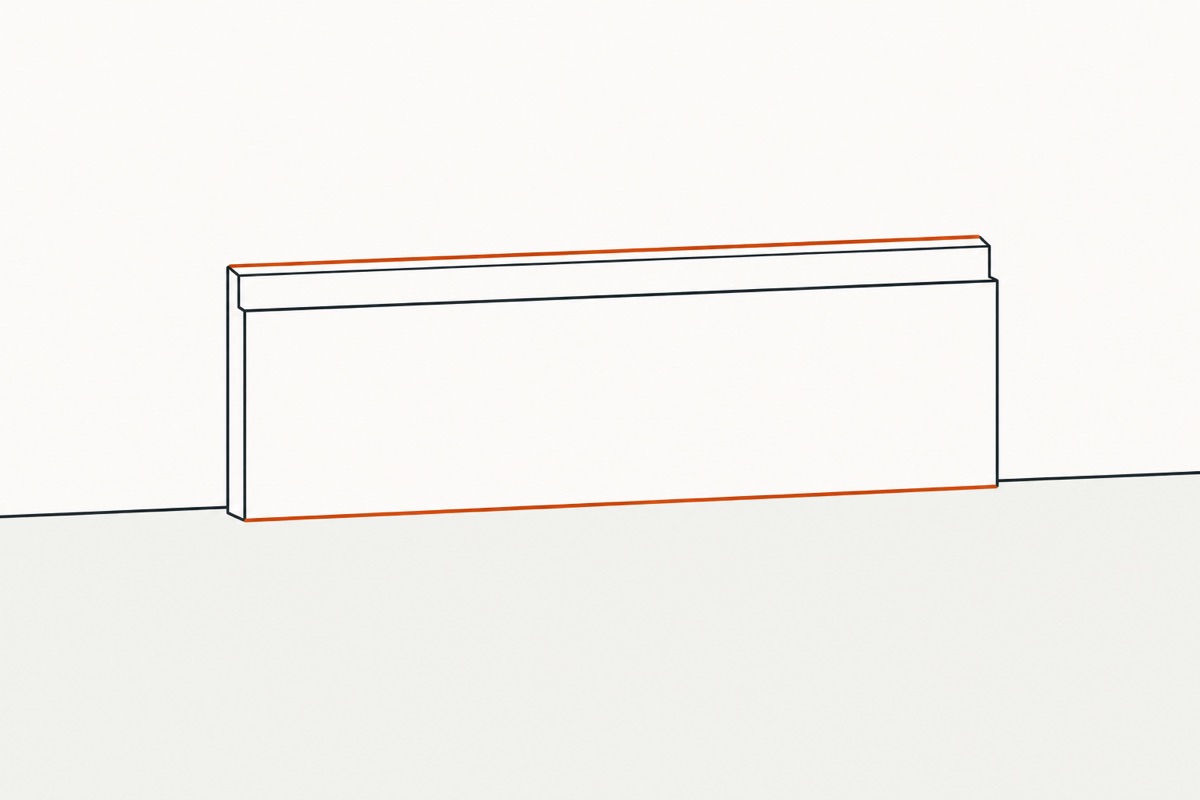
- Run a zigzag bead of construction adhesive on the back, staying off the edges.
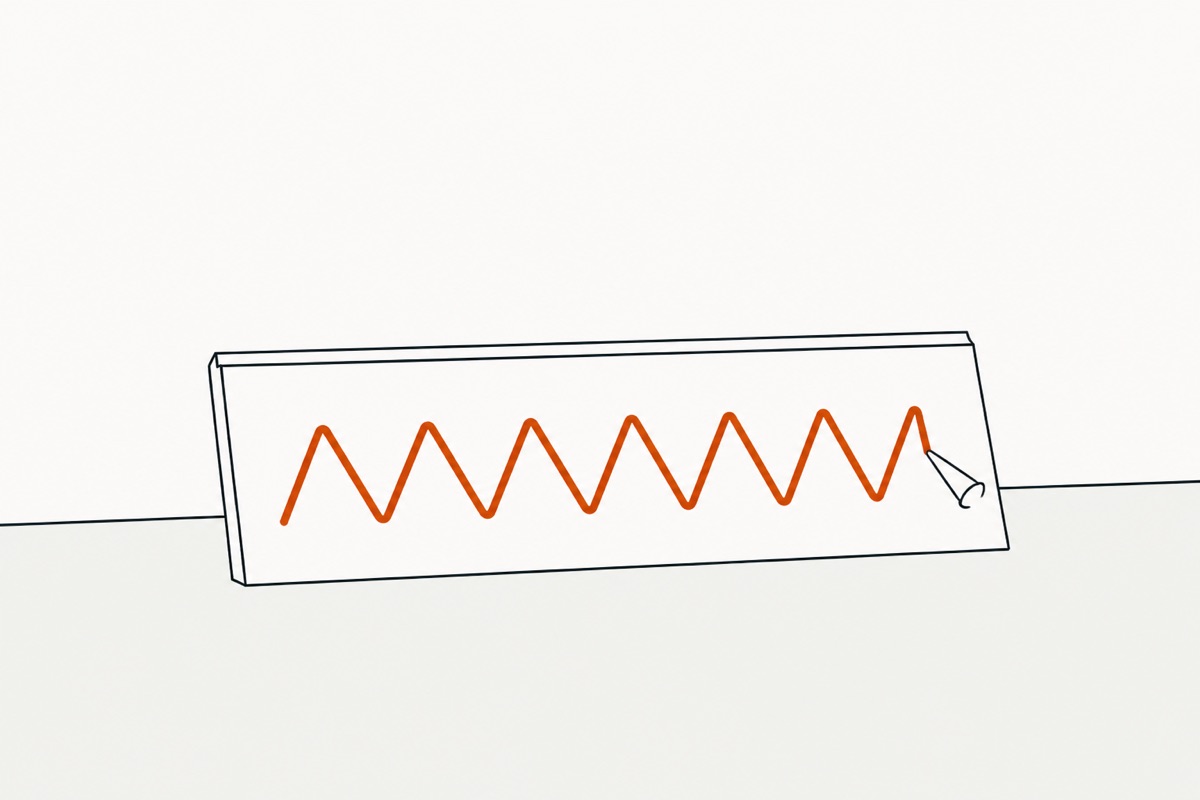
- Press into place, then pull off for a minute to let it flash.
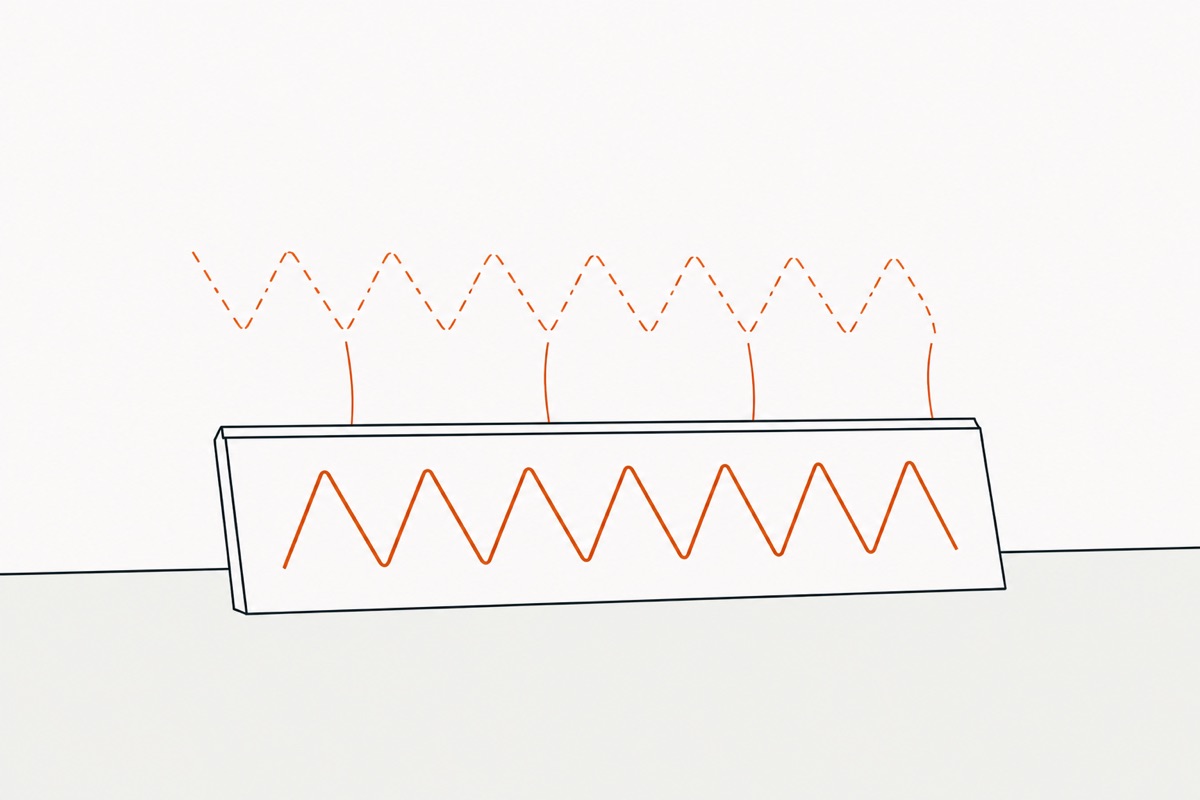
- Press back and nail or brace it at studs while it grabs.
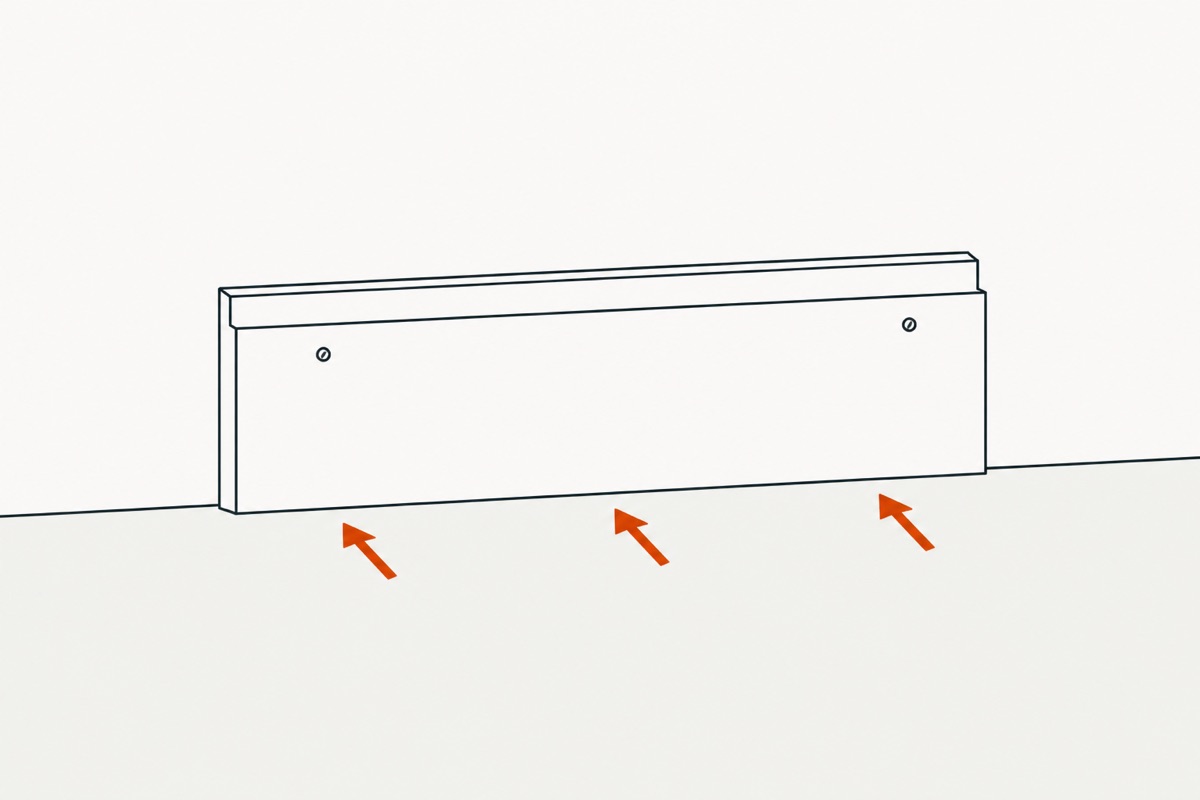
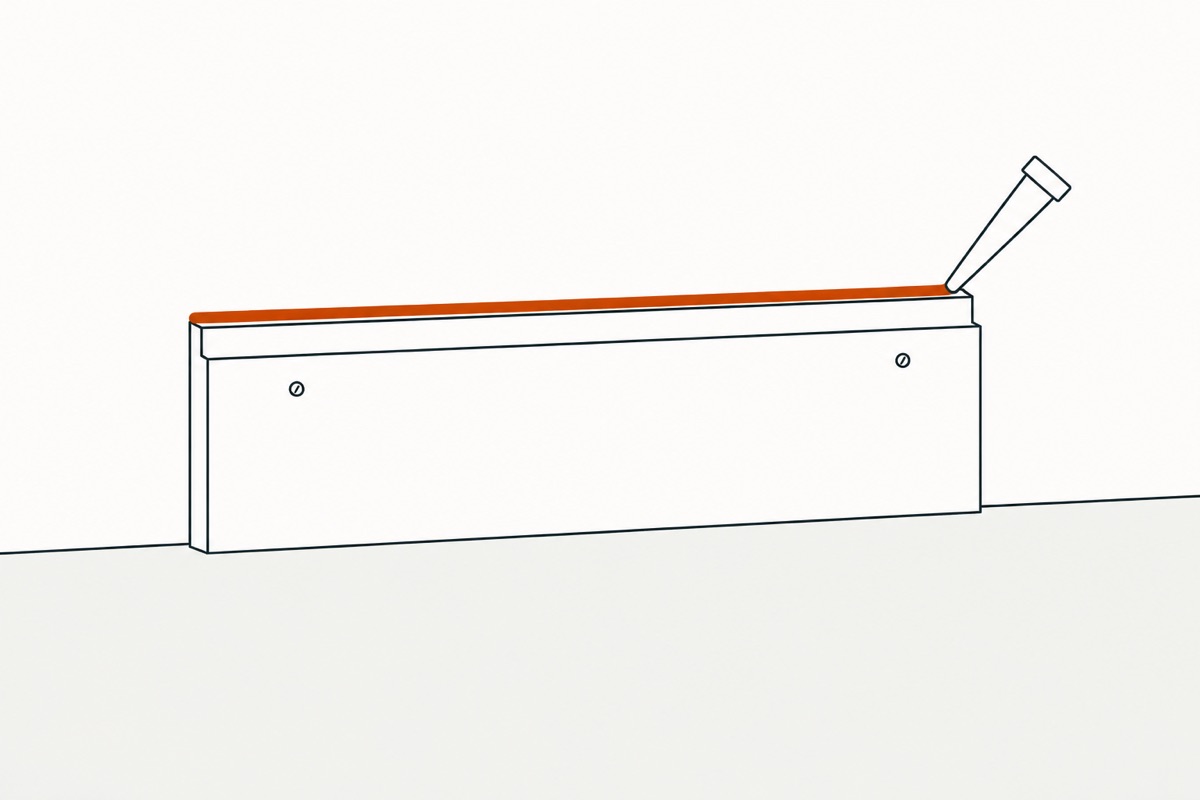
- Caulk the top edge with paintable caulk once cured.
Conditions
When the answer changes
On flat new drywall, finishing nails alone may be enough — adhesive earns its keep on wavy walls and masonry. Bathrooms want a mold-resistant formula.
Alternatives
What else works
It soaks into the grain and cures stronger than the wood itself.
It bonds to surfaces wood glue cannot, and fills a gap instead of shrinking into one — the reason to reach past PVA on a loose joint or a mixed-material one.
Better when: Gap or poor fit, Outdoor exposure
Waterproof, and it foams into the grain rather than just drying on it — but the expansion pushes the joint apart unless it is properly clamped.
Better when: Outdoor exposure
The answer for gluing a laminate or veneer sheet down flat with no clamps — never for a joint that carries load.
Bonds fine to bare wood and stays flexible, but it seals rather than joins — use it where the wood meets glass, tile, or a wet surface.
Better when: Water immersion, Flexing or movement
Only when the other side is cloth: it grips bare wood well enough for upholstery but has no strength as a wood joint.
Avoid
What not to use
Avoid
Spray adhesive
Spray adhesive — it tacks paper and cloth to wood, but as a wood-to-wood joint it is a film that peels.
Avoid
Super glue (CA)
Super glue alone — it grabs wood, but cures brittle and bridges gaps poorly.
Avoid
Solvent cement
Solvent cement — it joins by dissolving plastic, and there is nothing in wood for it to dissolve, so it soaks in, evaporates, and leaves the joint dry.
Questions
Common questions
- Should baseboard be installed with adhesive or nails?
- Nails are often enough on a flat framed wall. Adhesive helps distribute the hold on uneven walls or surfaces where useful fastening points are limited, while nails or bracing keep the trim positioned as it cures.
- Why keep the adhesive bead away from the trim edges?
- Adhesive placed too close to an edge can squeeze onto the finished face, floor, or wall. Leaving room at the edges also keeps the top joint available for a neat caulk line.
- Can construction adhesive go directly over wall paint?
- Only if the paint is clean, firmly bonded, and accepted by the adhesive instructions. Loose, chalky, or glossy coatings can become the weak layer, so remove unsound material and prepare the surface as directed.
- Will more adhesive fix a large gap behind baseboard?
- A thick construction adhesive can accommodate minor waviness, but a large or changing gap should be corrected by scribing, shimming, or repairing the wall. An oversized glue bed makes alignment and curing less predictable.