Material pair
How to Glue Fabric to Rubber
Use Contact cement for most fabric-to-rubber joints. Holds well on heavy canvas and upholstery, but it soaks in and stiffens light cloth.
Best Adhesive for Fabric to Rubber
Holds well on heavy canvas and upholstery, but it soaks in and stiffens light cloth.
Not for: Water immersion
Derived from our material compatibility data.
Why Contact cement Works
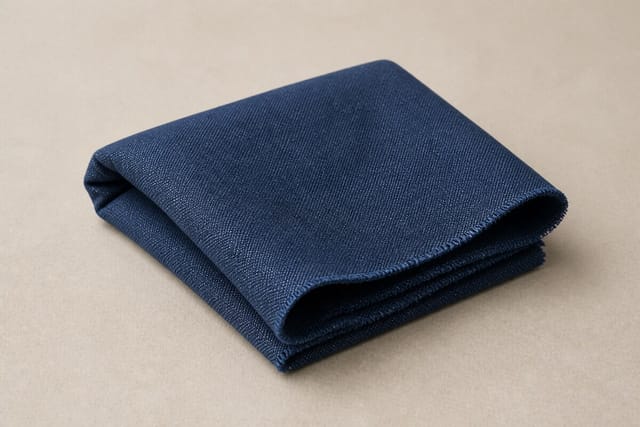
- Soft, porous, and constantly flexing — the adhesive has to stay flexible too, or the seam becomes a stiff ridge that cracks.
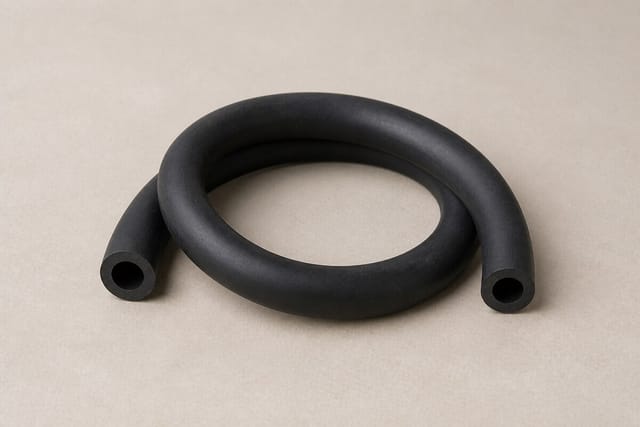
- Flexible and slightly oily — it needs a bond that flexes with it, plus a quick scuff so the glue has something to grip.
- Holds well on heavy canvas and upholstery, but it soaks in and stiffens light cloth.
- The shoe-repair answer: it flexes with the rubber and covers a whole sole evenly.
Preparation
How to Prepare Fabric and Rubber for Gluing
Conditions
When to Use Polyurethane Instead
Use Polyurethane
Use Polyurethane
Use Polyurethane
Fabric and rubber joints experience severe repeated bending and shear stretching in shoes and outdoor gear. Rigid super glues or standard epoxies crack instantly. Flexible contact cement or polyurethane rubber adhesive cures with the exact elasticity needed to move with the materials.
Alternatives
Other Adhesives That Work
Stays as flexible as the rubber, which suits a thin sheet or a rubber-backed textile — but it is a light-duty bond.
Waterproof and strong, but it foams through the weave and leaves a hard ridge.
Better when: Outdoor exposure, Water immersion, Flexing or movement
The patch for an awning or a tent: waterproof and endlessly flexible, though it leaves a visible rubbery band.
Better when: Water immersion, Outdoor exposure, Flexing or movement
Products
Products for Bonding Fabric to Rubber
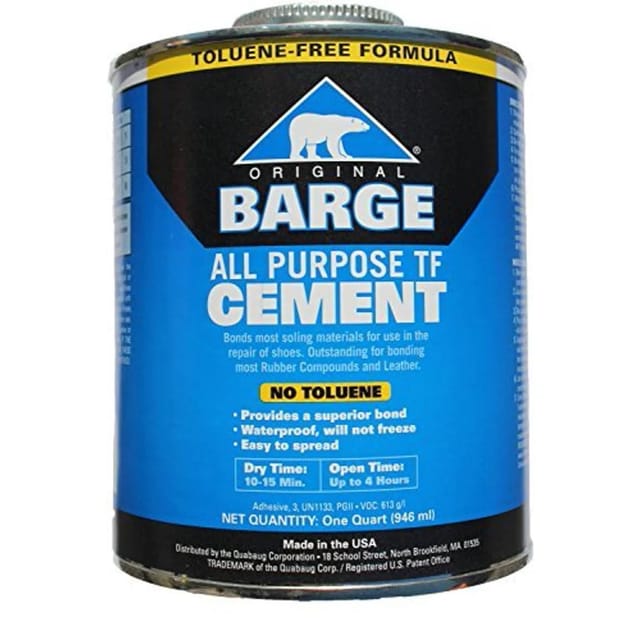
- Barge All-Purpose CementThe professional gold standard for shoe repair, leathercrafting, boot resoling, rubber soles, and heavy fabric laminations — waterproof, permanent, and stays flexible under repeated bending.
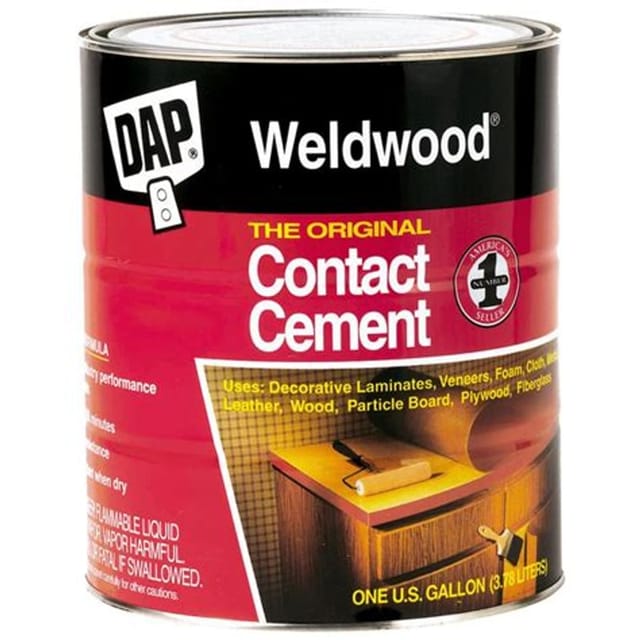
- DAP Weldwood Original Contact CementHigh-pressure laminate on countertops, tabletops, and cabinets; also veneer, leather, fabric, and rubber — a full-coverage bond that needs no clamps.
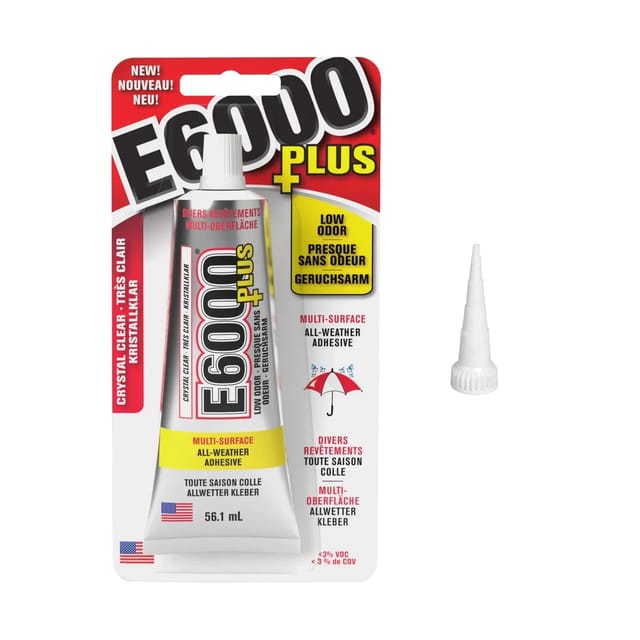
- E6000 Craft & Industrial AdhesiveHigh-strength, flexible bonding across mixed materials — the legendary craft and repair adhesive for jewelry, glass to metal, fabric to leather, and shoe repairs.
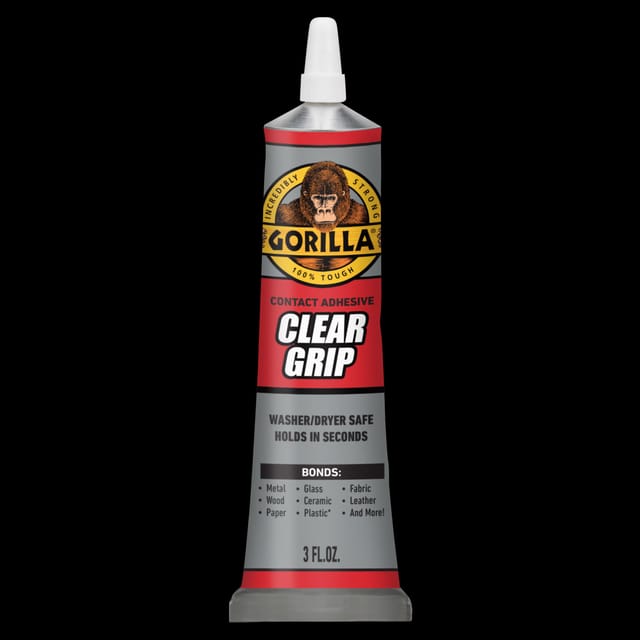
- Gorilla Clear Grip Contact AdhesiveCrystal-clear, flexible, waterproof contact bonding across crafts, home repairs, leather, fabric, wood, metal, glass, and ceramic.
Questions
Common Questions About Gluing Fabric to Rubber
- Can you glue fabric to rubber?
- Yes. Solvent-based contact cement (like Barge) or flexible shoe repair adhesive (Shoe Goo) forms a strong, rubbery bond that flexes with walking and washing.
- Can I use super glue on fabric and rubber shoes?
- No. Cyanoacrylate soaks into fabric weave, making it brittle and stiff, and cracks open the first time the rubber sole flexes under your step.
- Is a fabric-to-rubber glued seam waterproof?
- Yes. Fully cured contact cement and polyurethane adhesives are 100% waterproof and resist puddle immersion, mud, and rain without peeling.
- Can you machine wash and dry glued fabric and rubber items?
- Cold machine washing and air drying is completely safe. Avoid hot machine dryers, as high heat can reactivate and soften thermoplastic contact adhesives.