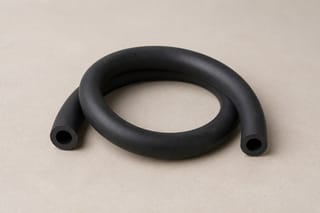
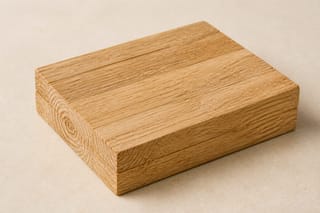
Material pair
How to Glue Rubber to Wood
Use contact cement for bonding flat rubber sheets, stair treads, and gaskets to wood — it grips instantly and stays flexible. For outdoor weatherstripping or wet conditions, polyurethane glue delivers maximum weatherproofing.
Best Adhesive for Rubber to Wood
Grips on contact across large flat areas like non-slip stair treads and flexes with the rubber without peeling.
Not for: Load-bearing / shear, Water immersion
Reviewed and adjusted by an editor.
Why Contact cement Works
- Flexible and slightly oily — it needs a bond that flexes with it, plus a quick scuff so the glue has something to grip.
- Porous and slightly forgiving — glue soaks in, and a well-glued joint ends up stronger than the wood around it. Oily hardwoods like teak need a solvent wipe first.
- The shoe-repair answer: it flexes with the rubber and covers a whole sole evenly.
- The answer for gluing a laminate or veneer sheet down flat with no clamps — never for a joint that carries load.
Conditions
When to Use Polyurethane glue Instead
Rubber stretches and flexes underfoot, requiring a flexible contact cement or polyurethane bond. Avoid rigid epoxy, which snaps off the rubber as soon as it bends.
Alternatives
Other Adhesives That Work
Waterproof and tough for outdoor rubber ramps, garden steps, or weatherstripping exposed to rain.
Better when: Outdoor exposure, Water immersion
Quickly reattaches small static rubber feet, drawer bumpers, and chair glides to bare wood.
Avoid
What not to use
Avoid
2-part epoxy
Epoxy cures rigid and pops off the rubber face the first time the rubber flexes or compresses.
Avoid
Wood glue (PVA)
PVA wood glue cannot penetrate non-porous rubber and peels off in a sheet.
Products
Products for Bonding Rubber to Wood
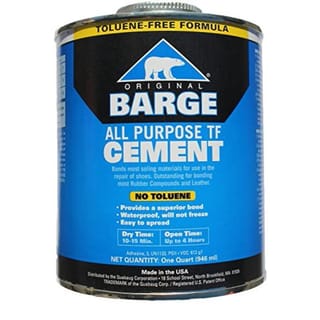
- Barge All-Purpose CementThe professional gold standard for shoe repair, leathercrafting, boot resoling, rubber soles, and heavy fabric laminations — waterproof, permanent, and stays flexible under repeated bending.
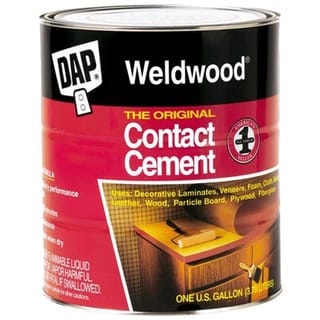
- DAP Weldwood Original Contact CementHigh-pressure laminate on countertops, tabletops, and cabinets; also veneer, leather, fabric, and rubber — a full-coverage bond that needs no clamps.
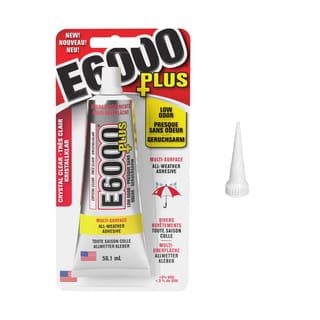
- E6000 Craft & Industrial AdhesiveHigh-strength, flexible bonding across mixed materials — the legendary craft and repair adhesive for jewelry, glass to metal, fabric to leather, and shoe repairs.
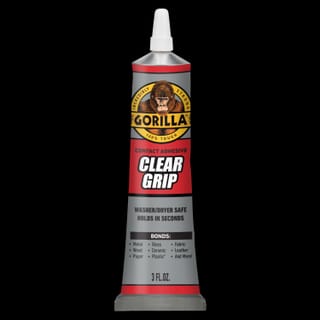
- Gorilla Clear Grip Contact AdhesiveCrystal-clear, flexible, waterproof contact bonding across crafts, home repairs, leather, fabric, wood, metal, glass, and ceramic.
Questions
Common Questions About Gluing Rubber to Wood
- What is the best glue to install non-slip rubber treads on wooden stairs?
- Solvent-based contact cement (such as Weldwood or Barge) is the standard method. Coat both the wooden step and the back of the rubber tread, let dry until tacky (15–20 minutes), then press firmly with a roller for an instant, permanent hold.
- How do I glue replacement rubber feet onto wooden chair legs?
- Clean the wood and rubber with rubbing alcohol, apply a drop of rubber-toughened super glue gel, and press firmly for 30 seconds. For heavy outdoor patio furniture, use polyurethane adhesive with light clamping.
- Can I use standard PVA wood glue on rubber?
- No. Standard PVA wood glues rely on water evaporating into porous wood fibers from both surfaces. Rubber is completely non-porous, so PVA glue dries weak and peels off cleanly like dried skin.
- How do I remove old contact cement from wood before applying a new rubber strip?
- Soften the old adhesive residue using mineral spirits, acetone, or a dedicated citrus adhesive remover. Scrape with a stiff metal putty knife and sand smooth before reapplying fresh adhesive.