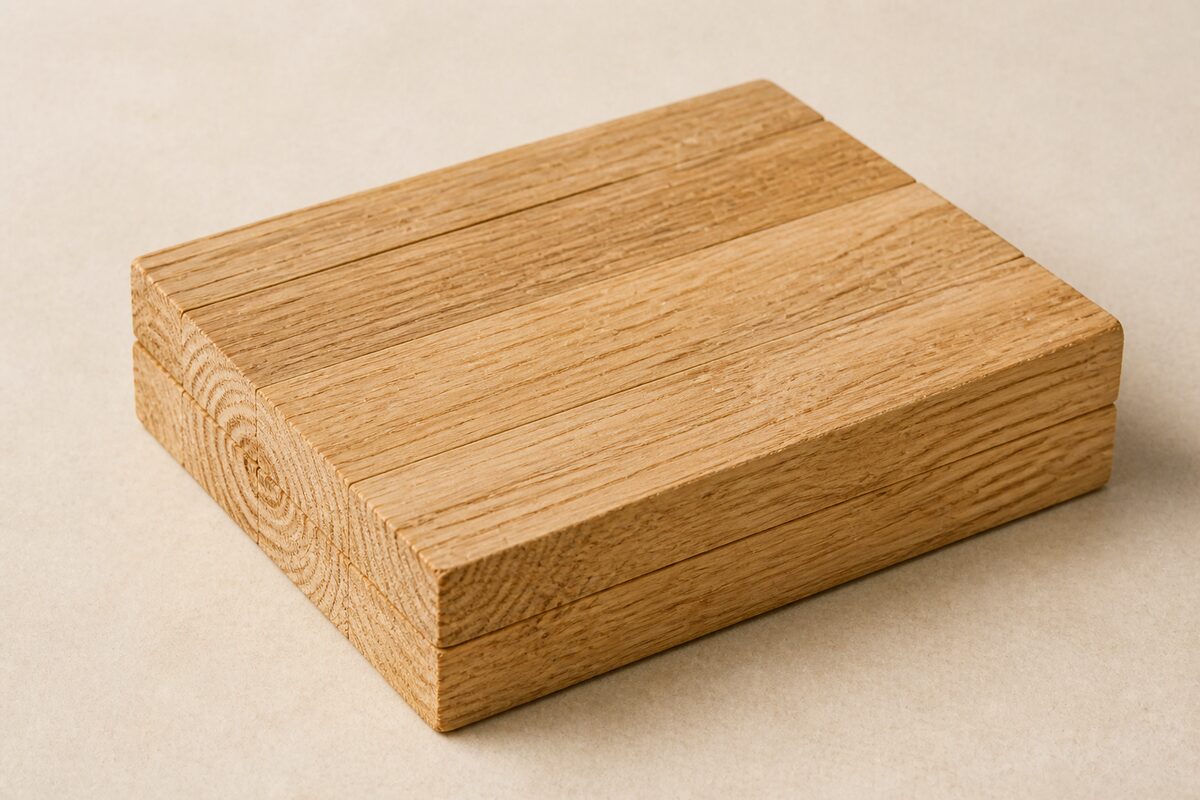
Best bet
The waterproof Type I formula survives constant soil moisture — interior PVA would let go.
Reviewed and adjusted by an editor.
Why this answer
- Porous and slightly forgiving — glue soaks in, and a well-glued joint ends up stronger than the wood around it. Oily hardwoods like teak need a solvent wipe first.
- It soaks into the grain and cures stronger than the wood itself.
- The waterproof Type I formula survives constant soil moisture — interior PVA would let go.
How to do it
Step by step
- Empty the planter and let the wood dry out fully — glue won't hold on damp wood.
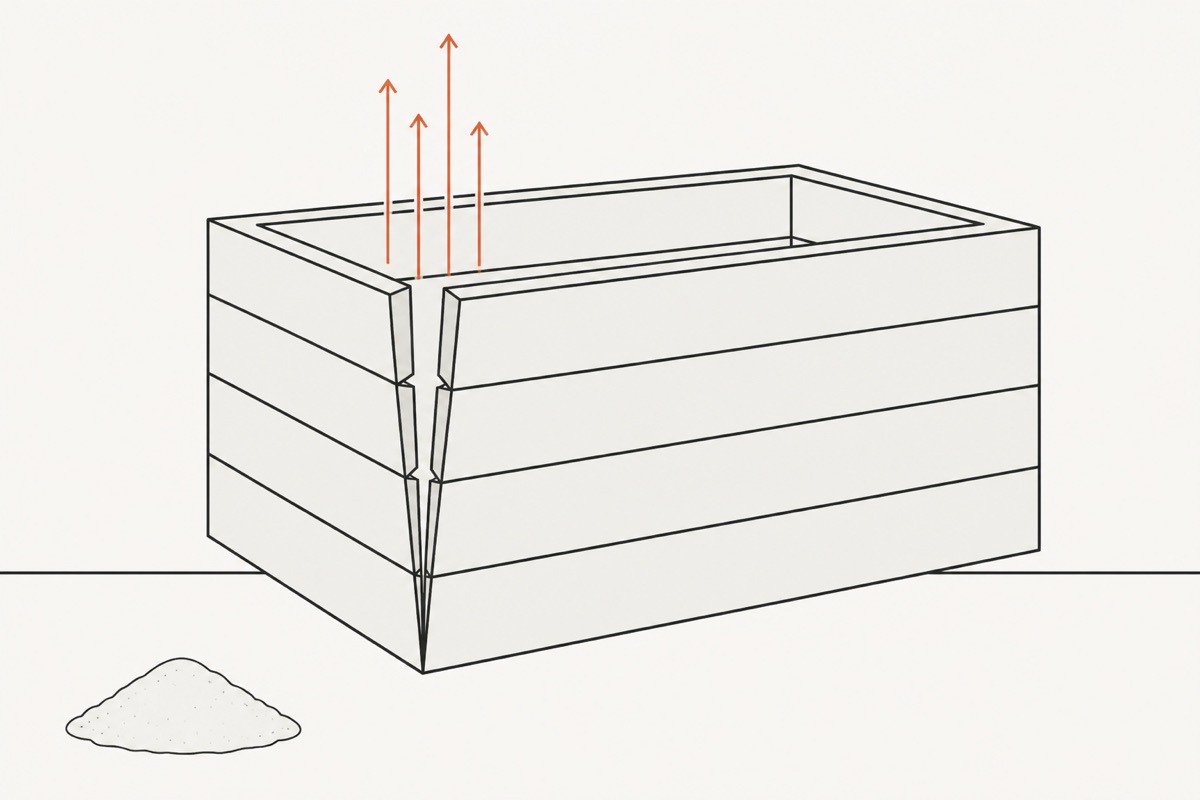
- Scrub off soil and algae; sand the joint faces to fresh fibers.
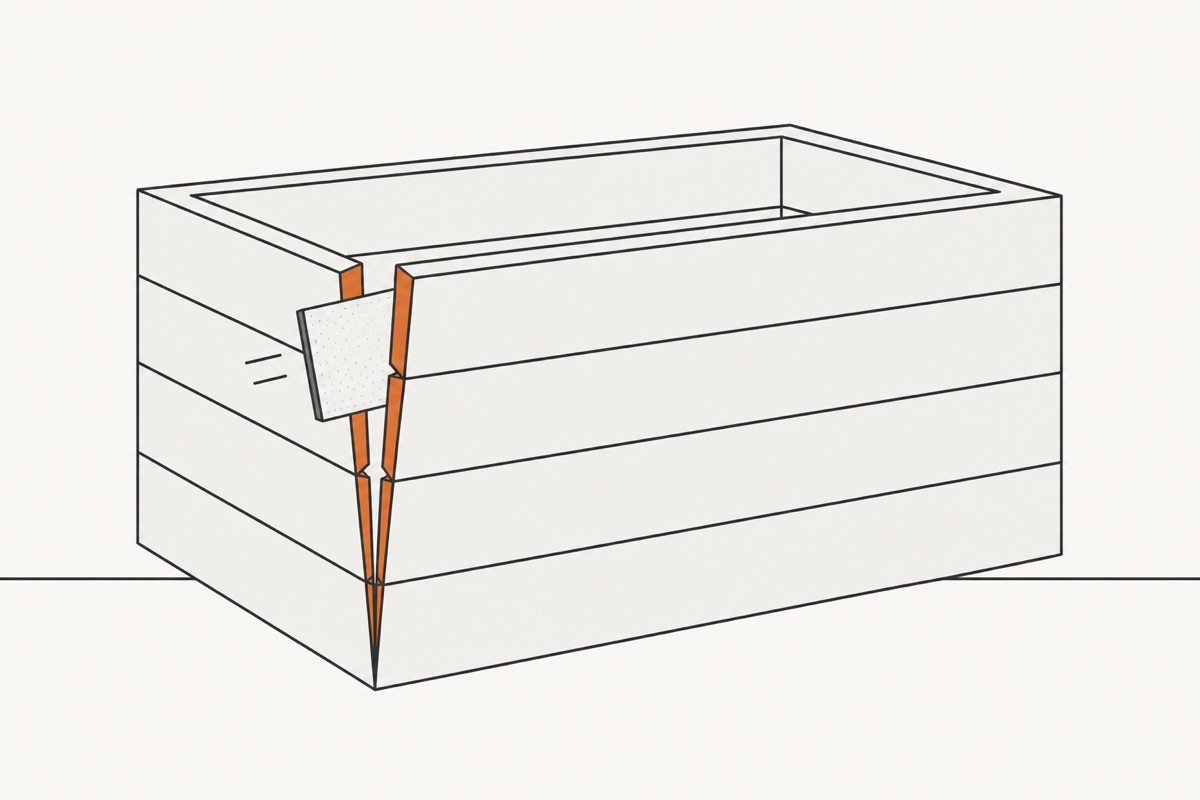
- Dry-fit the boards and check the joints close snugly.
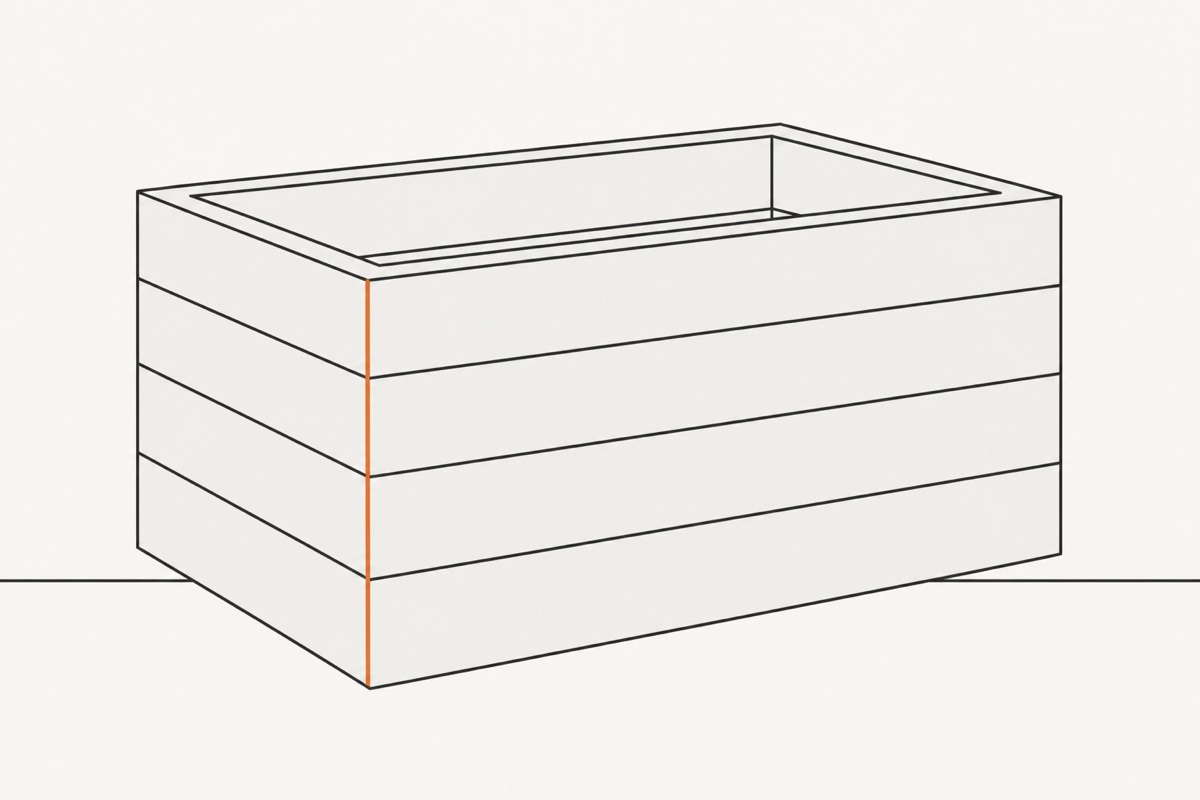
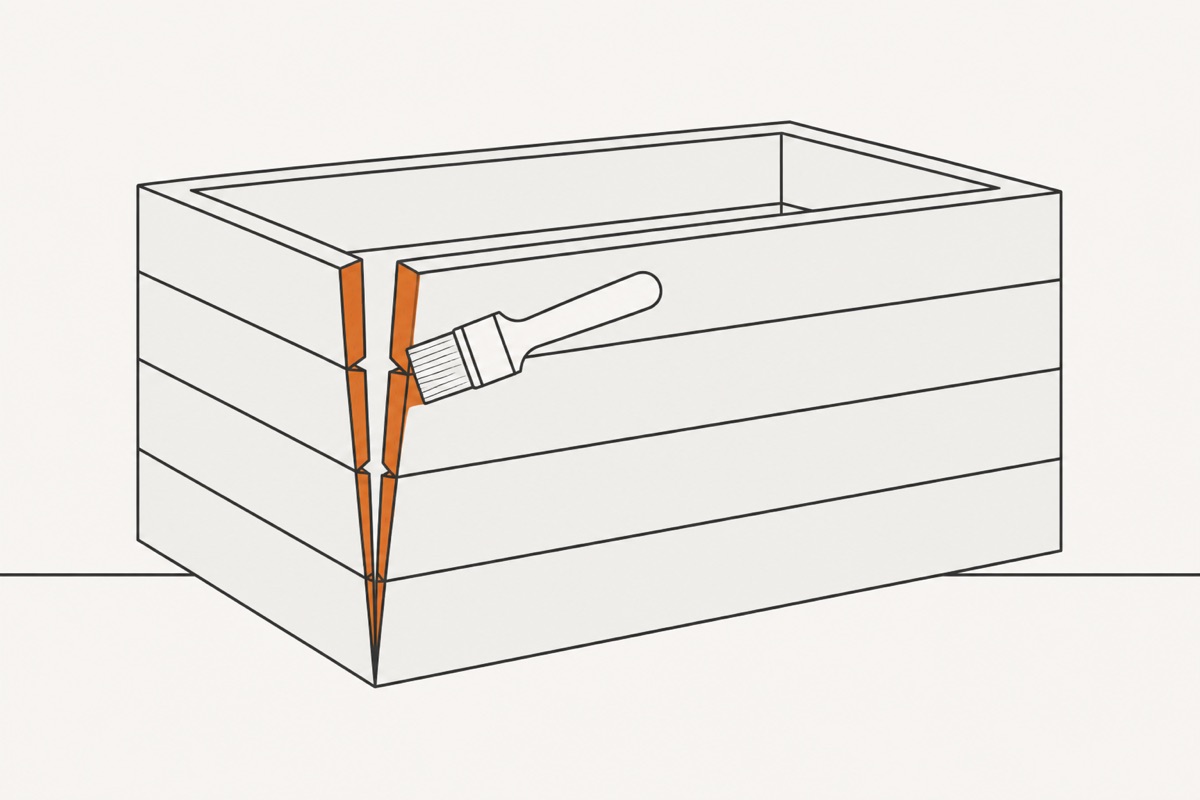
- Brush waterproof wood glue onto both faces.
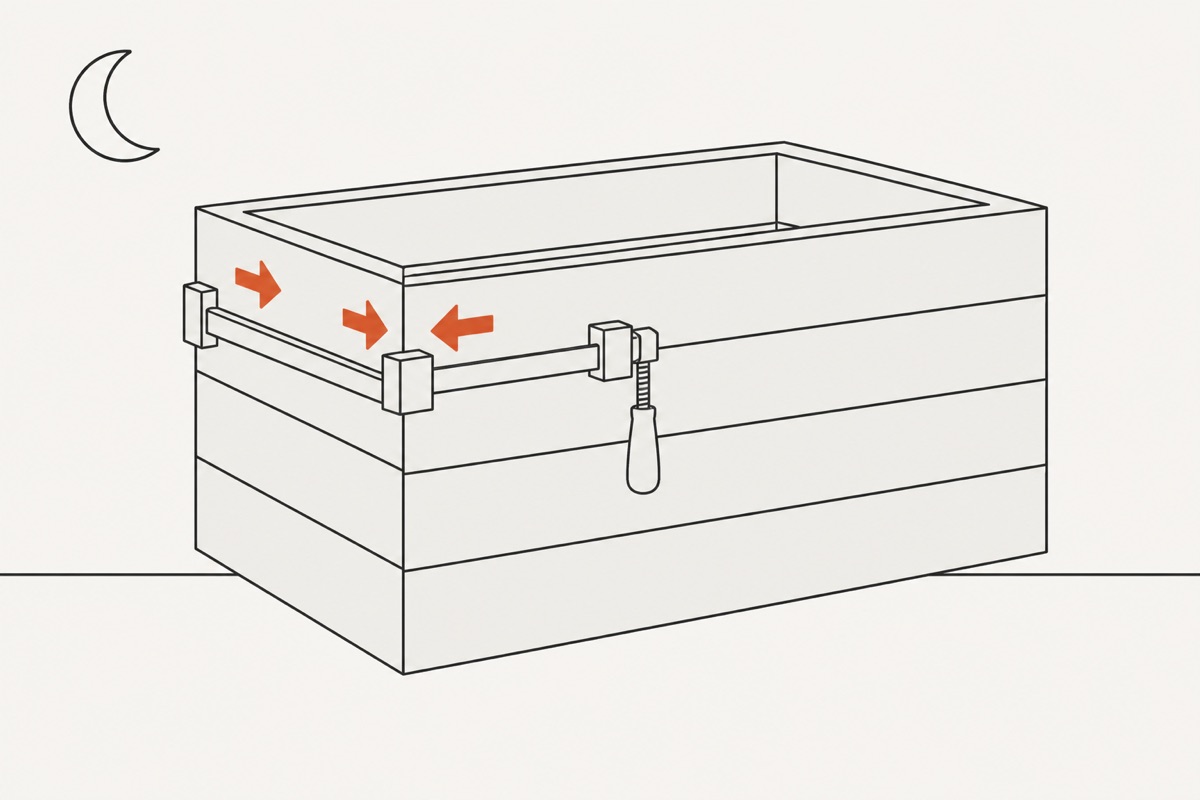
- Clamp or screw the joint while it cures overnight before refilling with soil.
Conditions
When the answer changes
Use Polyurethane
If the joints are gappy or the wood is warped, switch to polyurethane glue — it fills and is 100% waterproof. If a board is rotted through, replace the board; glue won't save rotten wood.
Alternatives
What else works
Waterproof, and it foams into the grain rather than just drying on it — but the expansion pushes the joint apart unless it is properly clamped.
Better when: Gap or poor fit
It bonds to surfaces wood glue cannot, and fills a gap instead of shrinking into one — the reason to reach past PVA on a loose joint or a mixed-material one.
Better when: Gap or poor fit, Outdoor exposure
A bead thick enough to span the gap between a board and an uneven wall — right for trim and panels, far too coarse for a furniture joint.
Better when: Gap or poor fit
The answer for gluing a laminate or veneer sheet down flat with no clamps — never for a joint that carries load.
Bonds fine to bare wood and stays flexible, but it seals rather than joins — use it where the wood meets glass, tile, or a wet surface.
Better when: Water immersion, Flexing or movement
Only when the other side is cloth: it grips bare wood well enough for upholstery but has no strength as a wood joint.
Avoid
What not to use
Avoid
Interior wood glue
Interior PVA (like standard Elmer's) — constant moisture re-softens the joint.
Avoid
Spray adhesive
Spray adhesive — it tacks paper and cloth to wood, but as a wood-to-wood joint it is a film that peels.
Avoid
Super glue (CA)
Super glue alone — it grabs wood, but cures brittle and bridges gaps poorly.
Avoid
Solvent cement
Solvent cement — it joins by dissolving plastic, and there is nothing in wood for it to dissolve, so it soaks in, evaporates, and leaves the joint dry.
Questions
Common questions
- Can I reglue a planter while the wood is still damp?
- Let the planter empty and dry first, then follow the adhesive's moisture requirements. Trapped moisture, swollen wood, and a wet bond surface can all prevent a durable fit and make the finished joint difficult to judge.
- How do I tell whether planter wood is too rotten to glue?
- Probe around the joint after cleaning it. Wood that is soft, crumbling, or no longer holds its shape cannot provide sound fibers for the adhesive, so replace that board or section instead of gluing over decay.
- Should an outdoor planter repair use both glue and screws?
- They can complement each other: the adhesive seals and distributes load along a fitted joint, while corrosion-resistant fasteners hold alignment and add mechanical support. Fasteners cannot make rotten or badly fitted wood sound.
- How can I help the repaired joint last outdoors?
- Restore drainage, keep wet soil away from exposed joint edges when possible, and renew the planter's protective finish after the adhesive has cured. Standing water and continually wet end grain shorten the life of both wood and repair.