Article
When NOT to use original Gorilla Glue (and how to tame it)
Original Gorilla Glue expands 3–4x into a yellow foam that ruins finishes and stains skin for days. Here is when polyurethane glue shines, and when it is the wrong tool.
Safety note
The expansion surprise
Original Gorilla Glue (liquid polyurethane) is famous for holding almost anything together. But for first-time users, it is also the source of more ruined repair projects than almost any other adhesive.
Polyurethane glue cures by reacting with moisture in the air and materials. As it cures, it releases carbon dioxide gas and expands to 3 to 4 times its original volume. What started as a thin liquid bead oozes out of the joint as a hard, yellowish-brown crust.
Crucial fact: The expanded foam has zero structural strength. It is lightweight aerated polyurethane that can be crushed with a fingernail. It does not fill structural gaps or compensate for loose-fitting joints.
When NOT to use original Gorilla Glue
Never reach for original polyurethane glue in these common home scenarios:
- Indoor fine furniture without heavy clamps: The expanding glue creates enough internal pressure to push un-clamped joint pieces apart.
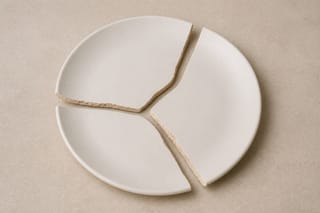
- Hairline porcelain or glass breaks: The brown glue line is thick, impossible to hide, and will permanently stain the crack.
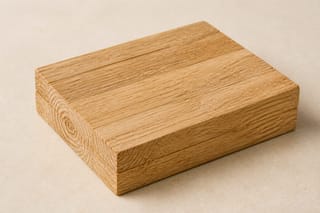
- Loose wooden chair rungs with wide gaps: The foam will puff up to fill the void, but it will crumble under sitting weight within a week. Use gap-filling epoxy or a wooden shim with PVA glue instead (see tighten a loose chair leg).
- Barehanded repairs: Polyurethane glue reacts with skin proteins, turning your hands dark black or brown. It cannot be washed off with soap, acetone, or solvents — you have to wait 3 to 7 days for the skin to naturally shed.
When it is genuinely the best glue
When used correctly, single-part polyurethane is unmatched in specific demanding conditions:
- 100% waterproof outdoor wood projects: Surpasses ordinary PVA glues when bonding outdoor planters, gates, patio furniture, and garden trellises exposed to constant rain and freezing (see repair an outdoor wood planter).
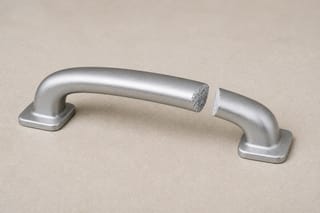
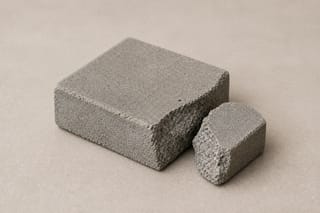
- Mixed-material transitions: Excellent for joining non-porous and porous surfaces together, such as wood to concrete, stone, or metal.
- End-grain wood bonding: Polyurethane wicks deep into end-grain fibers without becoming starvingly dry like standard wood glue.
The 4 rules for using it without the mess
- Dampen one surface only: Polyurethane requires moisture to kick off curing. Lightly mist or wipe one surface with a damp cloth. Leave the other surface dry.
- Apply sparingly: Use one-third the amount of glue you think you need. A pencil-thin thread down the center of the seam is plenty.
- Clamp with real pressure: Tight clamping is mandatory for the entire clamp time (1 to 2 hours minimum). Clamps force the liquid glue into the microscopic pores and keep the expanding foam from pushing the seam apart.
- Do not wipe wet squeeze-out: Wiping fresh wet polyurethane smears a sticky film across your workpiece and stains the wood grain forever. Let it cure completely, then slice off the hardened dry foam beads with a sharp chisel or scraper.