Guide
Reattach loose car door weatherstripping
Use black automotive weatherstrip adhesive or contact cement to reattach loose rubber door seals. It stays rubbery and waterproof through slamming and summer heat.
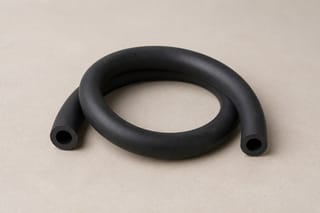
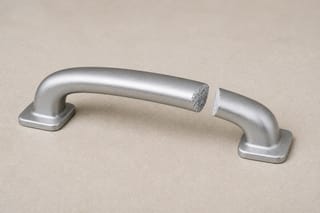
This task involves: Outdoor exposure, Flexing or movement, Heat exposure
Best Glue for This Repair
Automotive weatherstrip adhesive / contact cement
Stays permanently flexible, bonds dense EPDM rubber to painted metal, and withstands road vibration and summer sun.
Not for: Load-bearing / shear, Heat exposure
Reviewed and adjusted by an editor.
Why Automotive weatherstrip adhesive / contact cement Works Here
- Flexible and slightly oily — it needs a bond that flexes with it, plus a quick scuff so the glue has something to grip.
- Smooth, dense, and non-porous — the glue sits entirely on the surface, so scuffing and degreasing matter more than which glue you pick.
- The shoe-repair answer: it flexes with the rubber and covers a whole sole evenly.
- For facing metal with laminate, rubber, or leather over a wide area; degrease first, and expect it to soften if the metal gets hot.
How to do it
Reattach loose car door weatherstripping: Step by Step
- Pull back the loose section of rubber seal and use blue painter's tape to mask off adjacent automotive paintwork.
- Scrape off flaky old adhesive residue, then wipe both the rubber channel and the metal door frame thoroughly with isopropyl rubbing alcohol.
- Apply a thin, continuous bead of automotive weatherstrip adhesive onto both the metal channel and the rubber mating surface.
- Allow the adhesive to tack up slightly for 1 to 2 minutes, then press the rubber firmly into the channel from one end to the other.
- Secure the weatherstrip tightly against the door frame with strips of painter's tape and keep the door ajar until the adhesive cures completely.
Conditions
When to Use 100% silicone adhesive sealant Instead
Never use standard super glue on weatherstripping — it cures rigid and brittle, snapping within weeks under door impacts and outdoor temperature swings.
Alternatives
Other Adhesives That Work
100% silicone adhesive sealant
Waterproof and heat resistant, but requires several hours of continuous tape clamping because it lacks instant contact tack.
Better when: Water immersion, Flexing or movement
Avoid
Glues to Avoid for This Repair
Avoid
Cyanoacrylate (Super glue)
Super glue cures rigid and crystalline; door vibration, slamming impacts, and summer sun heat will snap the bond.
Questions
Common Questions About This Repair
- Why does ordinary super glue fail on car door rubber seals?
- Super glue (cyanoacrylate) cures into a rigid, non-flexible plastic. Car doors subject the rubber to constant compression, vibration, and temperature cycling, which fractures the brittle super glue bond line quickly.
- What is the best adhesive to buy for car weatherstripping?
- Dedicated automotive weatherstrip adhesive (such as 3M Super Weatherstrip and Gasket Adhesive, available in black or yellow) or high-grade neoprene contact cement is the industry standard.
- Can I close the car door while the weatherstrip glue cures?
- Keep the door slightly ajar while the glue cures. Closing the door forces the rubber against the door jamb, which can squeeze adhesive onto the door sill or shift the gasket out of proper alignment before it sets.
- How do I clean old factory weatherstrip glue off the car frame?
- Use an adhesive remover safe for automotive clearcoats or isopropyl alcohol with a plastic razor blade. Avoid harsh acetone or lacquer thinner, which will dissolve or dull automotive paint.