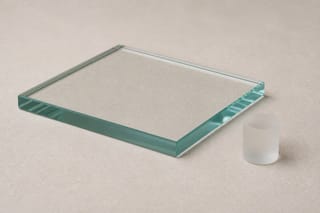
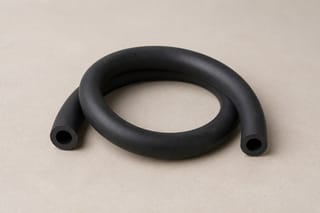
Material pair
How to Glue Glass to Rubber
Use 100% silicone adhesive for glass-to-rubber seals, gaskets, and weatherstripping — it flexes with thermal movement and stays waterproof. For tiny, non-flexing rubber bumpers or feet on glass, use super glue gel.
Best Adhesive for Glass to Rubber
100% silicone adhesive & sealant
Stays flexible and waterproof, accommodating different thermal expansion rates between rubber and glass without stressing the joint.
Not for: Load-bearing / shear
Reviewed and adjusted by an editor.
Why 100% silicone adhesive & sealant Works
- Non-porous and unforgiving — any grease film or fingerprint weakens the joint and stays visible through the glass forever.
- Flexible and slightly oily — it needs a bond that flexes with it, plus a quick scuff so the glue has something to grip.
- The right answer when the joint gets wet or has to move — it stays flexible for decades.
- Flexible and waterproof, right for seals and gaskets rather than load-bearing parts.
Conditions
When to Use Super glue gel Instead
Thermal expansion causes glass and rubber to expand at different rates, requiring flexible silicone to absorb shear. For small static bumper pads, super glue gel bonds instantly.
Alternatives
Other Adhesives That Work
Bonds small static rubber feet and bumpers to glass instantly when no flexing or water immersion is expected.
Avoid
What not to use
Avoid
Epoxy
Cures rock-hard and pops off the rubber side as soon as the rubber stretches or bends.
Products
Products for Bonding Glass to Rubber
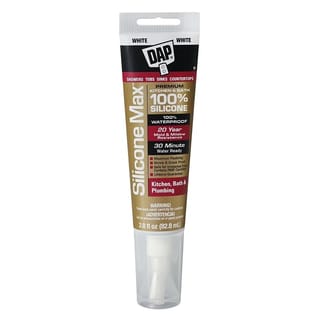
- DAP Silicone Max 100% Silicone SealantKitchen, bath, window, door, and siding perimeter sealing — features maximum flexibility (ASTM C920 Class 50), 30-minute water-ready time, and a 20-year mold and mildew resistance guarantee.
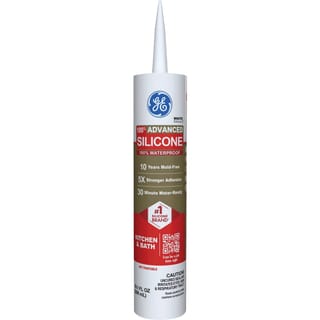
- GE Advanced Silicone 2 Kitchen & BathSealing around tubs, showers, sinks, tile, and countertops — flexible, waterproof, and long-lived.
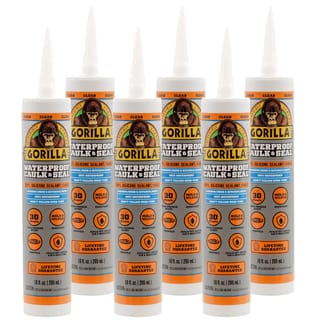
- Gorilla 100% Silicone SealantIndoor and outdoor waterproof sealing for kitchen, bath, window, door, auto, and marine applications — 30-minute water ready and mold/mildew resistant.
Questions
Common Questions About Gluing Glass to Rubber
- What is the best glue for attaching a rubber seal or sweep to a glass shower door?
- 100% clear silicone sealant is the standard choice. It withstands continuous warm water exposure, resists mildew growth, and provides enough elasticity to handle daily door slamming vibration without peeling.
- Can I glue rubber parts inside a glass fish tank?
- Use only 100% pure silicone labeled safe for aquarium use without anti-mildew chemical additives. Allow a full 48 to 72 hours for acetic acid curing vapors to completely clear before filling with water.
- How do I reattach rubber bumper pads to the bottom of a glass tabletop?
- Clean both the glass and rubber thoroughly with rubbing alcohol. Apply a single tiny drop of super glue gel to the rubber pad, press firmly onto the glass for 30 seconds, and leave undisturbed for 10 minutes.
- Why does epoxy fail when bonding rubber to glass?
- Epoxy adheres well to glass but cures into a rigid glass-like matrix. Rubber naturally stretches and flexes under pressure, creating extreme peel stress along the interface that snaps rigid epoxy loose.