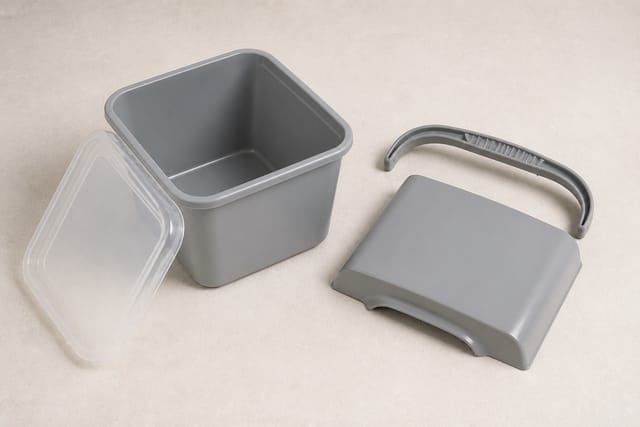
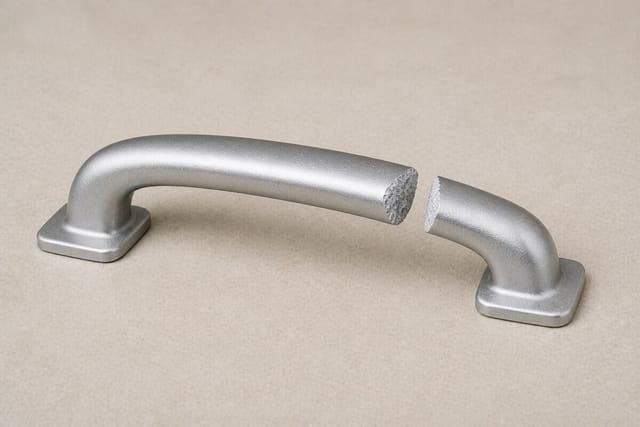
Material pair
How to Glue Fiberglass (FRP / GRP) to Metal
Use 2-part structural epoxy (like J-B Weld Original) or structural polyurethane adhesive (like 3M 5200) for high-strength fiberglass-to-metal joints on boats, RVs, and auto body panels.
Best Adhesive for Fiberglass (FRP / GRP) to Metal
2-part structural epoxy (J-B Weld)
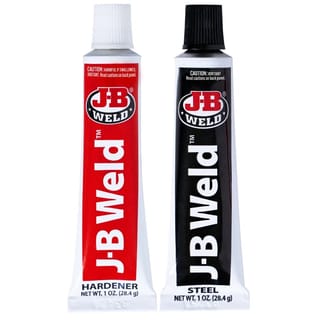
Forms an extremely strong, machinable bond that fills gaps between irregular fiberglass weave and metal.
Extra prep
- Grind or sand the bonding area with 80-grit abrasive until glass fibers are exposed, and wipe clean with acetone.
Reviewed and adjusted by an editor.
Why 2-part structural epoxy (J-B Weld) Works
- A high-strength composite consisting of woven or chopped glass fibers set inside a cured thermoset resin. Because the cured resin is thermoset (crosslinked), it cannot be re-melted or chemically solvent-welded. Marine-grade 2-part epoxy is the gold standard for repairs, creating structural bonds that match or exceed original laminate strength. Polyurethane marine adhesives excel on high-vibration hulls and through-hull fittings.
- Smooth, dense, and non-porous — the glue sits entirely on the surface, so scuffing and degreasing matter more than which glue you pick.
- Marine-grade 2-part epoxy wets out and cross-links with the composite resin matrix, creating structural joints stronger than the original fiberglass.
- The strongest rigid bond on a scuffed, grease-free surface.
- Grind or sand the bonding area with 80-grit abrasive until glass fibers are exposed, and wipe clean with acetone.
- Forms an extremely strong, machinable bond that fills gaps between irregular fiberglass weave and metal.
Preparation
How to Prepare Fiberglass (FRP / GRP) and Metal for Gluing
Sand gelcoat with 80-grit sandpaper to remove gloss and wax, wipe clean with acetone.
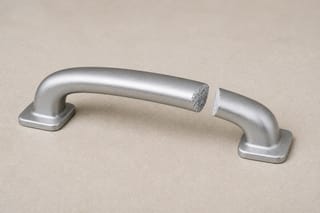
Grind or sand to clean, bare metal with 80-grit paper; remove oil and rust with acetone or brake cleaner.
Conditions
When to Use Marine polyurethane adhesive sealant (3M 5200) Instead
Fiberglass and metal expand at different rates in temperature swings. For boat hulls and RV panels subject to severe vibration and hull twist, flexible polyurethane sealant prevents bond fatigue.
Alternatives
Other Adhesives That Work
Marine polyurethane adhesive sealant (3M 5200)
Permanent, flexible watertight bond engineered for extreme vibration, boat hulls, and RV panels.
Better when: Flexing or movement, Water immersion
Avoid
What not to use
Avoid
Standard super glue
Cannot bridge structural gaps and shatters instantly under mechanical flex or vibration.
Products
Products for Bonding Fiberglass (FRP / GRP) to Metal
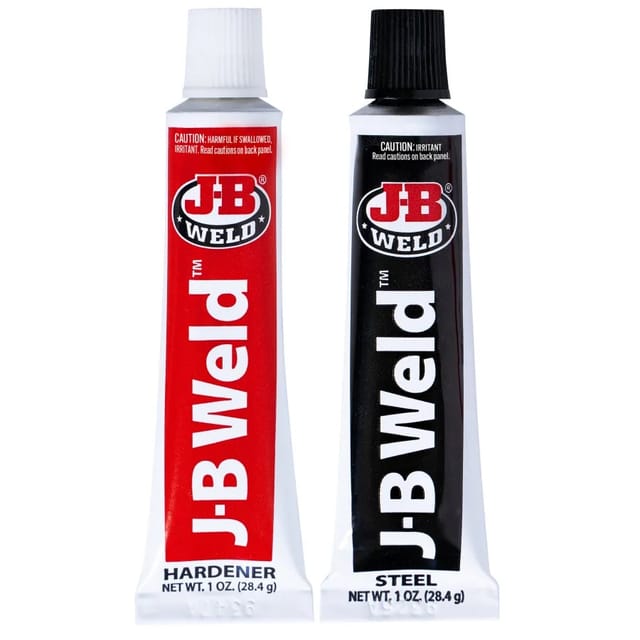
- J-B Weld OriginalRigid metal repairs — a cracked bracket, a stripped hole, a broken tool handle.
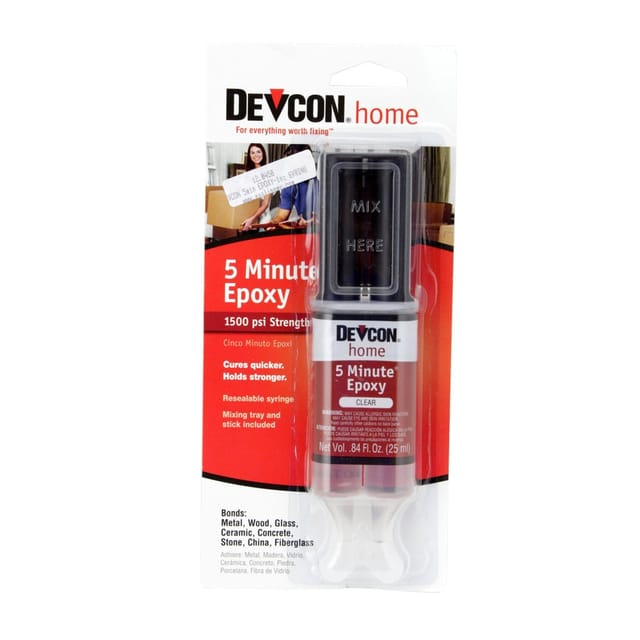
- Devcon 5 Minute EpoxyRapid, crystal-clear bonding on metal, glass, ceramic, wood, and rigid plastics — the benchmark fast-curing 2-part epoxy for jewelry, fine craft, and clean household break repairs.
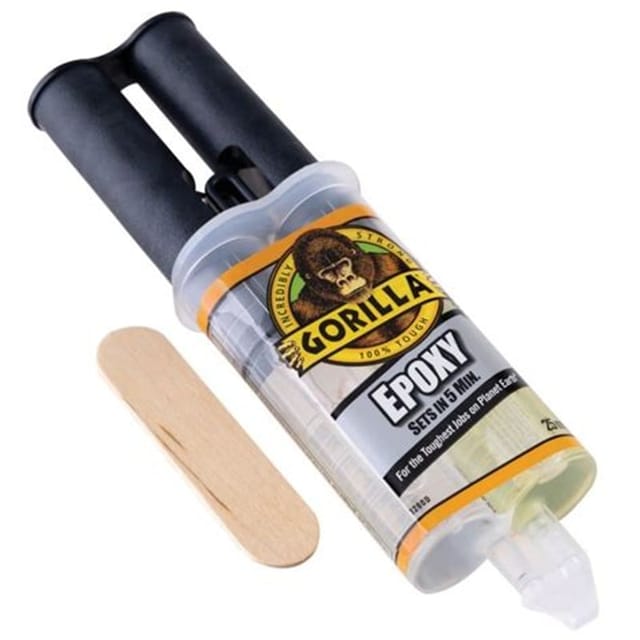
- Gorilla 2-Part EpoxyGeneral household rigid repairs where a clear, gap-tolerant bond matters.
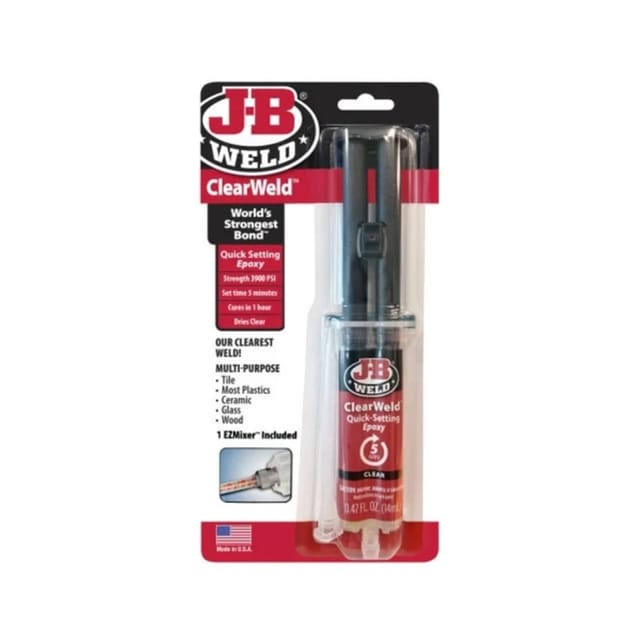
- J-B Weld ClearWeldCrystal-clear structural repairs on glass, ceramic, clear acrylic, tile, jewelry, and decorative metals where dark epoxy lines would be visible.
Questions
Common Questions About Gluing Fiberglass (FRP / GRP) to Metal
- Should I use epoxy or 3M 5200 polyurethane for fiberglass to metal?
- Use epoxy (like J-B Weld) for rigid, structural brackets and engine components where zero flex is required. Use 3M 5200 polyurethane for body panels, through-hull fittings, and boat repairs that flex under vibration and wave impacts.
- Do I need to grind off the gelcoat before gluing?
- Yes. Gelcoat contains slick mold-release wax and is smooth. Sand through the glossy gelcoat with 80-grit paper to expose raw structural resin fibers before applying adhesive.