All glue types
Glue type
Hybrid polymer (MS Polymer)
Silyl-modified polyether (MS polymer) combining polyurethane strength with silicone weather resistance, bonding wet surfaces without solvent odor.
Best for
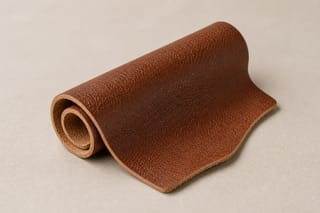
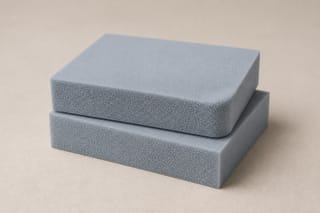
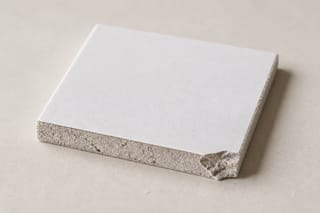
What Hybrid polymer (MS Polymer) Bonds Best
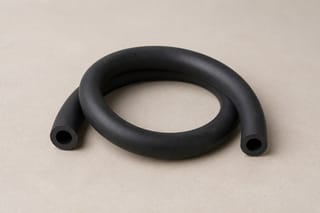
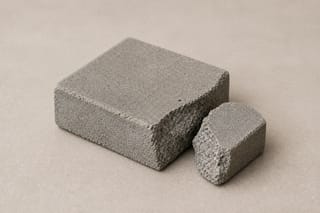
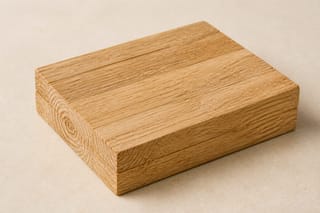
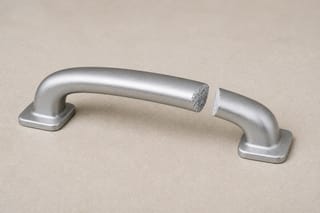
Doesn’t hold on
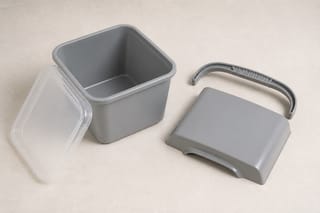
Polypropylene (PP), Polyethylene (PE / HDPE / LDPE)
Wrong tool
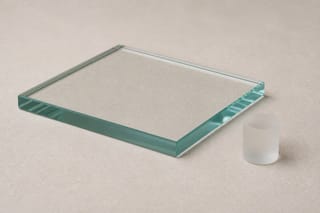
Polyethylene (PE), polypropylene (PP), or structural joints requiring rigid, non-flexible glass bonding.
Using it
How to Use Hybrid polymer (MS Polymer)
- 01Gun directly onto dry, damp, or even submerged non-porous surfaces without specialized primers.
- 02Ideal for mounting heavy mirrors to walls without damaging the reflective silver backing.
- 03Paintable immediately after skinning with water-based paints.
- 04Resists UV yellowing and outdoor weather without shrinking or solvent outgassing.
Material pairs
Material Pairs Hybrid polymer (MS Polymer) Is Best For
Questions
Common Questions About Hybrid polymer (MS Polymer)
- How is a hybrid MS polymer different from standard silicone and polyurethane?
- Hybrid polymers combine the UV weather resistance of silicone with the high bonding strength and paintability of polyurethane. They cure without toxic isocyanates, emit zero solvent odor, and accept water-based paints.
- Can hybrid polymer adhesives bond damp or wet masonry surfaces?
- Yes. Hybrid polymers react directly with moisture to cure, enabling them to form strong, elastic bonds on wet concrete, damp brick, and even underwater in emergency repair situations.
- Why is hybrid polymer recommended for gluing mirrors to walls?
- Standard solvent construction adhesives dissolve the delicate protective paint and oxidize the silver backing on mirrors. Hybrid polymers are 100% solvent-free and neutral, preventing black corrosion spots on mirror edges.
- Can you paint over hybrid polymer sealant lines?
- Yes. Unlike 100% silicone (which completely repels paint causing fish-eyes), cured hybrid polymer surfaces can be painted seamlessly with standard latex and acrylic wall paints.