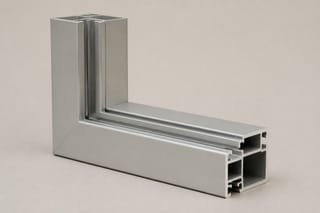
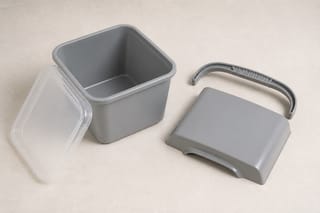
Material pair
How to Glue Aluminum to Plastic
Use 2-part epoxy for rigid, structural aluminum-to-plastic joints after scuffing both sides. For outdoor automotive trim or parts that expand in sunlight, polyurethane handles temperature shifts without fatigue.
Best Adhesive for Aluminum to Plastic
Forms the strongest rigid bond between scuffed bright aluminum and rigid plastics.
Not for: Flexing or movement
Reviewed and adjusted by an editor.
Why 2-part epoxy Works
- The dull oxide layer on the surface is what glue bonds to — and it flakes off under load. Scuff to bright metal and degrease right before gluing for a bond that lasts.
- Two very different families hide under one word. Rigid PVC, ABS, and acrylic bond well; waxy PP and PE shrug off ordinary adhesives.
- The strongest rigid bond — but only on aluminum scuffed to bright metal and degreased.
- Wets out hard plastics that ordinary glues bead off.
Preparation
How to Prepare Aluminum and Plastic for Gluing
Conditions
When to Use Polyurethane adhesive Instead
Thermal expansion is higher in aluminum and plastic than in steel or glass. For rigid indoor assemblies, epoxy gives maximum strength; for outdoor parts, polyurethane absorbs thermal shifts.
Alternatives
Other Adhesives That Work
Waterproof and flexible enough to absorb different thermal expansion rates under direct sun and outdoor exposure.
Better when: Outdoor exposure, Flexing or movement
Grabs small, tight-fitting interior brackets and trims instantly without clamping.
Avoid
What not to use
Avoid
Solvent cement
Solvent cement welds plastic by dissolving it, but cannot soften aluminum — the solvent simply evaporates and the joint falls apart.
Products
Products for Bonding Aluminum to Plastic
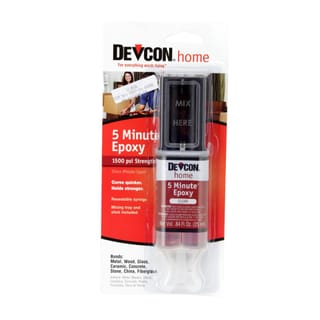
- Devcon 5 Minute EpoxyRapid, crystal-clear bonding on metal, glass, ceramic, wood, and rigid plastics — the benchmark fast-curing 2-part epoxy for jewelry, fine craft, and clean household break repairs.
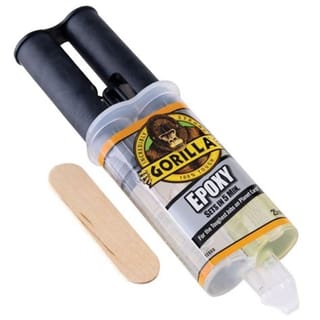
- Gorilla 2-Part EpoxyGeneral household rigid repairs where a clear, gap-tolerant bond matters.
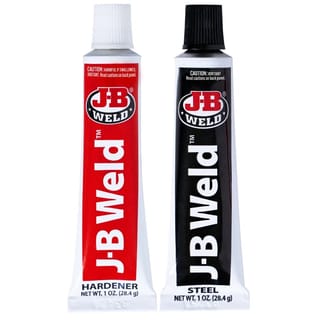
- J-B Weld OriginalRigid metal repairs — a cracked bracket, a stripped hole, a broken tool handle.
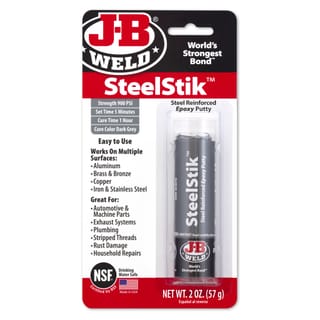
- J-B Weld SteelStik Epoxy PuttyHand-kneadable, non-rusting steel-reinforced epoxy putty for emergency plumbing repairs, auto components, stripped metal threads, and rebuilding missing metal/machinery sections — sets in 5 minutes and fully cures in 1 hour with 4,000 psi tensile strength.
Questions
Common Questions About Gluing Aluminum to Plastic
- What glue should I use for aluminum trim on a plastic car bumper or dash?
- Use an automotive polyurethane adhesive or toughened structural epoxy. These survive constant engine vibrations, moisture, and extreme temperature swings between summer heat and sub-zero winter temperatures.
- Why do I need to scuff aluminum right before gluing plastic?
- Bare aluminum oxidizes within hours upon air exposure. This micro-thin oxide crust flakes off under stress. Sanding right before solvent degreasing ensures the adhesive grabs bare metal atoms directly.
- Can I glue polyethylene (PE) or polypropylene (PP) plastic to aluminum?
- Standard epoxy and super glue will bead up and peel off low-surface-energy PP/PE. Use a dedicated polyolefin adhesive kit with an active heptane-based chemical primer before applying the adhesive.
- How long should I clamp an aluminum-to-plastic joint?
- Clamp firmly with even spring clamps for at least 30 to 60 minutes when using standard 2-part epoxy. Allow 24 hours for complete cure before placing mechanical stress or torque on the joint.