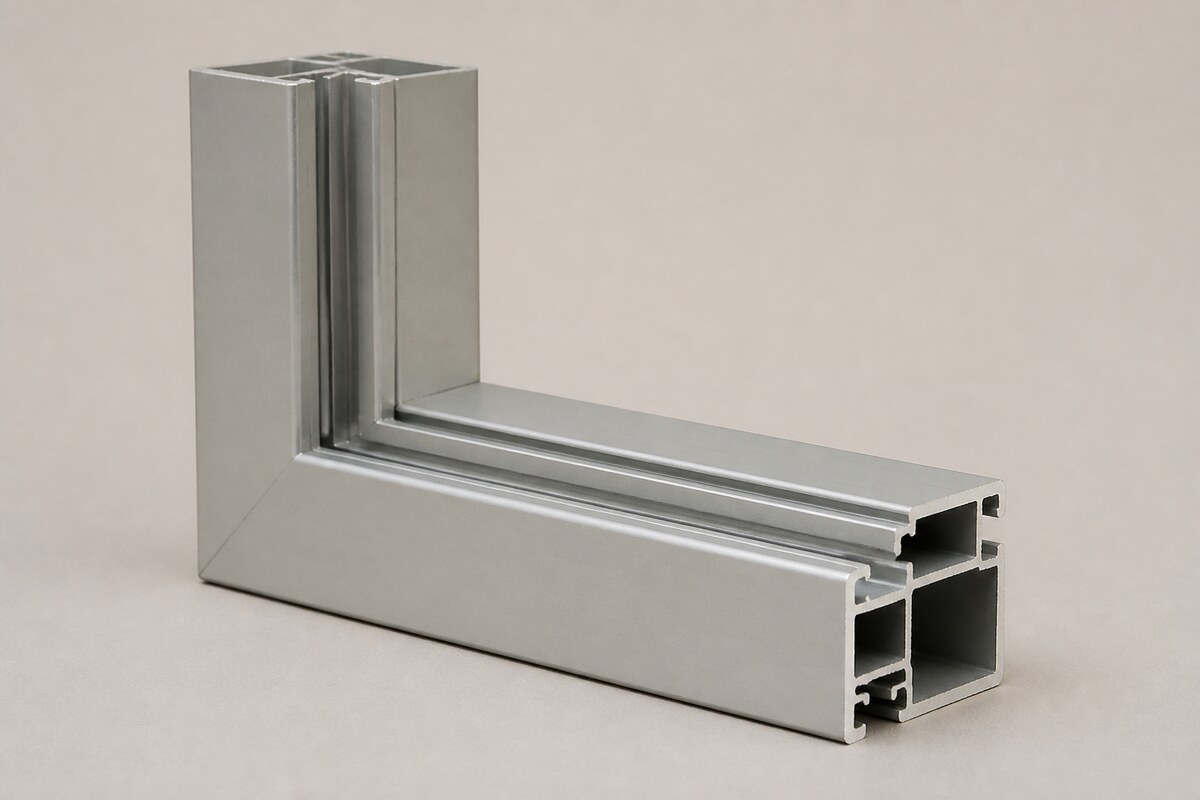
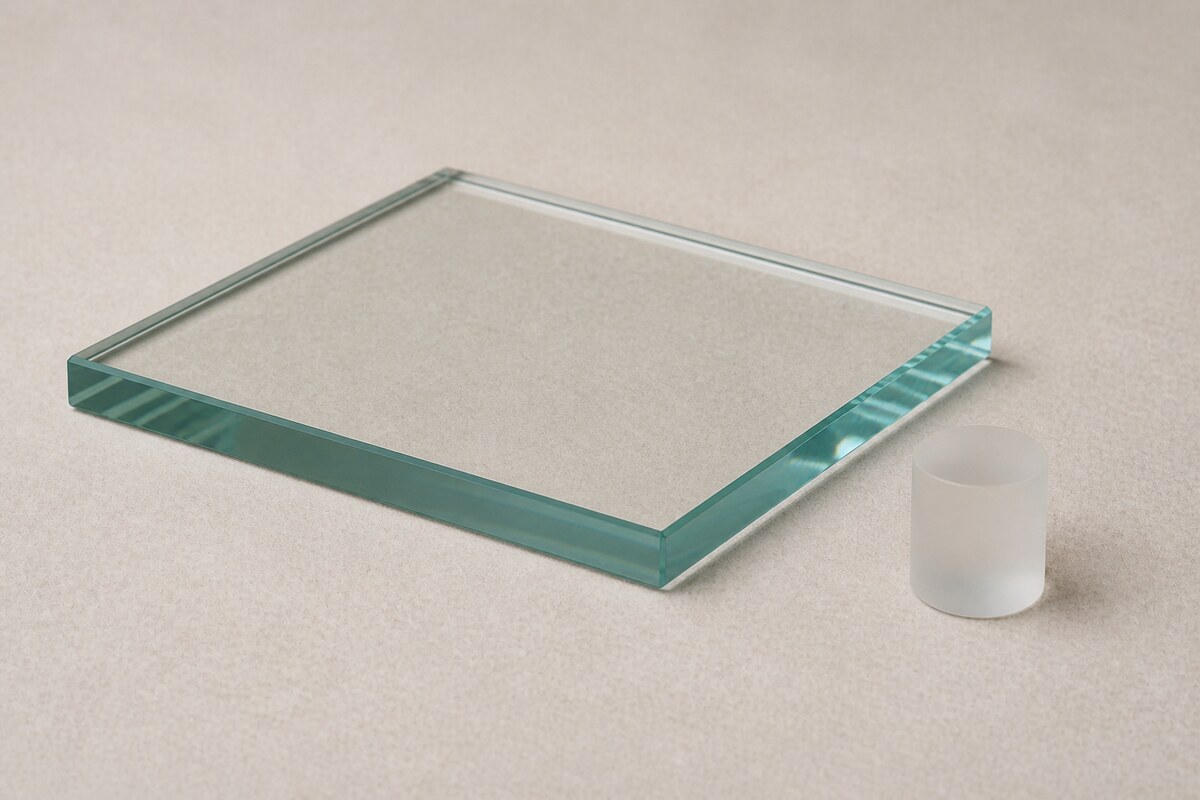
Material pair
Aluminum to Glass
Best bet
Forms a rigid clear bond when bright aluminum and clean glass meet closely.
Reviewed and adjusted by an editor.
Why this answer
- The dull oxide layer on the surface is what glue bonds to — and it flakes off under load. Scuff to bright metal and degrease right before gluing for a bond that lasts.
- Non-porous and unforgiving — any grease film or fingerprint weakens the joint and stays visible through the glass forever.
- The strongest rigid bond — but only on aluminum scuffed to bright metal and degreased.
- Cures clear and rigid, and stays waterproof.
Conditions
When the answer changes
Alternatives
What else works
Lets aluminum and glass move by different amounts without concentrating stress in the glass.
Better when: Heat exposure, Flexing or movement, Water immersion
Grabs a small, snug part instantly, but it cures brittle and the oxide layer keeps growing underneath it until the bond lets go.
For fixing a metal panel or trim across a wide area where a thick bead spans the hollows — not for a joint carrying its load through a small footprint.
Better when: Gap or poor fit
Avoid
What not to use
Avoid
Contact cement
Contact cement — it needs a surface that lets solvent escape, and the rubbery film simply peels off glass.
Avoid
Polyurethane
Anything opaque or expanding — the foamed glue line shows straight through the glass and can't be hidden.
Avoid
Wood glue (PVA)
Wood glue — it needs pores to soak into and peels straight off metal.
Avoid
Flexible fabric adhesive
Fabric adhesive — it grips through a weave, and there is nothing to grip on glass.
Avoid
Spray adhesive
Spray adhesive — the tacky film never hardens, so it creeps and slides on a smooth metal face.
Questions
Common questions
- Why bond soon after preparing aluminum?
- Aluminum begins rebuilding an oxide film on a freshly abraded face. Prepare it as directed, remove grease, avoid touching it, and assemble promptly so the adhesive reaches the cleanest practical metal surface.
- Why do temperature changes stress aluminum bonded to glass?
- Aluminum and glass change dimension by different amounts. Repeated cycles load a rigid glue line and can concentrate stress in the glass, so the page switches to silicone where thermal movement is expected.
- Can a glass shelf or overhead panel rely only on an aluminum glue joint?
- Use a suitable ledge, clip, frame, or other mechanical retention for loaded or overhead glass. Adhesive can locate and cushion the glass, while the retainer keeps it supported if the bond deteriorates.
- How can I keep a visible aluminum-to-glass glue line neat?
- Dry-fit the parts, control the adhesive amount, and plan cleanup within the product instructions before assembly. Fingerprints, bubbles, irregular gaps, and excess adhesive remain easy to see through glass.