All articles
Article
How to remove cured epoxy and construction adhesive
Thermoset epoxies and construction adhesives don't dissolve in water or nail polish remover. Here is how to safely remove them from skin, tiles, countertops, and tools.
Safety & medical notice
Always work in a well-ventilated space. Never apply chemical paint strippers, methylene chloride, or industrial solvents directly to bare skin. If you experience skin burning, blistering, chemical irritation, or eye contact, rinse immediately with clean water and seek prompt professional medical attention.
Why standard solvents fail
While super glue dissolves with nail polish remover and wood glue washes off with warm water, cured epoxy and polyurethane construction adhesive are crosslinked thermoset polymers.
Once cured, their chemical structure is permanent. No mild household solvent will dissolve them back into liquid. The key to removing them is heat softening and mechanical scraping on hard surfaces, and natural shedding on skin.
How to remove cured glue from hands and skin
- Step 1: Warm vinegar soak. Submerge hands in warm soapy water mixed with 1/2 cup of white vinegar for 10 minutes. The mild acid loosens dead skin cells under the adhesive.
- Step 2: Oil & pumice scrub. Rub olive oil, baby oil, or a heavy-duty pumice mechanic's soap (like Fast Orange or Gojo) into the glue spots. Gently rub with an abrasive kitchen sponge or washcloth.
- Step 3: The 3-day rule. Any remaining spots will harmlessly flake off on their own in 2 to 4 days as your skin naturally sheds its outer layer. Never use razor blades, paint strippers, or harsh solvents on your skin.
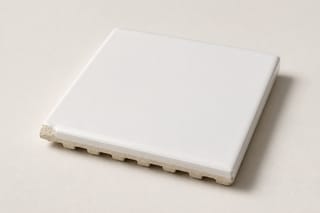
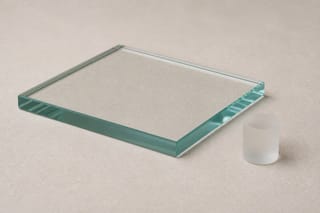
Removing from tile, glass, and metal
Hard non-porous surfaces allow you to use heat without causing damage:
- Heat softening: Heat the cured adhesive lump with a standard hairdryer or heat gun on low for 1 to 2 minutes. At around 150°F to 180°F (65°C to 82°C), cured epoxy and polyurethane lose rigidity and turn leathery.
- Flat razor scraping: While still warm, slice under the lump with a fresh single-edge razor blade held almost flat against the tile or glass.
- Solvent cleanup: Wipe remaining thin residue with acetone or denatured alcohol on a rag.
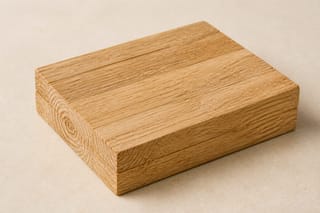
Removing from wood furniture and laminate countertops
- Finished wood: Do not use acetone (it dissolves wood varnish and lacquer). Warm gently with a hairdryer and scrape with a rigid plastic scraper or wooden wedge to avoid scratching the finish.
- Laminate and stone countertops: Soften with warm water and isopropyl alcohol, then scrape carefully with a plastic razor blade.
Questions
Common questions
- Does soaking in acetone dissolve cured 2-part epoxy?
- Acetone does not dissolve fully cured epoxy into liquid. However, soaking metal tools or glass parts in acetone for several hours will cause the epoxy matrix to swell and soften into a rubbery gel that can be scraped off easily.
- How do I remove heavy construction adhesive blobs from drywall without tearing the paper?
- Soft construction adhesive can be sliced parallel to the wall with a flexible oscillating multi-tool blade or wire cheese cutter. If the adhesive tears the drywall paper face, seal the exposed gypsum core with an oil-based primer and skim-coat with joint compound before repainting.
- What is the easiest way to clean epoxy from tools before it cures?
- Before epoxy cures (during working time), it cleans up instantly with isopropyl alcohol (90%+), denatured alcohol, or acetone on a paper towel. Once it cures, only heat and scraping will remove it.
- Are paint strippers like Citristrip effective on epoxy?
- Citrus-based chemical strippers or methylene-chloride-free paint removers soften cured epoxy over 4 to 8 hours on metal and masonry. Always wear chemical-resistant gloves, eye protection, and work outdoors.