All articles
Guide
Fix a broken glass vase
Use Clear 2-part epoxy for this repair. Cures clear and rigid, fills a clean break, and stays waterproof once cured.
This task involves: Water immersion
Best Glue for This Repair
Cures clear and rigid, fills a clean break, and stays waterproof once cured.
Reviewed and adjusted by an editor.
Why Clear 2-part epoxy Works Here
- Non-porous and unforgiving — any grease film or fingerprint weakens the joint and stays visible through the glass forever.
- Cures clear and rigid, and stays waterproof.
How to do it
Fix a broken glass vase: Step by Step
- Wash both broken edges with soap and water and let them dry completely — a fingerprint stays visible through the glass.
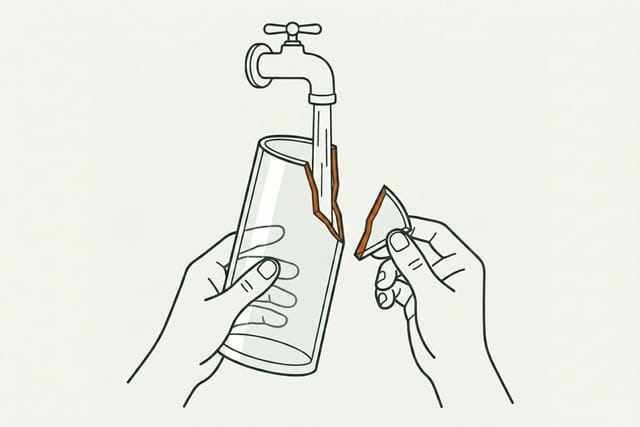
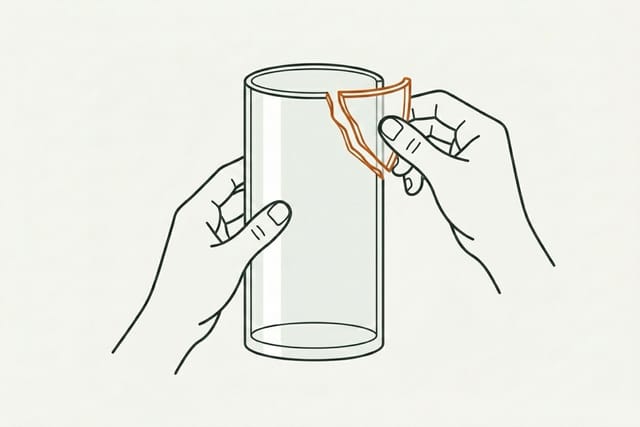
- Dry-fit the pieces so you know they close without a gap.
- Mix a small amount of clear 2-part epoxy and coat one edge thinly.
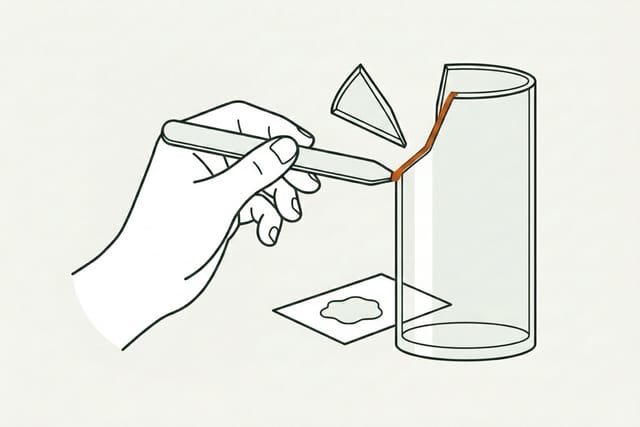
- Press together, wipe the squeeze-out, and tape the joint still.
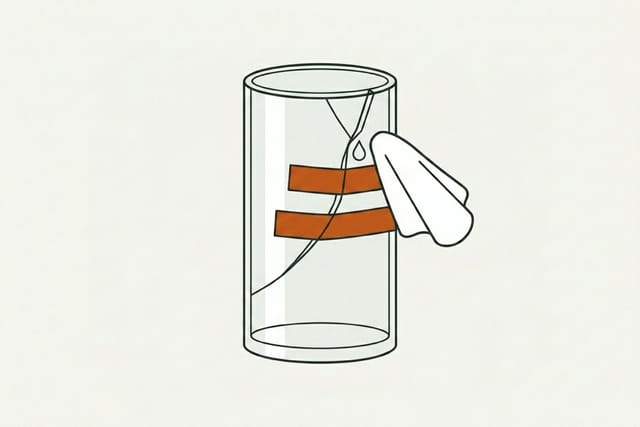
- Let it cure fully before adding water.
Conditions
When to Use Silicone Instead
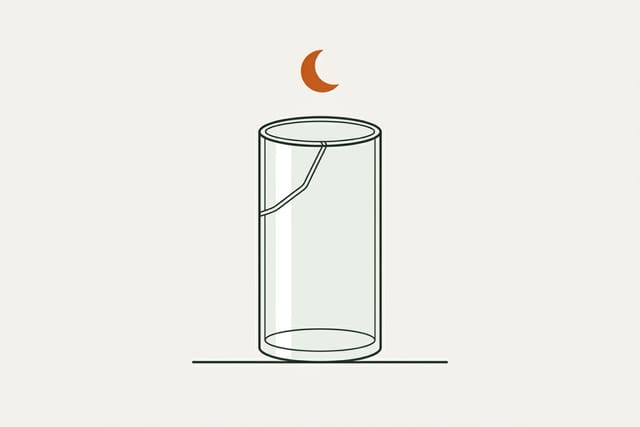
If the vase only has to look whole on a shelf, super glue gel is enough for a tight dry break — the glue line can haze. A hairline crack that still holds together seals better with silicone than with a rigid fill. Missing shards are a replacement, not a glue job.
Alternatives
Other Adhesives That Work
The answer for a hairline crack that still holds together — it seals rather than reconstructing a shard.
Questions
Common Questions About This Repair
- Can a repaired glass vase hold water again?
- Only after a waterproof adhesive has fully cured and the break is a clean fit with no missing glass. If the product is not documented for standing water, or the joint is incomplete, keep the vase dry and treat the repair as decorative.
- Why do fingerprints matter so much on a glass repair?
- Glass has no pores to hide contamination. Oil on a broken edge becomes a weak layer in the joint and stays visible through the glass after the adhesive cures, so both faces need to be washed and fully dry before any glue goes on.
- Is super glue enough for a broken vase?
- It can hold a small, tight, dry break that only has to sit on a shelf. The glue line can haze, and the joint is brittle, so it is a poor choice when the vase will hold water or the break has any gap.
- Can epoxy replace a missing shard of glass?
- It can bridge a tiny chip, but it does not recreate the original glass surface or hide a large gap. A vase with missing pieces is usually a replacement, not a fill.