Material pair
Plastic to Wood
Best bet
It bonds to surfaces wood glue cannot, and fills a gap instead of shrinking into one — the reason to reach past PVA on a loose joint or a mixed-material one.
Not for: Flexing or movement
Derived from our material compatibility data.
Why this answer
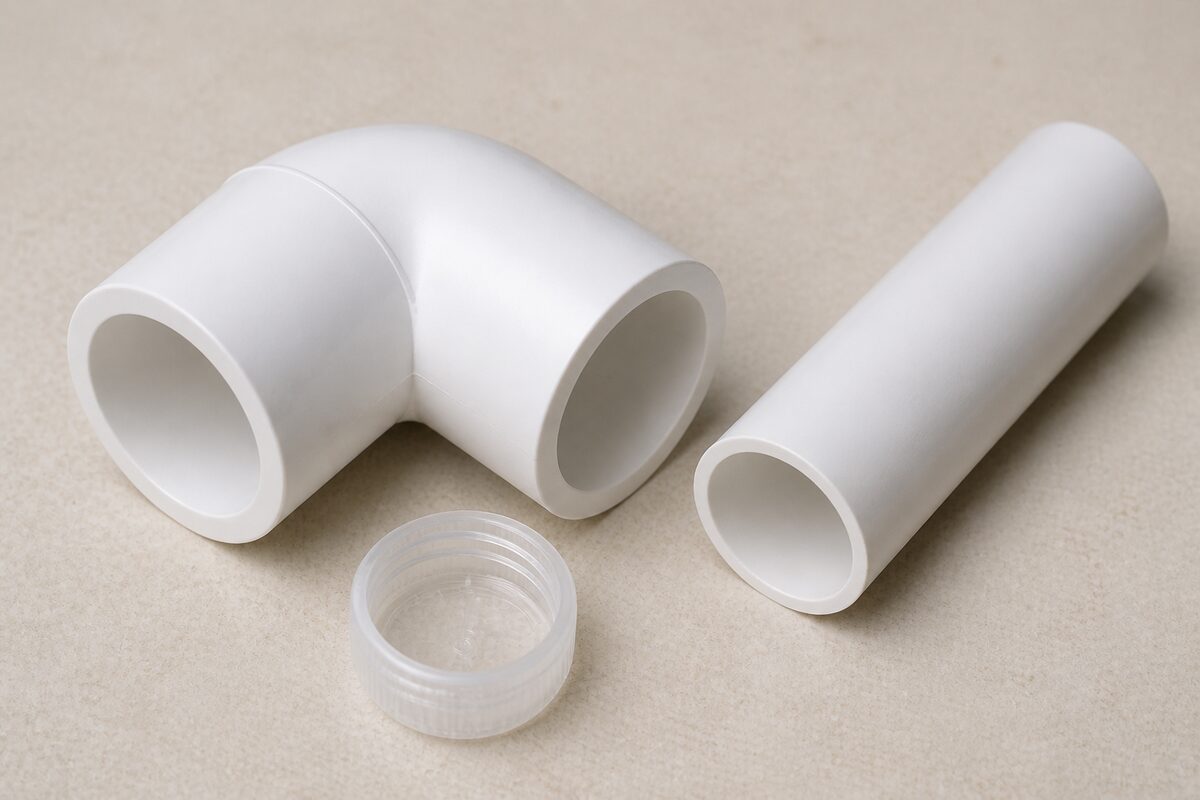
- Two very different families hide under one word. Rigid PVC, ABS, and acrylic bond well; waxy PP and PE shrug off ordinary adhesives.
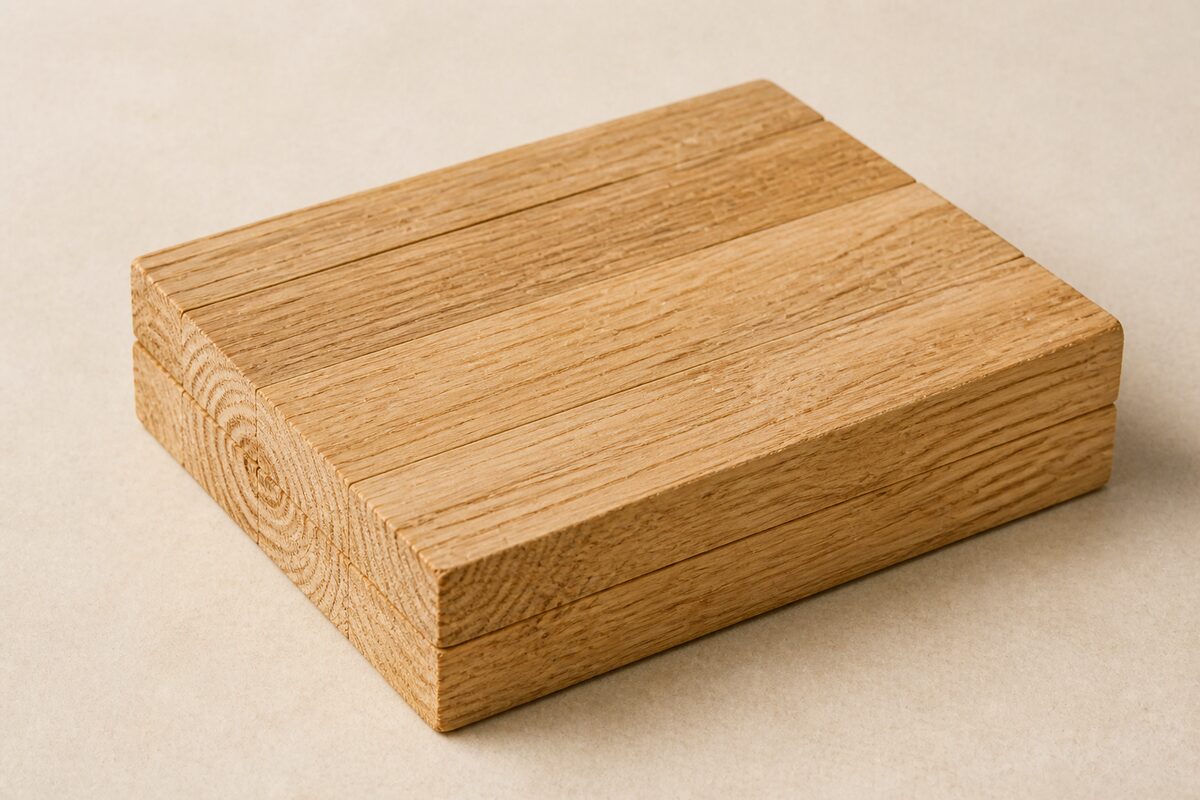
- Porous and slightly forgiving — glue soaks in, and a well-glued joint ends up stronger than the wood around it. Oily hardwoods like teak need a solvent wipe first.
- Wets out hard plastics that ordinary glues bead off.
- It bonds to surfaces wood glue cannot, and fills a gap instead of shrinking into one — the reason to reach past PVA on a loose joint or a mixed-material one.
Conditions
When the answer changes
Use Polyurethane
Use Silicone
Identify the plastic before anything else: on PP or PE nothing on this page works without a primer system. For everything else the wood side is the easy one, and the joint stands or falls on how well the plastic was scuffed.
Alternatives
What else works
For large panels like PVC trim, where a bead along the back is the point.
Better when: Gap or poor fit
Waterproof and tough on scuffed rigid plastic, but it needs real clamping and the foam squeeze-out has to be trimmed.
Better when: Outdoor exposure, Water immersion
The fallback when the part flexes or gets wet; it seals rather than carries load.
Better when: Flexing or movement, Water immersion
Right for laminating a flexible plastic sheet down flat — but its solvent attacks polystyrene and ABS, so test a corner first.
Only when the other side is cloth: flexible enough for a fabric-to-plastic seam, far too weak for a structural one.
Avoid
What not to use
Avoid
Wood glue (PVA)
Wood glue — plastic has no pores for it to soak into, so it peels off in a sheet.
Avoid
Super glue (CA)
Super glue alone — it grabs wood, but cures brittle and bridges gaps poorly.
Avoid
Spray adhesive
Spray adhesive — a repositionable film, not a bond; it slides off smooth plastic under any load.
Questions
Common questions
- Why do I need to identify the plastic before bonding it to wood?
- Plastics that look similar can have very different surface energy. Check a molded material or recycling mark when available; polypropylene and polyethylene generally need a compatible primer system before an adhesive can grip them.
- Do both the plastic and wood need sanding?
- Prepare each side for a different reason: scuffing gives a suitable hard plastic more texture, while sanding wood removes weak finish and exposes sound fibers. Remove the dust and follow the adhesive's cleaning instructions before assembly.
- Can ordinary wood glue bond plastic to wood?
- Wood glue depends on porous fibers, so it can anchor into the wood side but has little to grip on smooth, nonporous plastic. Choose a system that is compatible with the identified plastic as well as wood.
- What changes when the plastic part flexes or the joint gets wet?
- A rigid bond can peel when plastic bends or when wood moves with moisture. Use the page's condition switches to choose a flexible or water-resistant option, and keep the joint out of standing water whenever possible.