Material pair
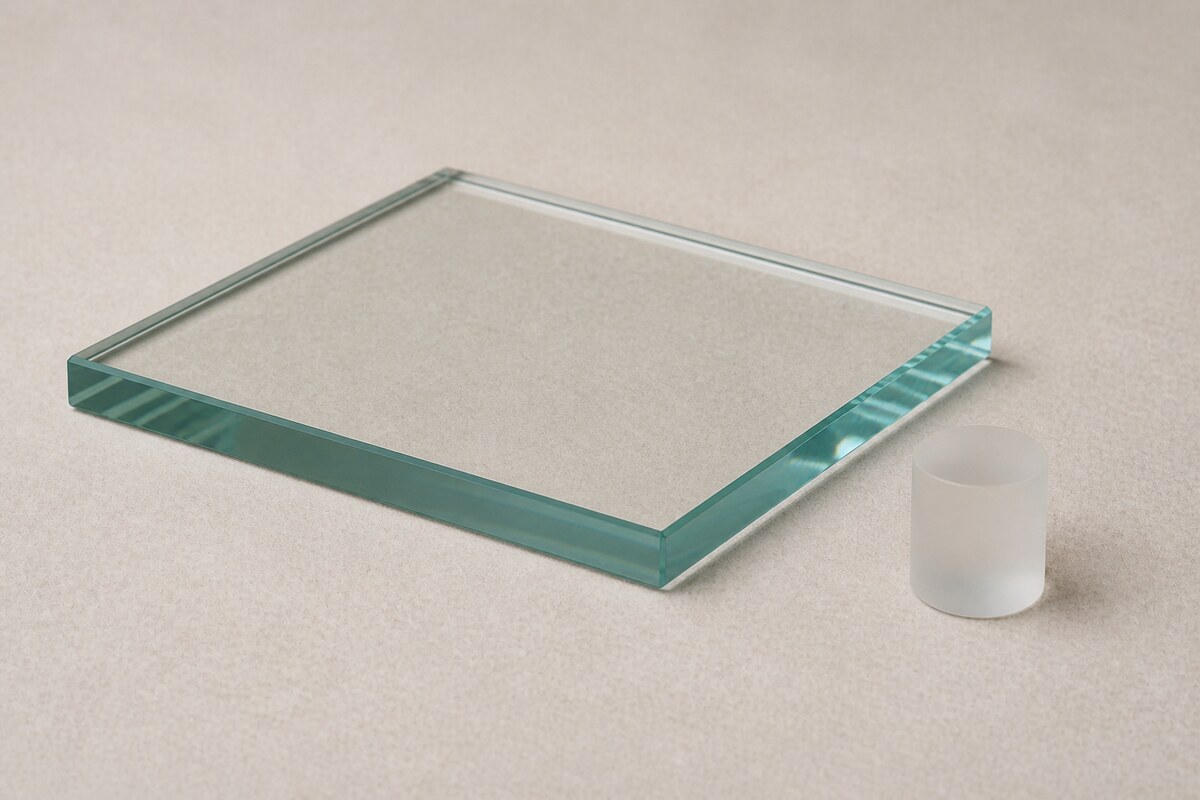
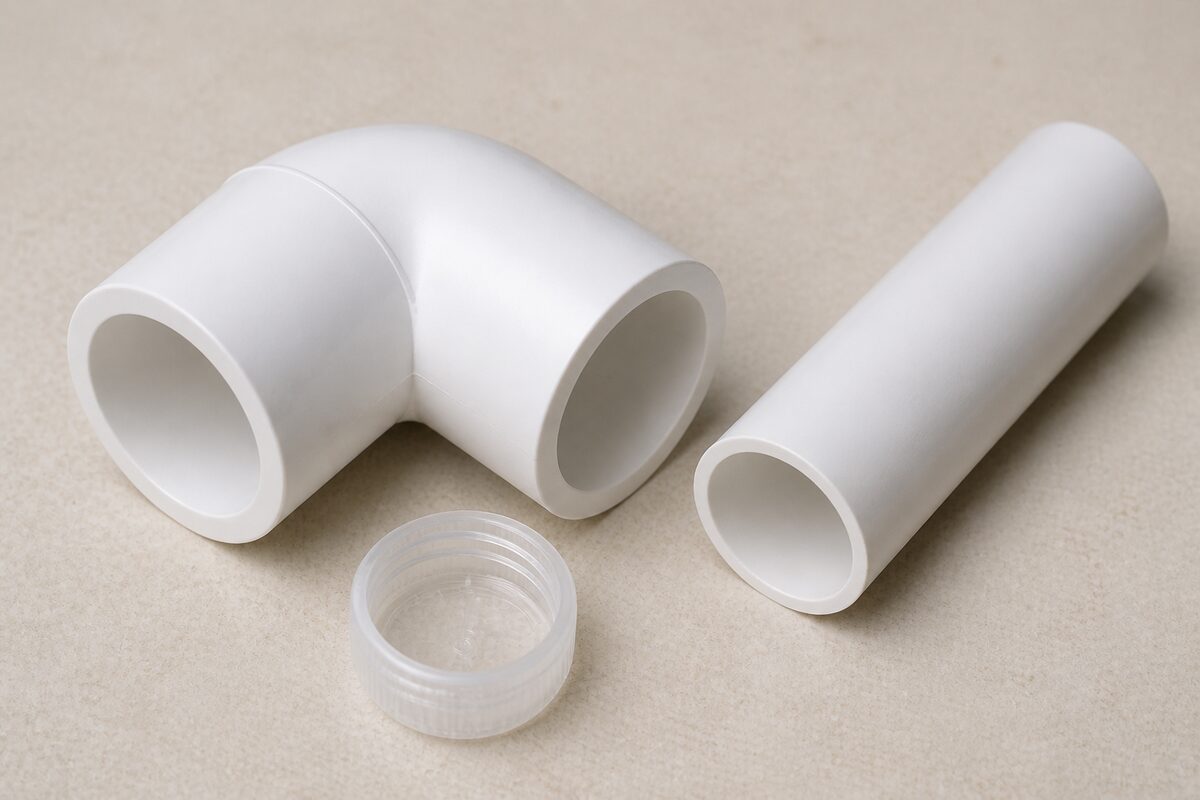
Glass to Plastic
Best bet
Bonds a compatible rigid plastic to glass with a clear, stable glue line.
Not for: Flexing or movement
Reviewed and adjusted by an editor.
Why this answer
- Non-porous and unforgiving — any grease film or fingerprint weakens the joint and stays visible through the glass forever.
- Two very different families hide under one word. Rigid PVC, ABS, and acrylic bond well; waxy PP and PE shrug off ordinary adhesives.
- Cures clear and rigid, and stays waterproof.
- Wets out hard plastics that ordinary glues bead off.
Conditions
When the answer changes
Alternatives
What else works
A flexible seal for movement or persistent water exposure, not a structural connection.
Better when: Flexing or movement, Water immersion
Fine for a small, tight, dry repair, though the glue line can haze and it is brittle.
Only for hanging a mirror or glass panel on a wall, and only with a mirror-rated tube — ordinary solvent formulas eat the silver backing.
Better when: Gap or poor fit
Avoid
What not to use
Avoid
Contact cement
Contact cement — it needs a surface that lets solvent escape, and the rubbery film simply peels off glass.
Avoid
Flexible fabric adhesive
Fabric adhesive — it grips through a weave, and there is nothing to grip on glass.
Avoid
Polyurethane
Anything opaque or expanding — the foamed glue line shows straight through the glass and can't be hidden.
Avoid
Spray adhesive
Spray adhesive — a temporary tack for holding a stencil or film, never a bond.
Avoid
Wood glue (PVA)
Wood glue — it dries by soaking into pores, and glass has none.
Questions
Common questions
- Why identify the plastic before bonding it to glass?
- Clear and opaque molded plastics can look alike while accepting adhesive very differently. Check a material or recycling mark when available; polypropylene and polyethylene need a compatible primer system rather than the ordinary rigid-plastic approach.
- Why should cleaned glass be handled only by its edges?
- Fingerprints place skin oil directly between the adhesive and glass, creating a weak and often visible patch. Clean immediately before assembly and avoid touching the intended bond area again.
- What if the plastic flexes against rigid glass?
- That movement concentrates peel at the edge of a rigid glue line. The page switches to silicone for a flexible sealing bond, but the joint should still be designed so the glass does not carry bending load.
- Can adhesive alone retain overhead or safety-critical glass on plastic?
- Use clips, a frame, or another suitable mechanical retainer whenever falling glass could cause harm. Adhesive can position, cushion, or seal the parts, while the retainer keeps the assembly safe if the bond is damaged.