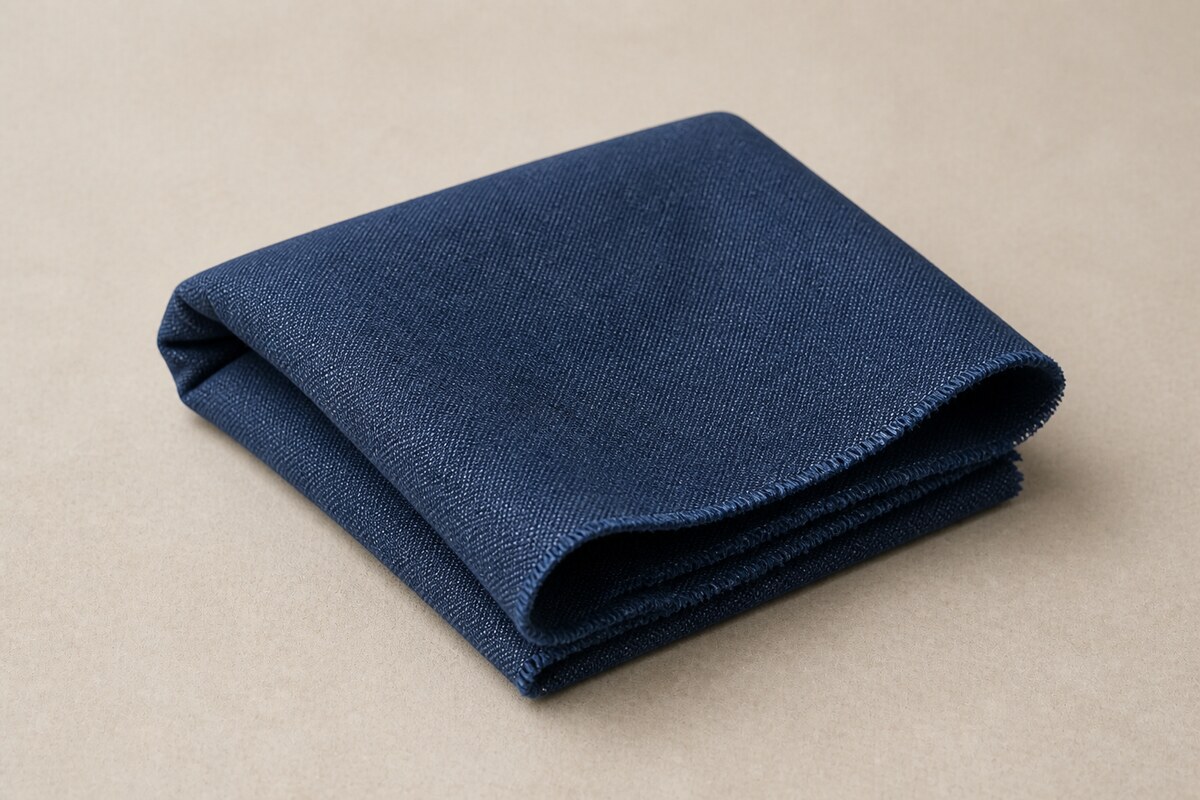
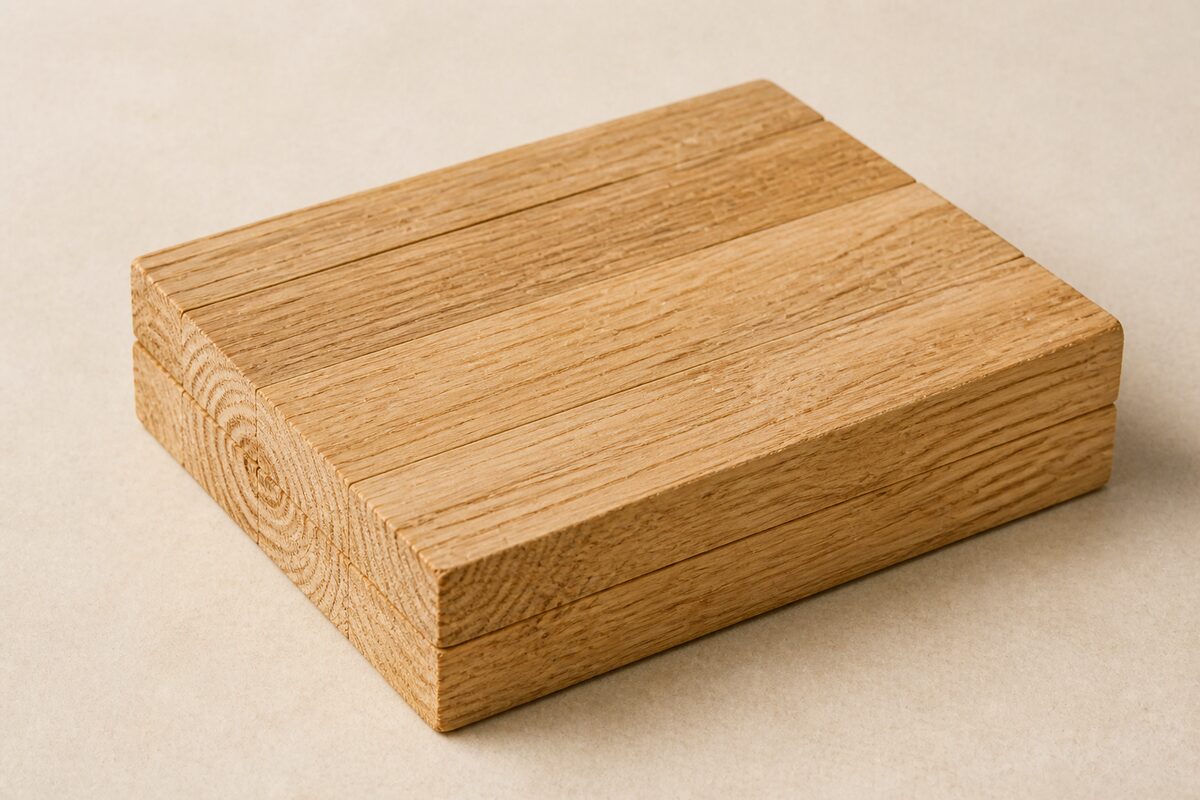
Material pair
Fabric to Wood
Best bet
Grips bare wood while keeping a wrapped fabric edge soft enough to bend.
Not for: Load-bearing / shear
Reviewed and adjusted by an editor.
Why this answer
- Soft, porous, and constantly flexing — the adhesive has to stay flexible too, or the seam becomes a stiff ridge that cracks.
- Porous and slightly forgiving — glue soaks in, and a well-glued joint ends up stronger than the wood around it. Oily hardwoods like teak need a solvent wipe first.
- Stays soft so the seam can still bend and fold.
- Only when the other side is cloth: it grips bare wood well enough for upholstery but has no strength as a wood joint.
Preparation
Prep each side differently
Conditions
When the answer changes
Use Polyurethane
Use Polyurethane
Flexible fabric adhesive suits a wrapped edge or small upholstery repair that still has to bend. A broad decorative lamination can use a compatible spray system, but any seam that carries real pull needs staples, tacks, or stitching as its load path.
Alternatives
What else works
Spreads an even film under a broad decorative facing, but does not carry a pulling load.
Useful on heavy upholstery that can accept a stiffer glue line; test for bleed-through first.
A weather-resistant option that can foam through fabric, so keep it away from visible light cloth.
Better when: Outdoor exposure, Water immersion
The patch for an awning or a tent: waterproof and endlessly flexible, though it leaves a visible rubbery band.
Better when: Water immersion, Outdoor exposure, Flexing or movement
Avoid
What not to use
Avoid
Wood glue (PVA)
Wood glue — it dries into a stiff board of cloth, and washes out the first time it is laundered.
Avoid
Epoxy
Epoxy — it soaks through the weave and cures rigid, so the fabric tears along the edge of the patch.
Avoid
Construction adhesive
Construction adhesive — a bead thick enough to work bleeds through the cloth and dries stiff.
Avoid
Super glue (CA)
Super glue — it soaks through, leaves a hard dark spot, and cracks when the cloth folds.
Questions
Common questions
- How do I keep adhesive from bleeding through fabric onto the visible face?
- Test a matching scrap or hidden edge, work from the back, and apply a controlled coat within the product instructions. Too much adhesive can soak through the weave, darken it, and leave a stiff patch.
- Can fabric be bonded directly over painted or finished wood?
- Only when the coating is sound and the adhesive accepts it. A weak finish can release from the wood with the fabric still attached, so test the coating or expose bare wood in the hidden bond area where appropriate.
- Should a pulled upholstery edge rely only on adhesive?
- Use staples, tacks, stitching, or another suitable mechanical attachment to carry sustained tension. Adhesive can keep the layers flat and control loose edges, but it should not be the only load path.
- What is different about spraying a broad fabric panel onto wood?
- A light, even film and uniform pressure matter more than a thick bead. Mask nearby surfaces, confirm compatibility with both fabric and wood, and treat the result as decorative lamination rather than a structural seam.