Guide
Reglue a detached smartwatch screen
Use Electronic-grade flexible adhesive (B-7000 / neutral RTV silicone) for this repair. Maintains a flexible waterproof gasket seal, absorbs wrist shocks, and allows future disassembly without cracking glass.
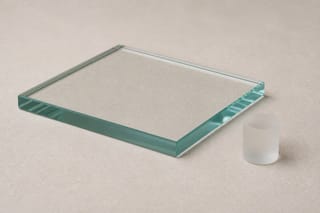
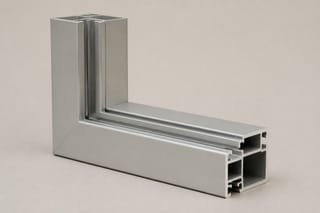
This task involves: Water immersion, Heat exposure, Gap or poor fit
Best Glue for This Repair
Electronic-grade flexible adhesive (B-7000 / neutral RTV silicone)
Maintains a flexible waterproof gasket seal, absorbs wrist shocks, and allows future disassembly without cracking glass.
Not for: Load-bearing / shear
Reviewed and adjusted by an editor.
Why Electronic-grade flexible adhesive (B-7000 / neutral RTV silicone) Works Here
- Non-porous and unforgiving — any grease film or fingerprint weakens the joint and stays visible through the glass forever.
- The dull oxide layer on the surface is what glue bonds to — and it flakes off under load. Scuff to bright metal and degrease right before gluing for a bond that lasts.
- The right answer when the joint gets wet or has to move — it stays flexible for decades.
- Sticks well to clean metal and stays flexible and waterproof — a sealant around metal, not a joint that carries weight.
How to do it
Reglue a detached smartwatch screen: Step by Step
Device Safety Notice: Battery and Display Ribbon Cables
- Power off the watch completely and inspect the underside of the lifted screen to ensure ribbon cables are intact and unbent.
- Scrape away all old silicone gasket adhesive residue from the aluminum watch housing groove and glass perimeter using a plastic spudger and isopropyl alcohol swabs.
- Test-fit the screen into the recessed bezel to confirm that no glass fragments or debris prevent flush seating.
- Apply a very fine, continuous bead of B-7000 or electronic-grade flexible adhesive along the inner perimeter lip of the aluminum bezel, taking care to avoid sensors and ribbon cables.
- Seat the screen evenly into the housing, apply gentle uniform pressure, clamp with padded electronic spring clips or rubber bands, and allow to cure for 24 hours before powering on.
Conditions
When to Use a Different Glue
Smartwatch screens require flexible, waterproof adhesive that withstands wrist flex and body heat while allowing future battery servicing. Rigid super glues release toxic hazing fumes that ruin optical layers and crack under torsion.
Avoid
Glues to Avoid for This Repair
Avoid
Cyanoacrylate (Super glue)
Off-gassing monomer fumes permanently cloud display optics, and rigid bond fractures under wrist impact.
Avoid
Standard rigid 2-part epoxy
Permanent bond makes future screen or battery replacement impossible and cracks delicate glass under temperature swings.
Questions
Common Questions About This Repair
- Why did my smartwatch screen suddenly pop loose or lift up?
- Screen lifting is commonly caused by aging waterproof gasket adhesive, accidental drops, or an internal lithium-ion battery beginning to swell. If the battery is swollen, replace it before attempting to reglue the glass.
- Will the watch still be 100% waterproof after reglueing with B-7000?
- A careful B-7000 or precut gasket repair restores everyday splash and rain resistance. However, home repairs cannot guarantee high-pressure immersion ratings (like scuba diving or lap swimming); treat the watch as water-resistant, not dive-proof.
- What happens if I use ordinary super glue to fix my smartwatch screen?
- Super glue (cyanoacrylate) off-gasses cyanoacrylate vapors that permanently frost and cloud the underside of the OLED glass. In addition, its rock-hard bond shatters fragile display glass under wrist torsion and prevents future battery replacement.
- How much clamping pressure is safe for OLED smartwatch displays?
- Use very light, evenly distributed pressure using padded spring craft clamps or 2 to 3 loose rubber bands wrapped around the case. Excessive pinpoint clamp force will crush the microscopic OLED matrix, leaving permanent black bleeding spots.