Guide
Fix a sagging car headliner
Use dedicated high-temperature automotive headliner spray adhesive to re-bond sagging fabric to the backing board. Standard craft spray adhesives will melt and fail under summer car interior heat.
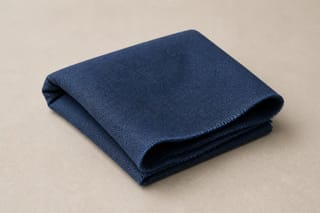
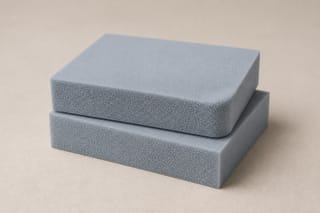
This task involves: Heat exposure, Flexing or movement
Best Glue for This Repair
High-temp automotive spray adhesive
Resists roof temperatures exceeding 140°F (60°C) and creates a uniform, light web that will not bleed through fabric.
Not for: Load-bearing / shear, Water immersion
Reviewed and adjusted by an editor.
Why High-temp automotive spray adhesive Works Here
- Soft, porous, and constantly flexing — the adhesive has to stay flexible too, or the seam becomes a stiff ridge that cracks.
- Mostly air — the solvents in many adhesives literally melt it, polystyrene foam worst of all. Water-based and foam-safe formulas only.
- Right for laminating a large panel of cloth, not for a seam that takes any pull.
- No solvents, so it can't melt the foam.
How to do it
Fix a sagging car headliner: Step by Step
- Carefully pull back the sagging fabric section and brush away degraded, crumbling orange foam residue with a stiff nylon brush.
- Mask surrounding car glass, dashboard, seats, and plastic pillar trim with painter's tape and plastic drop cloths.
- Shake the high-temp spray adhesive can thoroughly, holding it 8–10 inches away, and apply an even coat to both the board and fabric backing.
- Wait 1–3 minutes until the adhesive turns tacky and no longer feels wet when touched with a knuckle.
- Gently stretch and press the fabric upward into place, smoothing out wrinkles with a clean microfiber cloth working from the center outward.
Conditions
When to Use Flexible fabric adhesive Instead
If the underlying foam is crumbling into orange dust, spray adhesive alone will soon fail — you must brush away the crumbly layer down to firm backing before spraying.
Alternatives
Other Adhesives That Work
Good for localized edge touch-ups around windshield and door pillar trim.
Avoid
Glues to Avoid for This Repair
Avoid
Wood glue (PVA)
PVA glue soaks through thin fabric, turning it into a stiff, discolored cardboard-like plate.
Avoid
Super glue (CA)
Cyanoacrylate chemically reacts with foam backing, melting holes and staining the headliner fabric.
Questions
Common Questions About This Repair
- Why does standard 3M Super 77 spray adhesive fail on car headliners?
- Standard multipurpose spray adhesives soften at around 110°F to 120°F (43°C to 49°C). In sunny summer weather, metal car roofs easily reach 140°F to 160°F (60°C to 71°C), which liquefies general adhesives. Always use high-temperature automotive adhesive rated above 170°F (77°C).
- Can I reglue a headliner if the yellow foam backing is falling apart?
- If you spray glue over crumbling foam dust, the glue sticks only to the loose dust and drops down within days. For a temporary fix, brush off the powder. For a permanent factory repair, remove the entire headliner board and install new foam-backed headliner fabric.
- Are twist pins or push pins better than spray glue?
- Twist pins (sagging stopper pins) are a fast, 5-minute mechanical fix when you do not want to remove trim or spray chemicals inside the car. Spray adhesive provides a smooth, invisible factory-like finish but requires careful masking.
- How do I remove spray adhesive overspray from car windows or plastic trim?
- Wipe overspray immediately with rubbing alcohol or a citrus-based adhesive remover on a microfiber towel. Avoid aggressive solvents like lacquer thinner or acetone on plastic dashboards and clear instrument cluster lenses.