All glue types
Glue type
Epoxy putty stick
Hand-kneadable, non-sagging two-part epoxy clay that rebuilds missing parts, fills deep voids, and cures underwater into a machinable solid.
Best for
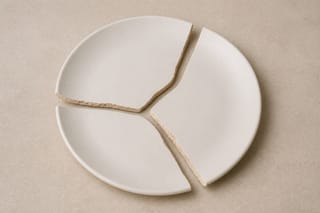
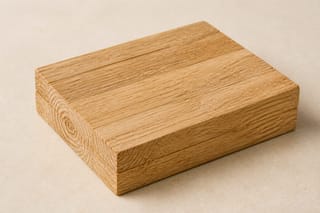
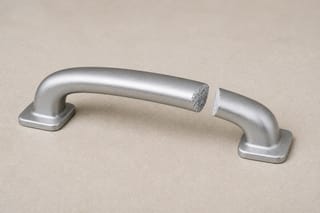
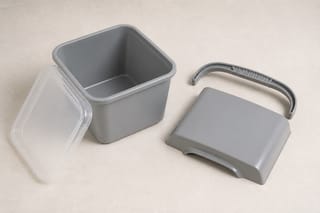
What Epoxy putty stick Bonds Best
Doesn’t hold on
Fabric, Rubber, Leather, Foam, Polypropylene (PP), Polyethylene (PE / HDPE / LDPE)
Wrong tool
Thin hairline cracks or dynamic flexible substrates like rubber or clothing.
Using it
How to Use Epoxy putty stick
- 01Cut the required length from the co-axial stick and knead with wet fingers until color is completely uniform.
- 02Force the mixed putty firmly into stripped screw holes, leaking pipe cracks, or missing edge gouges within 3 to 5 minutes.
- 03Smooth the outer surface with a damp finger before it stiffens.
- 04Allow 60 minutes for initial set; wait 24 hours before drilling, tapping, or sanding.
Questions
Common Questions About Epoxy putty stick
- Can epoxy putty cure underwater or on active wet plumbing leaks?
- Yes. Specialized plumbing and marine epoxy putties cross-link chemically without relying on air or solvent evaporation, allowing them to harden underwater and seal weeping pipe leaks.
- Why is thorough kneading critical before applying epoxy putty?
- The inner core and outer shell contain separate resin and hardener components. Kneading until the color is completely uniform ensures full polymerization; unmixed streaks remain soft and fail under pressure.
- Can you drill, sand, and tap machine threads into cured epoxy putty?
- Yes. Once fully cured (typically after 24 hours), steel-reinforced epoxy putty behaves like a solid machinable polymer that can be drilled, filed, tapped, and spray painted.
- Can epoxy putty be used to fix tight hairline cracks in glass or ceramics?
- No. Epoxy putty is a thick modeling clay that cannot penetrate tight seams. Liquid epoxy or cyanoacrylate is required to wick into hairline fractures; putty is strictly for filling voids and rebuilding missing chunks.