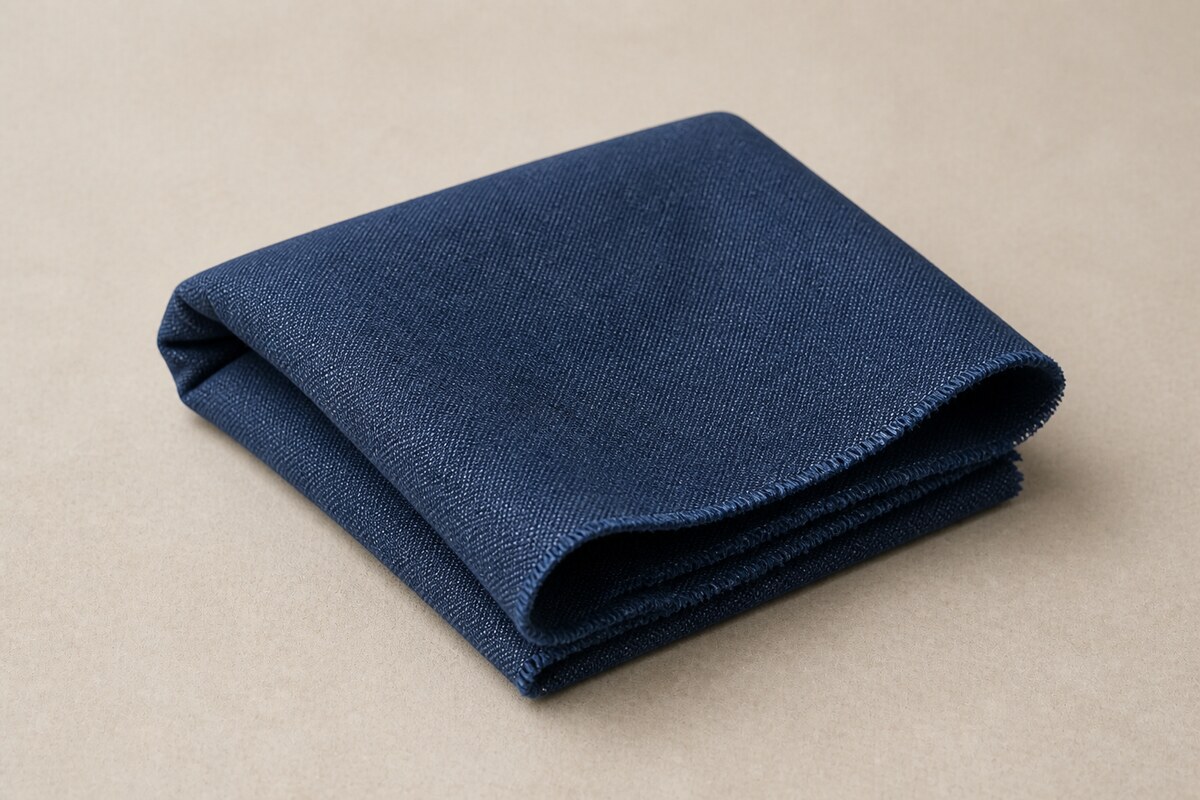
Best bet
Bonds webbing and canvas while staying soft enough to fold.
Not for: Load-bearing / shear
Reviewed and adjusted by an editor.
Why this answer
- Soft, porous, and constantly flexing — the adhesive has to stay flexible too, or the seam becomes a stiff ridge that cracks.
- Stays soft so the seam can still bend and fold.
How to do it
Step by step
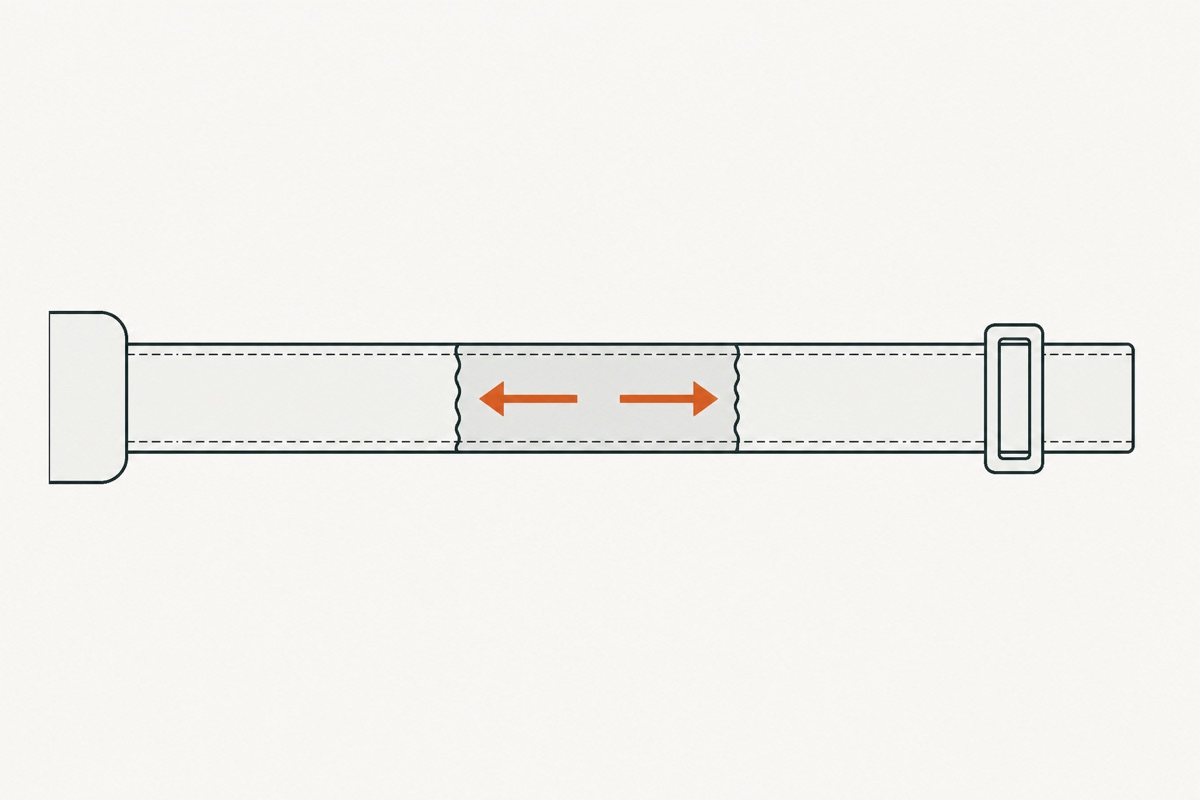
- Trim frayed threads and clean the area.
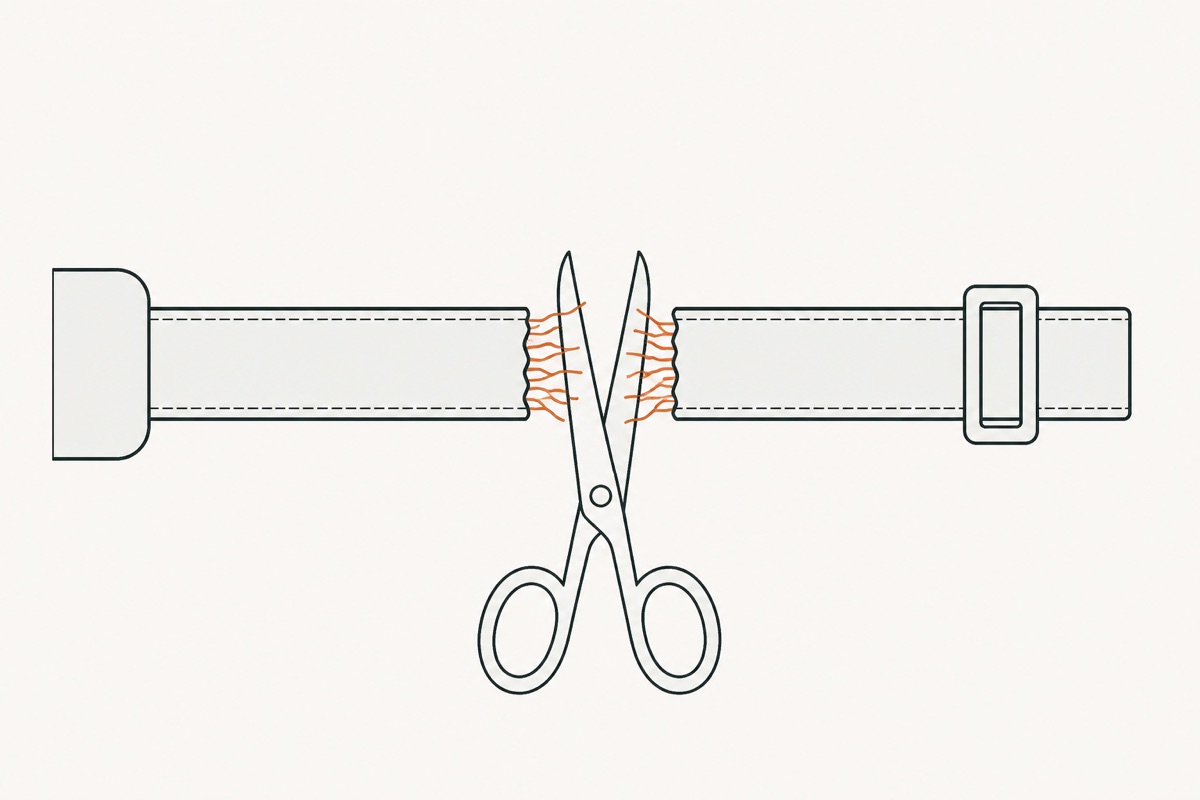
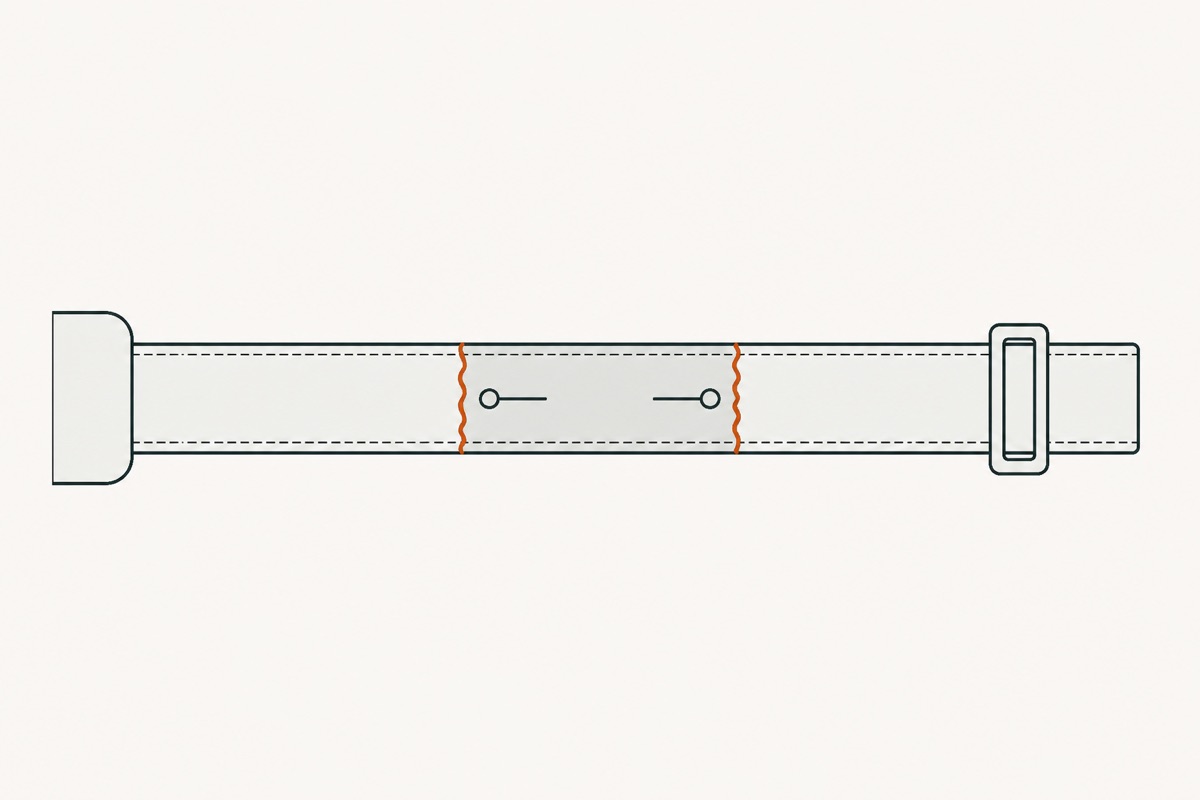
- Overlap or align the torn webbing and pin it in place.
- Apply flexible fabric adhesive in a thin, even film on both faces.
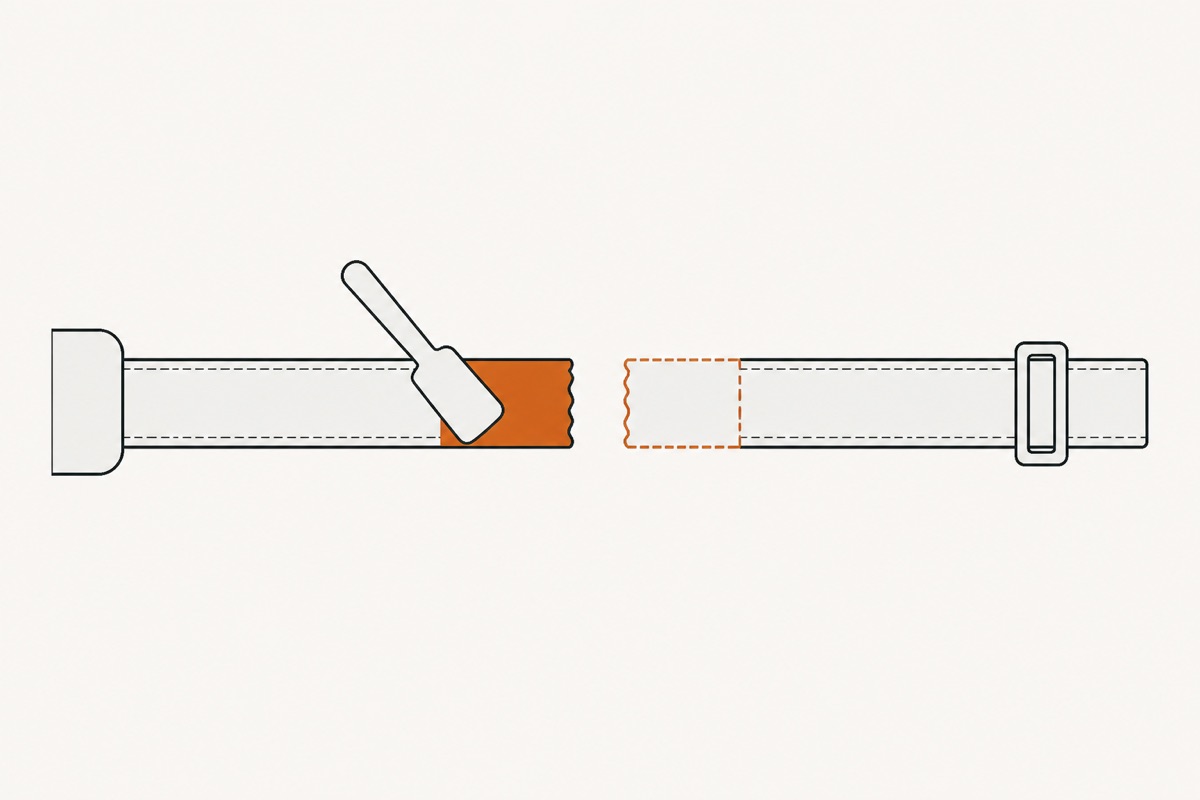
- Press together and smooth out air pockets.
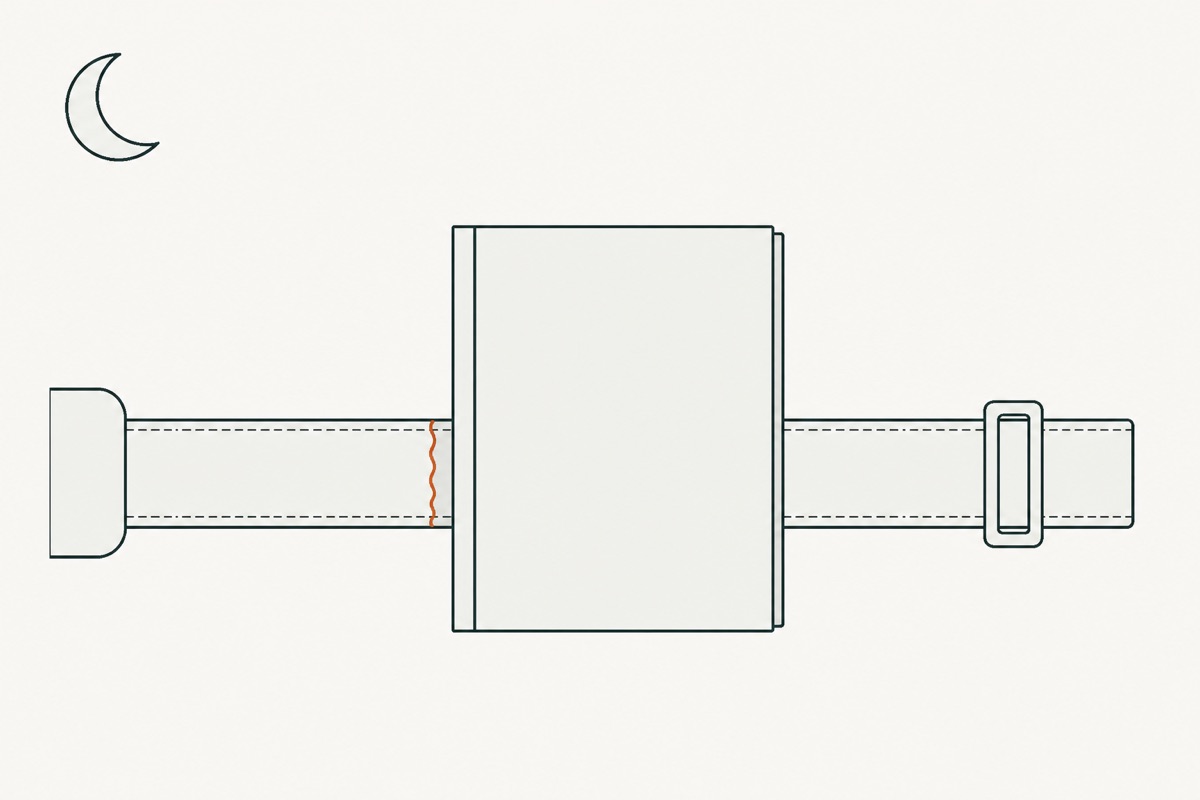
- Let it cure flat under a book for a full day before loading the strap.
Conditions
When the answer changes
A load-bearing strap (shoulder, hip belt) really wants stitching — glue alone is temporary. Nylon webbing bonds better after a quick pass with a flame to melt loose fibers.
Alternatives
What else works
Holds well on heavy canvas and upholstery, but it soaks in and stiffens light cloth.
Waterproof and strong, but it foams through the weave and leaves a hard ridge.
Better when: Outdoor exposure, Water immersion
Avoid
What not to use
Avoid
Spray adhesive
Ruled out here by Load-bearing / shear
Right for laminating a large panel of cloth, not for a seam that takes any pull.
Avoid
Silicone
Ruled out here by Load-bearing / shear
The patch for an awning or a tent: waterproof and endlessly flexible, though it leaves a visible rubbery band.
Avoid
Wood glue (PVA)
Wood glue — it dries into a stiff board of cloth, and washes out the first time it is laundered.
Avoid
Epoxy
Epoxy — it soaks through the weave and cures rigid, so the fabric tears along the edge of the patch.
Avoid
Construction adhesive
Construction adhesive — a bead thick enough to work bleeds through the cloth and dries stiff.
Avoid
Super glue (CA)
Super glue — it soaks through, leaves a hard dark spot, and cracks when the cloth folds.
Avoid
Solvent cement
Solvent cement — it wicks straight through the weave and evaporates, stiffening the cloth without leaving any adhesive behind.
Questions
Common questions
- Is fabric glue enough for a load-bearing backpack strap?
- Treat glue alone as a temporary repair on a shoulder strap or other load-bearing attachment. Stitching or a sewn reinforcement carries repeated loads more reliably, while flexible adhesive can help stabilize and seal the repair.
- Why overlap the torn fabric instead of joining the edges directly?
- An overlap gives the adhesive a larger bonded area and spreads the load away from one cut line. A direct edge-to-edge joint concentrates peel and tension at the tear and is easier to reopen.
- When does a torn strap need a backing patch?
- Use a compatible backing when the fabric is frayed, thin, or missing material around the tear. The patch should extend onto sound fabric so the repair does not rely on damaged fibers alone.
- How should I test the repaired strap?
- Wait for the adhesive's stated full cure, inspect for lifted edges, then add load gradually while watching the repair. Do not make the first test with fragile or valuable contents inside the backpack.