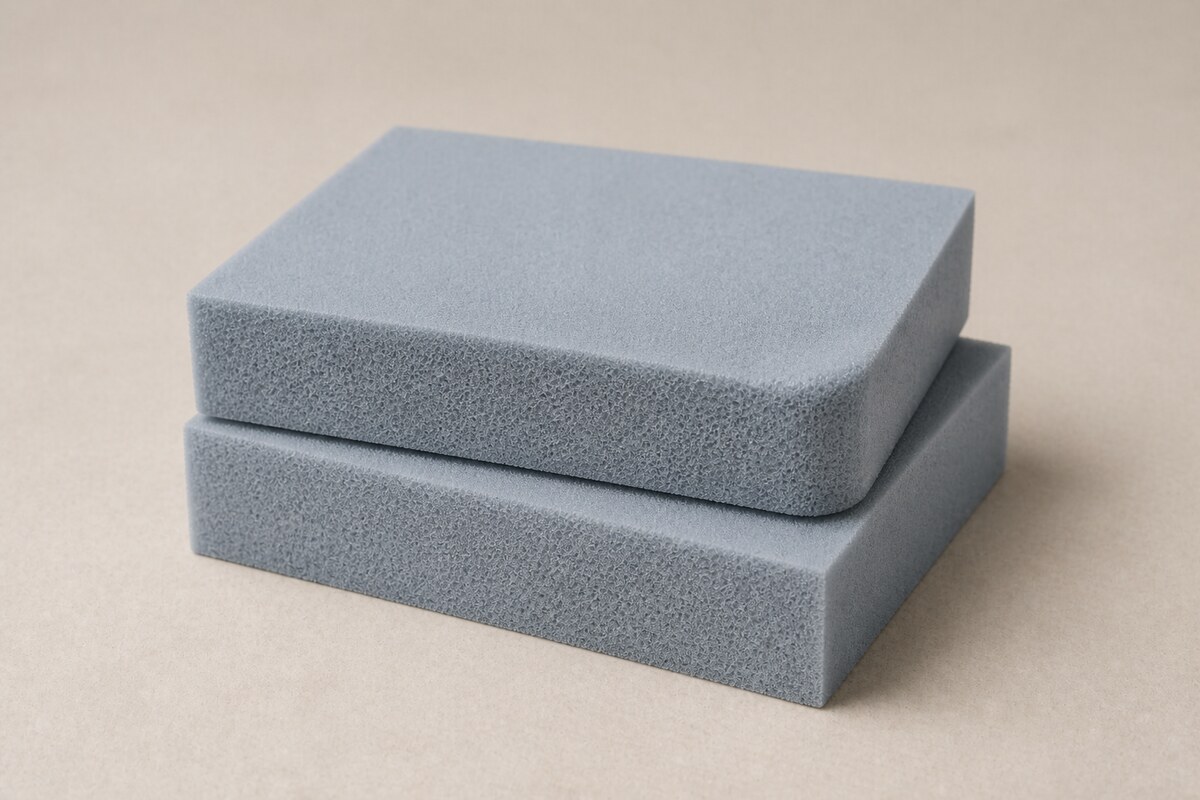
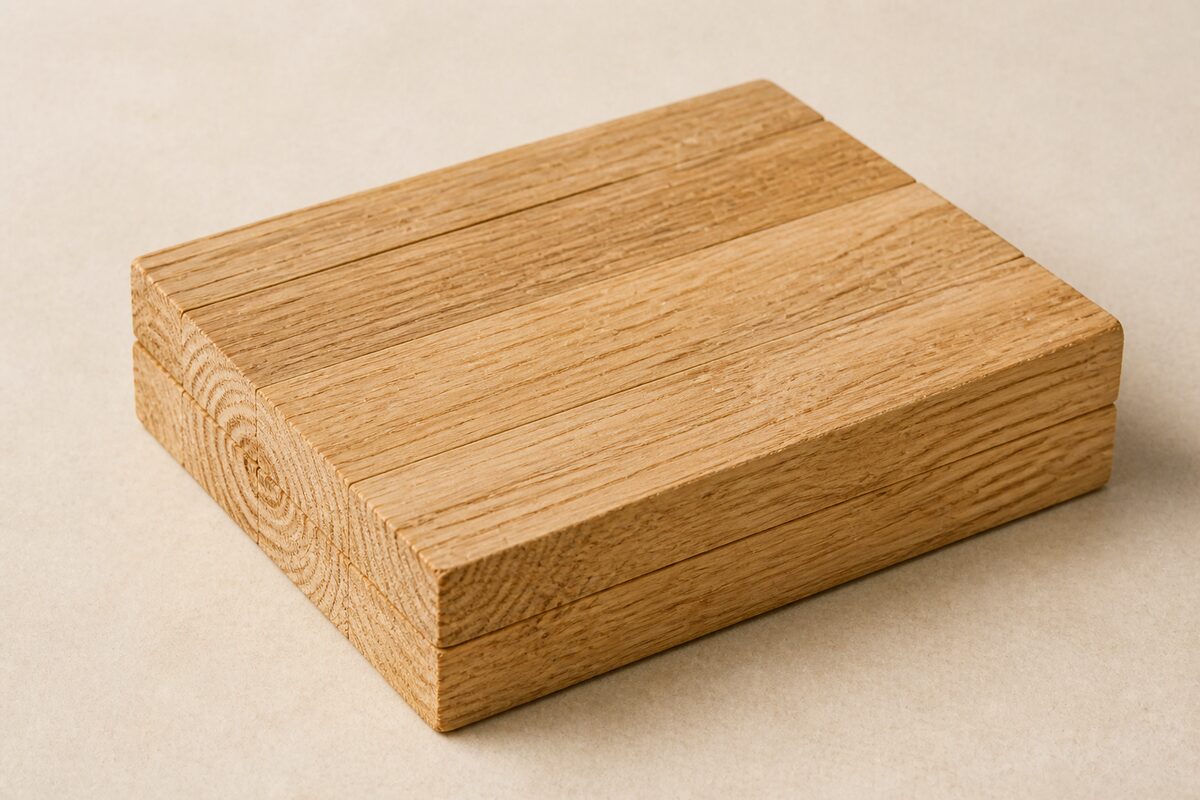
Material pair
Foam to Wood
Best bet
Lays a light, even film across upholstery foam and bare wood without turning the facing into a hard plate.
Reviewed and adjusted by an editor.
Why this answer
- Mostly air — the solvents in many adhesives literally melt it, polystyrene foam worst of all. Water-based and foam-safe formulas only.
- Porous and slightly forgiving — glue soaks in, and a well-glued joint ends up stronger than the wood around it. Oily hardwoods like teak need a solvent wipe first.
- No solvents, so it can't melt the foam.
- Spray adhesive — it tacks paper and cloth to wood, but as a wood-to-wood joint it is a film that peels.
- Lays a light, even film across upholstery foam and bare wood without turning the facing into a hard plate.
Conditions
When the answer changes
For upholstery and broad foam facing, use a spray adhesive whose label names the exact foam and wood, then keep the coat light. A rigid foam building panel needs a foam-board-rated construction adhesive instead. Neither approach turns soft foam into a load-bearing joint.
Alternatives
What else works
Foam-board construction adhesive
The purpose-made bead for unfaced rigid foam insulation against porous wood.
Better when: Gap or poor fit
Extra prep: Check the tube for a foam-board or polystyrene rating, then test a scrap edge before committing to the whole panel.
Foam-safe and workable on a small porous joint, but slow to dry where little air reaches it.
Solvent-free and waterproof, so the foam survives it — but the glue expands, so use a thin coat and weigh the parts down.
Better when: Outdoor exposure, Water immersion
Flexes with the foam and adds no solvents, though the bead stays visible.
Better when: Water immersion, Flexing or movement
Water-based and foam-safe, and it stays soft — the right pick for facing foam with cloth.
Avoid
What not to use
Avoid
Epoxy
Epoxy — it won't melt the foam, but it cures into a hard plate and the foam simply tears alongside it.
Avoid
Contact cement
Solvent-based contact cement dissolves polystyrene foam on contact.
Avoid
Super glue (CA)
Super glue reacts hot on foam, welding a brittle crust where you wanted a bond.
Products
Products for this joint
- 3M Foam Fast 74 Spray AdhesiveFoam lamination and upholstery: flexible urethane or latex foam to itself, fabric, wood, metal, or plastic, with a soft glue line.
- 3M Super 77 Multipurpose Spray AdhesiveWide-area, light-duty bonding of paper, cardboard, fabric, foil, plastic, insulation, and leather with low soak-through.
Questions
Common questions
- Why must the adhesive name the exact foam type?
- Some solvent systems soften or dissolve sensitive foam while they dry. Confirm compatibility on the product label or technical data, and test an offcut when the foam composition is uncertain.
- Does upholstery foam use the same bonding method as rigid insulation board?
- They are different jobs. Soft upholstery foam needs a light, flexible laminating film, while unfaced rigid insulation against porous wood uses a purpose-made foam-board construction adhesive and panel support.
- Why are an even coat and uniform pressure important on foam?
- A heavy patch can soak in, remain soft, or create a hard spot, while unpressed areas never make contact. Follow the product pattern and press or support the whole surface without crushing the foam.
- Can foam bonded to wood carry a pulling or structural load?
- Treat soft foam as a facing or cushion material. Under significant pull, the foam can tear beside the glue line, so structural loads need a frame, backing, fastener, or another design that bypasses the foam.