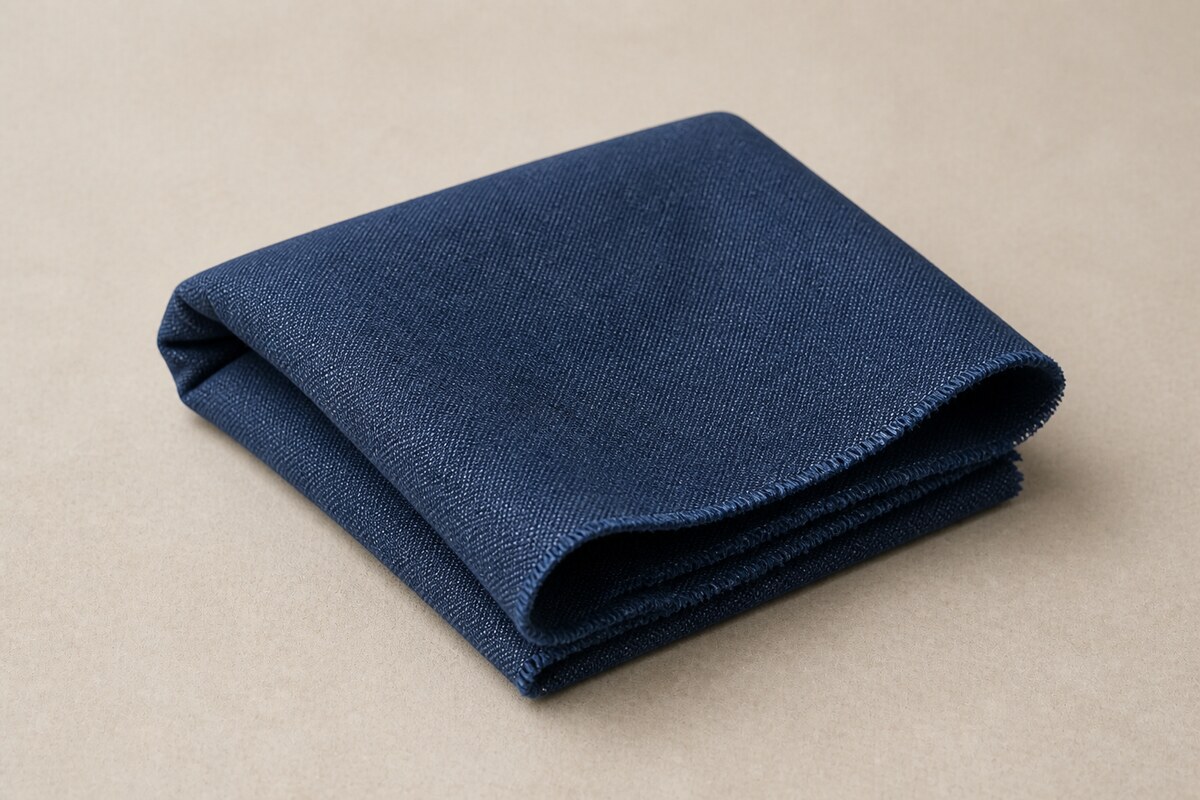
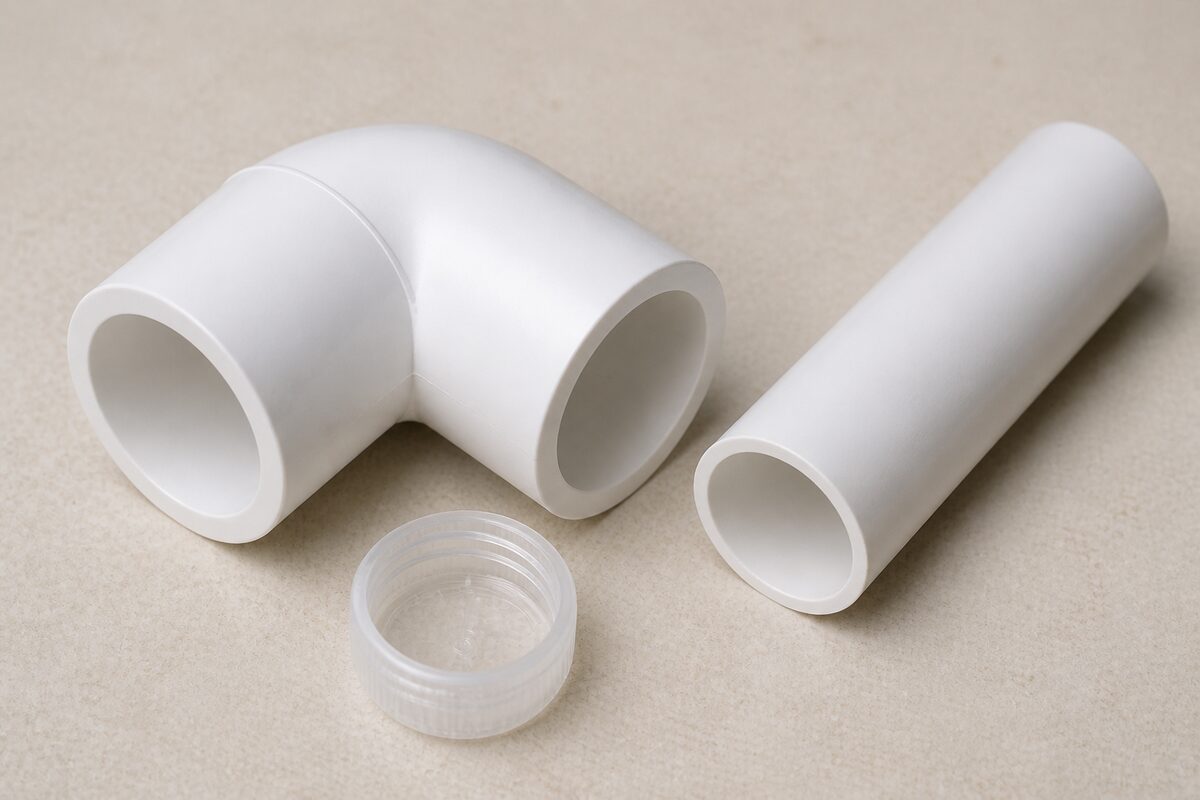
Material pair
Fabric to Plastic
Best bet
Stays soft across a light-duty seam and grips a compatible prepared plastic.
Not for: Load-bearing / shear
Reviewed and adjusted by an editor.
Why this answer
- Soft, porous, and constantly flexing — the adhesive has to stay flexible too, or the seam becomes a stiff ridge that cracks.
- Two very different families hide under one word. Rigid PVC, ABS, and acrylic bond well; waxy PP and PE shrug off ordinary adhesives.
- Stays soft so the seam can still bend and fold.
- Only when the other side is cloth: flexible enough for a fabric-to-plastic seam, far too weak for a structural one.
Conditions
When the answer changes
Alternatives
What else works
A visible flexible seal for movement, water, or outdoor exposure, not a loaded seam.
Better when: Water immersion, Outdoor exposure, Flexing or movement
Water-resistant but prone to foaming through the weave, so it belongs only in a hidden light-duty joint.
Better when: Outdoor exposure, Water immersion
Holds well on heavy canvas and upholstery, but it soaks in and stiffens light cloth.
Avoid
What not to use
Avoid
2-part plastic epoxy
Epoxy — it soaks through the weave and cures rigid, so the fabric tears along the edge of the patch.
Avoid
Spray adhesive
Spray adhesive — a repositionable film, not a bond; it slides off smooth plastic under any load.
Avoid
Super glue (CA)
Super glue — it soaks through, leaves a hard dark spot, and cracks when the cloth folds.
Avoid
Construction adhesive
Construction adhesive — a bead thick enough to work bleeds through the cloth and dries stiff.
Avoid
Wood glue (PVA)
Wood glue — it dries into a stiff board of cloth, and washes out the first time it is laundered.
Questions
Common questions
- Why identify the plastic before attaching fabric?
- Molded plastics can look alike but have very different surface energy and solvent sensitivity. Check the material mark when available, and use a compatible primer system for polypropylene or polyethylene.
- Why test the adhesive on a hidden fabric and plastic area first?
- The adhesive may darken or stiffen the fabric, soften the plastic, or fail to wet a molded finish. A small compatibility test reveals those problems before the visible piece is committed.
- Can glue alone hold a fabric strap to plastic?
- A strap or stressed edge needs a mechanical load path such as stitching around a suitable anchor, a rivet, or a clamped design. Adhesive can stabilize the interface but does not turn a light-duty seam into a structural one.
- What changes when the fabric-to-plastic seam gets wet or flexes?
- Use the page's silicone condition option when a visible flexible seal is acceptable, and confirm that the product suits both materials and the exposure. Keep the joint mechanically reinforced if it also carries load.