Material pair
Ceramic to Wood
Best bet
Bonds a fitted ceramic piece to bare wood without relying on wood porosity alone.
Reviewed and adjusted by an editor.
Why this answer
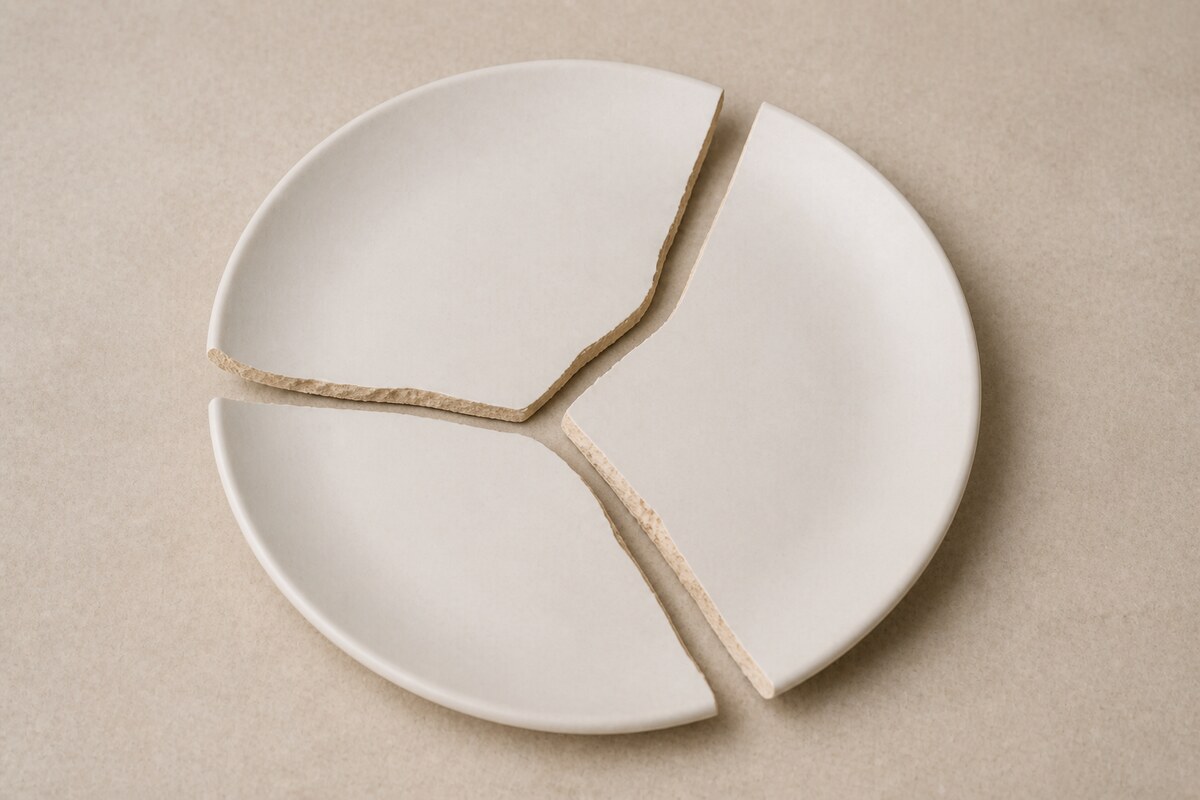
- A clean break fits back like a puzzle with almost no gap — ideal for thin glue lines. Unglazed faces are porous; glazed faces are not.
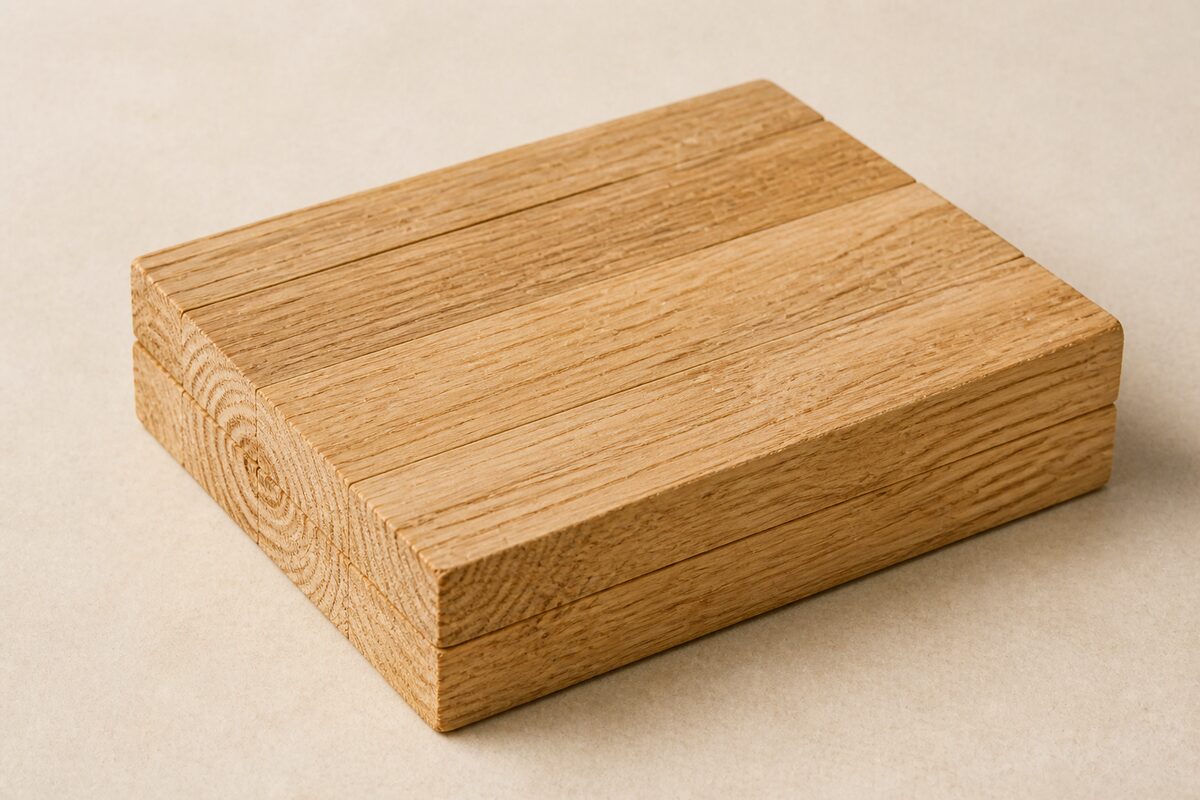
- Porous and slightly forgiving — glue soaks in, and a well-glued joint ends up stronger than the wood around it. Oily hardwoods like teak need a solvent wipe first.
- Fills the tiny gaps in a clean break and survives hot water.
- It bonds to surfaces wood glue cannot, and fills a gap instead of shrinking into one — the reason to reach past PVA on a loose joint or a mixed-material one.
Conditions
When the answer changes
Use Silicone
Use Polyurethane
Use Silicone
Epoxy is for a fitted, stable piece. A thick construction adhesive makes more sense for tile or a fixture on an uneven wall, while outdoor exposure favors polyurethane and movement or immersion favors silicone. None of those choices replaces mechanical support for a heavy overhead piece.
Alternatives
What else works
The thick-bead option for tile or a fixture against an uneven hidden seat.
Better when: Gap or poor fit
A weather-tolerant option for an unglazed, clamped joint where squeeze-out can be hidden.
Better when: Outdoor exposure
A flexible sealing bond where the materials move or remain wet.
Better when: Flexing or movement, Water immersion
Avoid
What not to use
Avoid
Wood glue (PVA)
Wood glue — it shrinks as it dries and won't survive a sink of hot water.
Avoid
Contact cement
Contact cement — the glaze gives its solvent nowhere to go, so the film stays soft and peels.
Avoid
Super glue (CA)
Super glue alone — it grabs wood, but cures brittle and bridges gaps poorly.
Avoid
Flexible fabric adhesive
Fabric adhesive — it is made to stay soft inside a weave, and has no grip on glaze.
Avoid
Spray adhesive
Spray adhesive — far too weak for a rigid part that gets handled and washed.
Questions
Common questions
- Why must the wooden seat be flat before ceramic is bonded to it?
- A rocking ceramic piece creates uneven pressure, unpredictable glue thickness, and concentrated stress. Flatten the support so the part rests naturally instead of being forced into position while the adhesive cures.
- Should a glazed ceramic face always be sanded?
- Follow the adhesive and object guidance rather than sanding automatically. Abrasion can permanently mark visible glaze; when preparation is allowed, confine it to the hidden bond area and remove all dust.
- How does wood movement affect a ceramic-to-wood joint?
- Wood changes dimension with moisture while ceramic remains comparatively stable. Keep long joints from locking the materials together too rigidly, and use the page's flexible condition option where movement is expected.
- Can adhesive alone hold a heavy ceramic piece overhead on wood?
- Use a suitable mechanical support for heavy, overhead, or safety-critical pieces. Adhesive can bed and stabilize the ceramic, but the support should carry the load and retain the piece if the bond weakens.