Article
Why glues don't stick to smooth plastics (and what actually works)
Storage bins, toys, and bottle caps shed super glue and epoxy like water off wax. Here is how to identify non-stick plastics and the two methods that hold.
The short version
If you put super glue or two-part epoxy on a plastic storage tote, a kids' outdoor slide, or a bottle cap, it will peel off in one rubbery sheet the first time the plastic bends. The glue did not fail — the plastic rejected it.
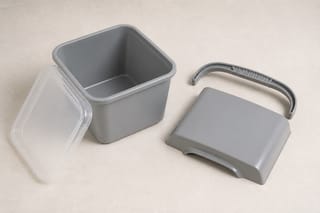
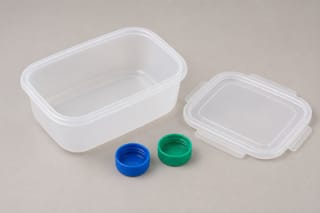
Most everyday household plastics that feel slightly waxy or flexible are polypropylene (PP) or polyethylene (PE / HDPE). They act like non-stick frying pans for adhesive. Ordinary glues cannot wet the surface. To bond them, you need either a 2-step plastic bonding kit with an activator pen or thermal plastic welding.
How to tell what plastic you have
Turn the broken piece over and look for the recycling triangle stamped into the plastic:
- #5 (PP / Polypropylene): Storage totes (Rubbermaid, Sterilite), bottle caps, food containers, car interior trim, yogurt tubs. Flexible, slightly waxy, resists chemical solvents.
- #2 (HDPE / High-Density Polyethylene): Milk jugs, detergent bottles, recycling bins, kayak hulls, outdoor plastic furniture. Tough, slippery, melts under heat.
- #4 (LDPE / Low-Density Polyethylene): Squeeze bottles, trash bags, flexible lids.
- #6 (PS / Polystyrene) or #7 (ABS / PC / Acrylic): Hard, rigid, brittle plastics (appliance housings, model kits, Legos). These can be glued with standard plastic epoxy, super glue, or solvent cement without special primers.
If there is no stamp: place a drop of water on the clean surface. If the water beads up into a round droplet (like on a freshly waxed car), it is low-surface-energy PP or PE.
Why standard glues peel off
Glues require surface energy to grip. Rigid plastics like acrylic or ABS have high surface energy, allowing liquids to spread flat and lock into microscopic crevices. Polypropylene and polyethylene have extremely low surface energy — their molecular chains are completely saturated and non-polar.
- Super glue (CA): Forms a hard, brittle film that sits on top without biting in. The moment the plastic flexes, the glue snaps off.
- Epoxy: Grips well on rigid materials, but peels off PP/PE like silicone off glass unless an expensive industrial chemical etch is used.
- Solvent cement: Melts PVC and ABS, but ordinary solvents bounce right off PP and PE.
The two methods that actually hold
1. Two-step plastic primer kits (The easiest home fix)
Pick up a dedicated two-part plastic adhesive kit (such as Loctite Plastics Bonding System).
- Scuff and clean: Sand the break with 180-grit sandpaper and wipe clean with isopropyl alcohol.
- Apply the activator pen: The activator acts as a chemical bridge that raises the surface energy of the plastic.
- Apply the glue: Add a single drop of the matching cyanoacrylate gel and press firmly for 30–60 seconds.
2. Plastic welding (For thick structural repairs)
For outdoor trash cans, storage crates, or kayak cracks, melting the plastic together beats any adhesive:
- Use a standard soldering iron or plastic welding tool with a flat tip.
- "V-groove" the crack along both sides.
- Melt the plastic back together, feeding in a sliver of donor plastic from a matching recycling number (or a zip tie for nylon/PP).
- Reinforce high-stress areas by embedding stainless steel wire mesh into the molten plastic.
When to replace instead of glue
Do not waste time trying to glue:
- Gasoline cans or fuel containers: Solvents and vapor pressure make home glue repairs unsafe.
- Thin snapping clips on electronics or toys: High flexing movement on a tiny 1 mm contact area will shear any glue joint.
- Pressurized water tanks or plumbing pipes: PP/PE pipes require heat-fusion fittings, not surface glue.