Material pair
Glass to Wood
Best bet
It bonds to surfaces wood glue cannot, and fills a gap instead of shrinking into one — the reason to reach past PVA on a loose joint or a mixed-material one.
Derived from our material compatibility data.
Why this answer
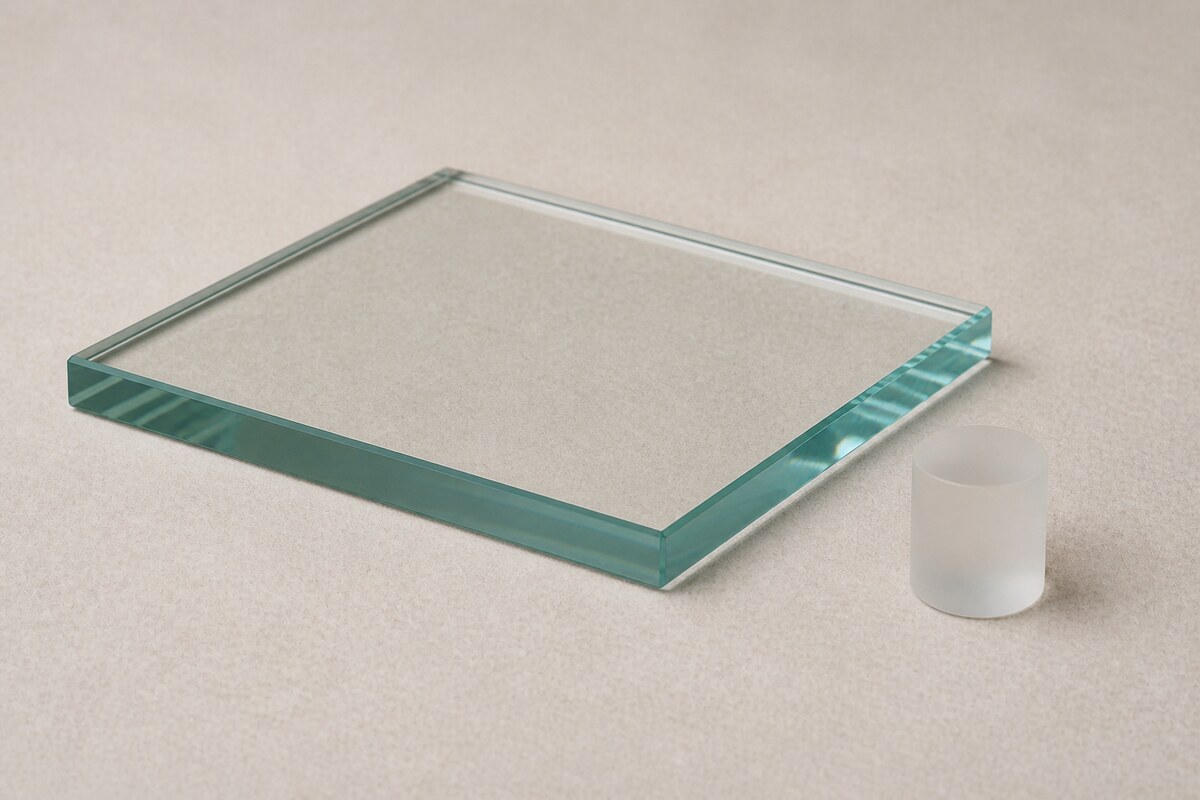
- Non-porous and unforgiving — any grease film or fingerprint weakens the joint and stays visible through the glass forever.
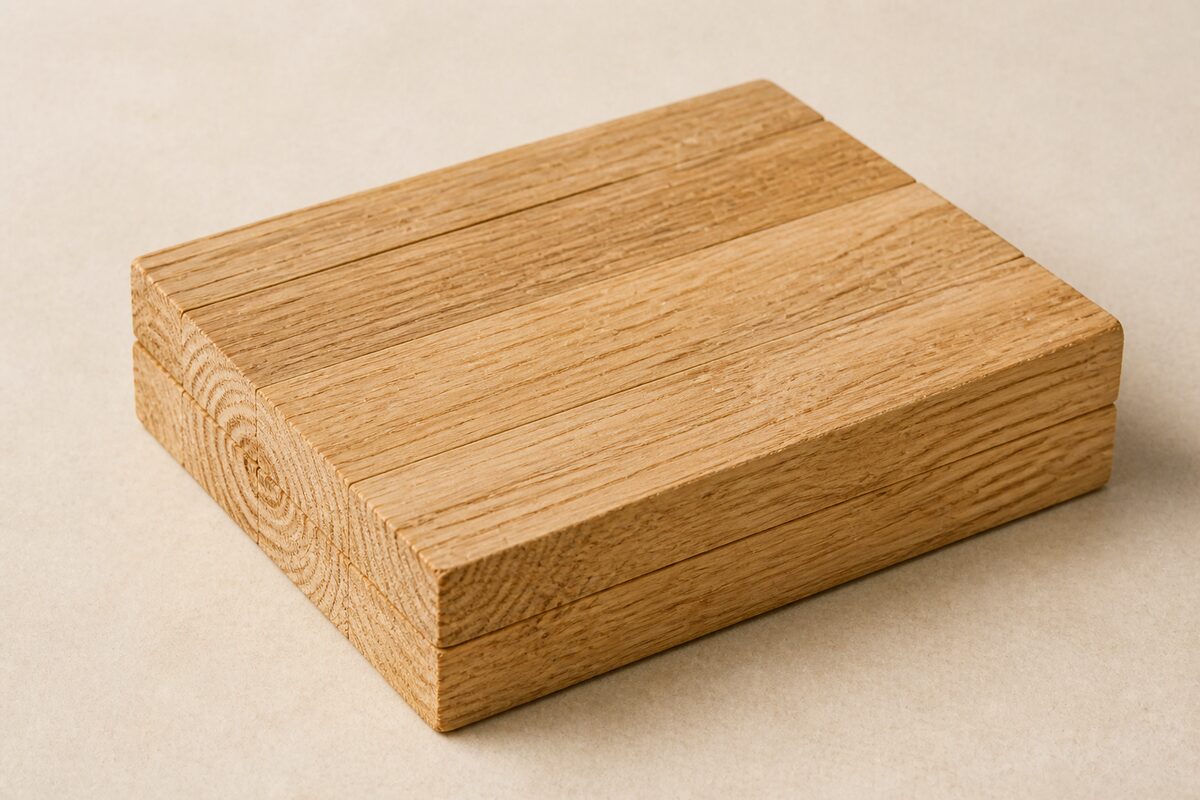
- Porous and slightly forgiving — glue soaks in, and a well-glued joint ends up stronger than the wood around it. Oily hardwoods like teak need a solvent wipe first.
- Cures clear and rigid, and stays waterproof.
- It bonds to surfaces wood glue cannot, and fills a gap instead of shrinking into one — the reason to reach past PVA on a loose joint or a mixed-material one.
Conditions
When the answer changes
Alternatives
What else works
Only for hanging a mirror or glass panel on a wall, and only with a mirror-rated tube — ordinary solvent formulas eat the silver backing.
Better when: Gap or poor fit
The right answer when the joint gets wet or has to move — it stays flexible for decades.
Better when: Flexing or movement, Water immersion
Avoid
What not to use
Avoid
Wood glue (PVA)
Wood glue — it dries by soaking into pores, and glass has none.
Avoid
Contact cement
Contact cement — it needs a surface that lets solvent escape, and the rubbery film simply peels off glass.
Avoid
Polyurethane
Anything opaque or expanding — the foamed glue line shows straight through the glass and can't be hidden.
Avoid
Super glue (CA)
Super glue alone — it grabs wood, but cures brittle and bridges gaps poorly.
Avoid
Flexible fabric adhesive
Fabric adhesive — it grips through a weave, and there is nothing to grip on glass.
Avoid
Spray adhesive
Spray adhesive — a temporary tack for holding a stencil or film, never a bond.
Questions
Common questions
- How do I keep a glass-to-wood bond from cracking the glass?
- Allow for the materials to move differently as humidity changes. Use separated adhesive pads or a flexible adhesive where the design permits, instead of locking a long glass edge to moving wood with one continuous rigid glue line.
- Why should glass be cleaned immediately before bonding?
- Fingerprints, polish, and airborne residue form a weak film on glass. Clean it as directed, use a lint-free cloth, and handle the prepared piece only by its edges so the adhesive reaches the glass itself.
- Why must the wooden seat be flat before the glass is glued?
- A rocking or twisted seat creates uneven pressure and leaves unpredictable gaps. Flattening the seat lets the glass rest without being forced into shape and gives each adhesive pad consistent contact.
- Should adhesive alone hold overhead or safety-critical glass to wood?
- Use clips, a frame, or another suitable mechanical retainer for glass whose fall could injure someone. Adhesive can locate, cushion, or seal the glass, but the design should remain safe if the bond is damaged.