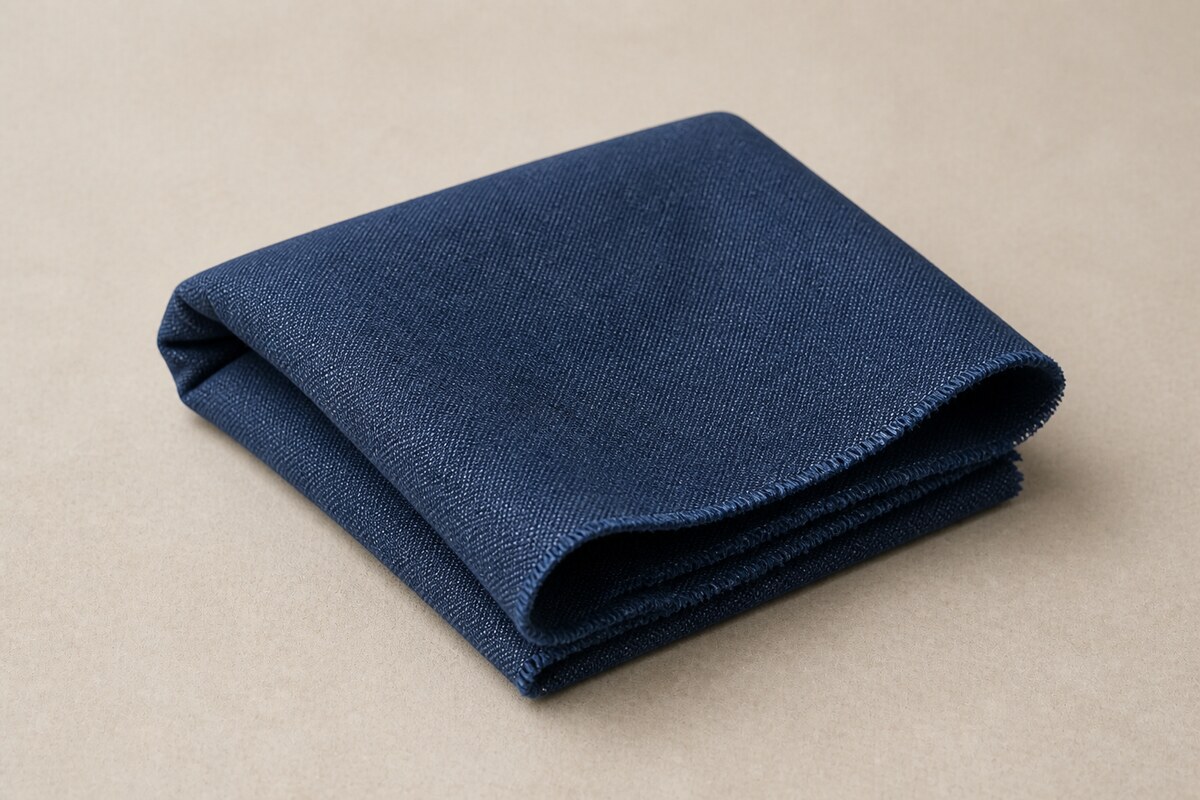
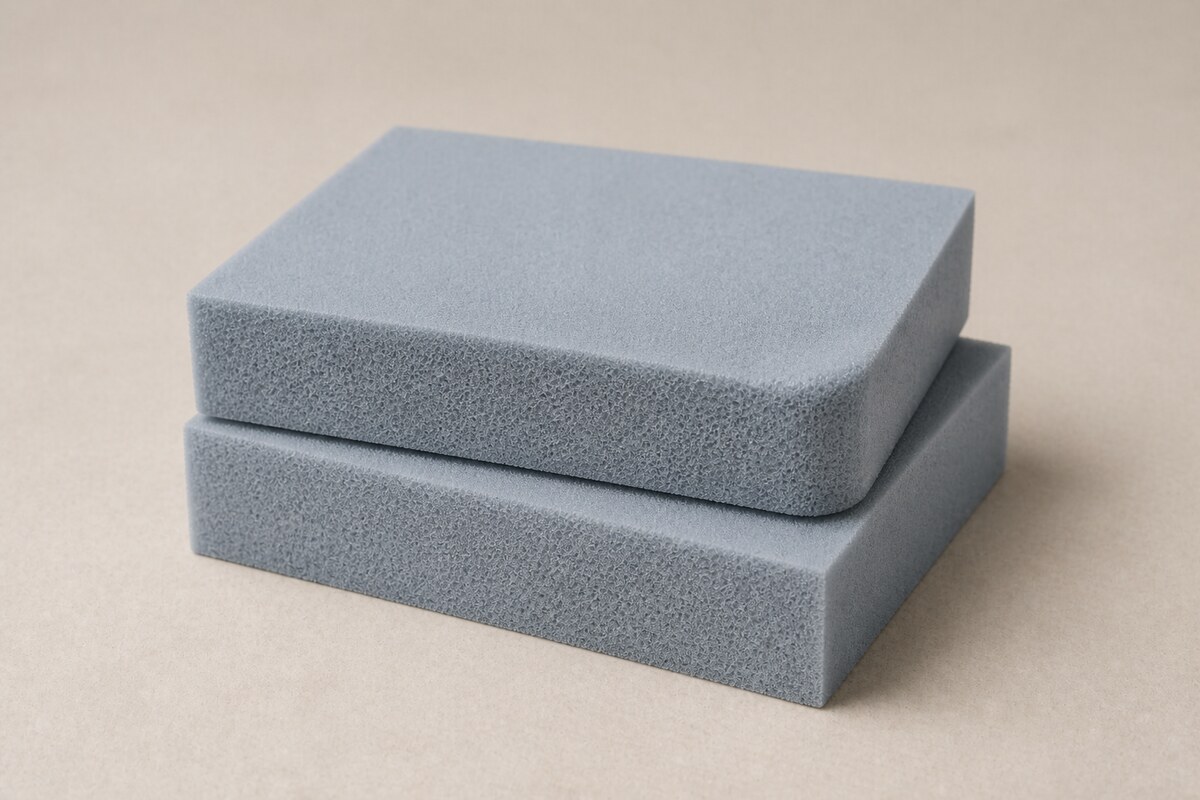
Material pair
Fabric to Foam
Best bet
Right for laminating a large panel of cloth, not for a seam that takes any pull.
Not for: Load-bearing / shear, Water immersion
Derived from our material compatibility data.
Why this answer
- Soft, porous, and constantly flexing — the adhesive has to stay flexible too, or the seam becomes a stiff ridge that cracks.
- Mostly air — the solvents in many adhesives literally melt it, polystyrene foam worst of all. Water-based and foam-safe formulas only.
- Right for laminating a large panel of cloth, not for a seam that takes any pull.
- No solvents, so it can't melt the foam.
Conditions
When the answer changes
Use Silicone
Use Silicone
Use Silicone
Use Polyurethane
This pairing is for facing a cushion, not for holding one together — the foam tears long before any adhesive does, so nothing here carries a load. Check that the product names foam on the label: a solvent-based spray will melt a polystyrene core while it dries.
Alternatives
What else works
Water-based and foam-safe, and it stays soft — the right pick for facing foam with cloth.
The patch for an awning or a tent: waterproof and endlessly flexible, though it leaves a visible rubbery band.
Better when: Water immersion, Outdoor exposure, Flexing or movement
Waterproof and strong, but it foams through the weave and leaves a hard ridge.
Better when: Outdoor exposure, Water immersion
Avoid
What not to use
Avoid
Wood glue (PVA)
Wood glue — it dries into a stiff board of cloth, and washes out the first time it is laundered.
Avoid
Contact cement
Solvent-based contact cement dissolves polystyrene foam on contact.
Avoid
Foam-board construction adhesive
Construction adhesive — a bead thick enough to work bleeds through the cloth and dries stiff.
Avoid
Epoxy
Epoxy — it soaks through the weave and cures rigid, so the fabric tears along the edge of the patch.
Avoid
Super glue (CA)
Super glue — it soaks through, leaves a hard dark spot, and cracks when the cloth folds.
Products
Products for this joint
- 3M Foam Fast 74 Spray AdhesiveFoam lamination and upholstery: flexible urethane or latex foam to itself, fabric, wood, metal, or plastic, with a soft glue line.
- 3M Super 77 Multipurpose Spray AdhesiveWide-area, light-duty bonding of paper, cardboard, fabric, foil, plastic, insulation, and leather with low soak-through.
Questions
Common questions
- Why must a spray adhesive specifically say it is safe for foam?
- Some solvent carriers attack foam while the adhesive dries, especially on sensitive foam types. Confirm that the exact product names the foam in question, and test an offcut when the material is uncertain.
- How do I keep adhesive from showing through the fabric?
- Work from the back of the cloth and apply a light, even coat within the product instructions. Too much adhesive can soak through the weave, darken or stiffen the face, and still leave an uneven bond.
- Can a fabric-to-foam bond carry a structural or pulling load?
- Treat it as a facing or lamination bond. Under significant pull, the foam itself can tear beside the glue line, so use a mechanical construction or a load-spreading backing for anything that must carry weight.
- Can foam be cleaned with solvent before gluing?
- Avoid solvent cleaning unless the foam and adhesive manufacturers explicitly allow it. Brush away loose crumbs and dust instead; an incompatible cleaner can soften, shrink, or dissolve the bonding surface.