All articles
Guide
Tighten a loose chair leg
Use Wood glue (PVA) for this repair. A re-glued joint ends up stronger than the wood around it.
This task involves: Gap or poor fit
Best Glue for This Repair
A re-glued joint ends up stronger than the wood around it.
Not for: Gap or poor fit
Reviewed and adjusted by an editor.
Why Wood glue (PVA) Works Here
- Porous and slightly forgiving — glue soaks in, and a well-glued joint ends up stronger than the wood around it. Oily hardwoods like teak need a solvent wipe first.
- It soaks into the grain and cures stronger than the wood itself.
How to do it
Tighten a loose chair leg: Step by Step
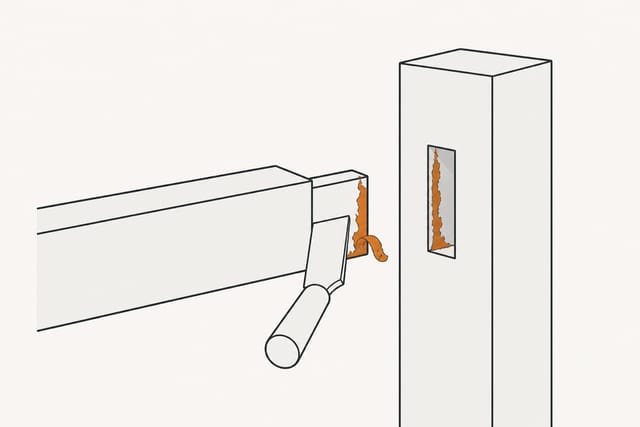
- Take the joint fully apart and scrape off the old, failed glue.
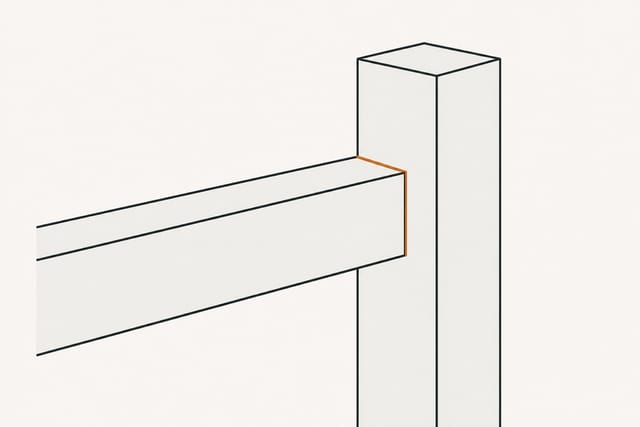
- Dry-fit the parts; if the tenon is loose in the mortise, plan to fill the gap.
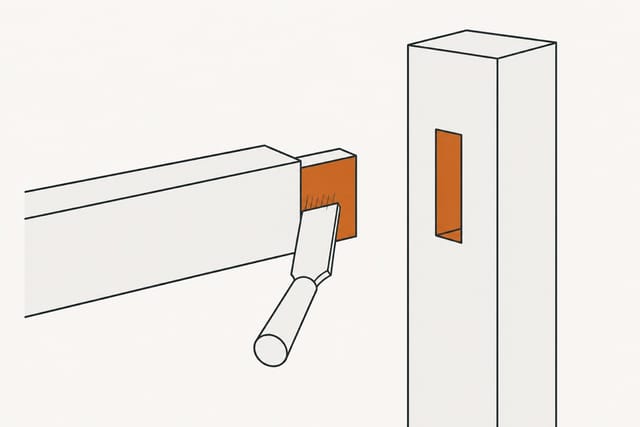
- Brush wood glue onto both surfaces.
- Reassemble and clamp square — check with a quick diagonal measurement.
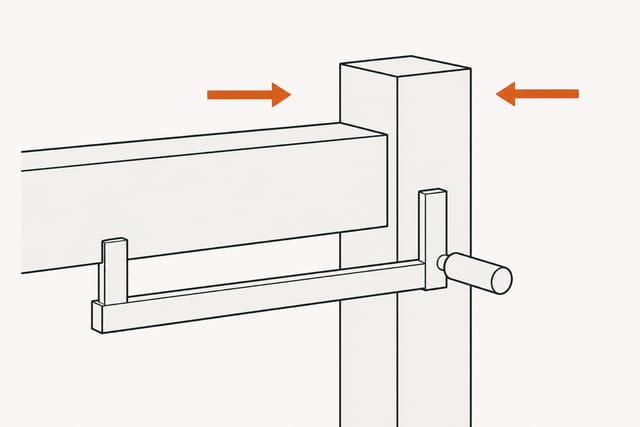
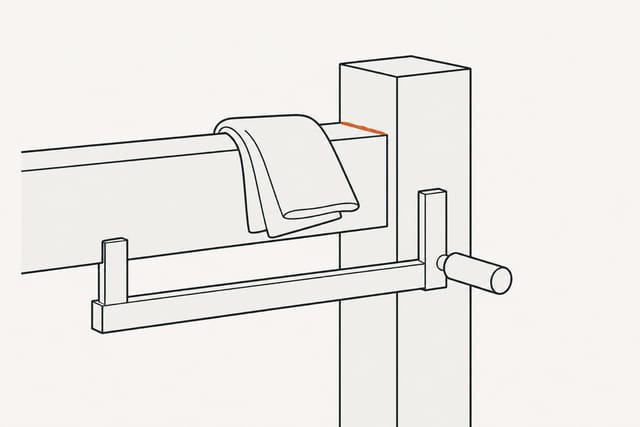
- Wipe the squeeze-out with a damp cloth and leave clamped overnight.
Conditions
When to Use Gap-filling epoxy Instead
A badly worn, wobbly tenon needs gap-filling epoxy or a wood shim instead of PVA. If the joint can't come apart, inject glue with a syringe rather than forcing it.
Alternatives
Other Adhesives That Work
It bonds to surfaces wood glue cannot, and fills a gap instead of shrinking into one — the reason to reach past PVA on a loose joint or a mixed-material one.
Better when: Gap or poor fit
Questions
Common Questions About This Repair
- Why remove the old glue from a loose chair joint?
- Fresh wood glue needs access to sound, bare wood fibers. Brittle residue can block that contact and create a weak layer, so scrape it away without changing the shape of the tenon or mortise.
- Should a worn chair tenon be shimmed or filled with epoxy?
- A well-fitted wood shim can restore broad wood-to-wood contact when wear is even and the joint can still be assembled correctly. Gap-filling epoxy is more useful for an irregular fit or missing material that cannot be restored by a simple shim.
- How do I keep the chair from curing out of square?
- Dry-fit first, place the chair on a flat surface, and check that all legs sit evenly before tightening clamps. Recheck alignment after clamping because pressure can pull a rail or leg away from its intended position.
- Can I inject glue into a chair joint without taking it apart?
- It is a fallback when the joint cannot be separated safely, but it is less dependable because old glue and dirt remain inside and the new adhesive may not reach every surface. Disassembly and proper preparation give a more predictable repair.