Guide
Repair a lifting vinyl plank
First decide if the floor is glue-down or floating click-lock. A lifted glue-down plank can go back with construction adhesive on a dry, sound subfloor. A click-lock plank with a broken tongue needs a new plank — do not glue the lock.
Best Glue for This Repair
Beds a lifted glue-down plank back onto a dry subfloor. It is a one-way repair — you will not lift that plank cleanly again.
Reviewed and adjusted by an editor.
Why Construction adhesive Works Here
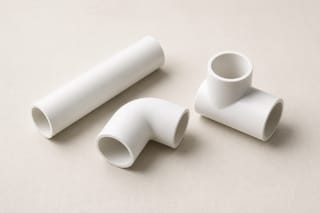
- The one common household plastic with a purpose-made welding solvent, and that changes the whole answer: for pipe, fittings, and any joint that has to hold pressure, PVC cement is not one option among several, it is the joint. Ordinary adhesives are for the cases cement cannot cover — bonding PVC to something that is not PVC, or closing a gap where the two faces do not meet.
- For large panels like PVC trim, where a bead along the back is the point.
How to do it
Repair a lifting vinyl plank: Step by Step
- Decide what you have. A floating click-lock floor lifts as a sheet and the long edges snap; a glue-down plank is stuck to the subfloor and only the failed area lifts.
- If the subfloor is wet, soft, or smells sour, stop. Dry the leak and the substrate. Glue on a wet floor will lift again.
- Click-lock: if the tongue is broken or the plank will not snap, replace the plank. If only a dry corner has lifted and the lock still clicks, lift it just enough to put one drop of super glue under the corner, press, and weight it.
- Glue-down: lift the loose area, scrape old adhesive off the plank back and the subfloor, and let both dry. Butter a thin zigzag of construction adhesive, press the plank flat, and wipe squeeze-out.
- Weight the repair until the adhesive has fully set. Stay off that plank. Do not flood a click-lock joint with any glue.
Conditions
When to Use Super glue (tiny corner only) Instead
Standing water under the floor means fix the leak and dry the subfloor first. A click-lock corner that still locks can take a tiny drop of super glue under the lift; a lock that no longer clicks is scrap. Foaming polyurethane will swell the joint and ruin neighboring planks.
Alternatives
Other Adhesives That Work
A single drop under a dry click-lock corner that still locks. It is not a substitute for a broken tongue.
Avoid
Glues to Avoid for This Repair
Avoid
Foaming polyurethane glue
The foam lifts the plank into a hump and can lock neighboring boards so they cannot come up later.
Avoid
Wood glue (PVA)
PVA needs porous wood. The vinyl wear layer and a sealed subfloor give it nothing to soak into.
Questions
Common Questions About This Repair
- Should I glue a click-lock vinyl plank joint?
- No. The lock is a mechanical joint. Glue in the tongue stops the floor from moving and makes the next repair harder. A broken tongue is a replacement plank.
- What if the vinyl plank is lifting from water?
- Stop and dry the leak and the subfloor. Glue on a wet substrate lifts again. Soft or sour-smelling board under the plank means the substrate is finished in that spot.
- Does wood glue work under vinyl plank?
- No. PVA needs porous wood. The vinyl wear layer and a sealed or concrete subfloor give it nothing to soak into, so the plank lifts again.
- Can I use original Gorilla Glue on a lifting plank?
- No. The foam lifts the plank into a hump and can lock neighboring boards so they will not come up later. Use construction adhesive on a glue-down plank, or replace a broken click-lock plank.