More material pairs
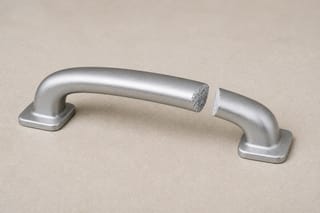
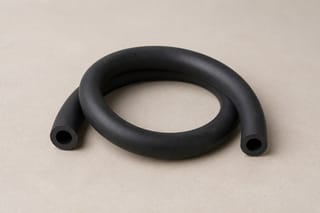
Material pair
How to Glue Metal to Rubber
Use super glue for small, tight metal-to-rubber (or rubber-to-metal) parts that stay indoors. Switch to flexible polyurethane if the joint flexes constantly or lives outdoors.
Best Adhesive for Metal to Rubber
Grabs rubber to metal in seconds on small, tight-fitting parts.
Reviewed and adjusted by an editor.
Why Super glue (CA) Works
- Smooth, dense, and non-porous — the glue sits entirely on the surface, so scuffing and degreasing matter more than which glue you pick.
- Flexible and slightly oily — it needs a bond that flexes with it, plus a quick scuff so the glue has something to grip.
- Instant grip on a small, closely fitted part; it cures brittle, so anything that flexes or takes a knock cracks it straight off.
- Grabs in seconds on small, tight-fitting parts.
Conditions
When to Use Flexible polyurethane Instead
If the joint flexes constantly or lives outdoors, switch to a flexible polyurethane. CA is for small, tight, indoor parts.
Alternatives
Other Adhesives That Work
Waterproof and more forgiving of movement than epoxy, but it has no pores to foam into on this side — scuff the metal and clamp the joint.
Better when: Flexing or movement, Outdoor exposure
Products
Products for Bonding Metal to Rubber
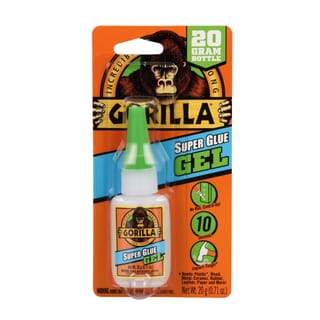
- Gorilla Super Glue GelVertical or slightly porous small repairs where a runny CA would drip or soak in.
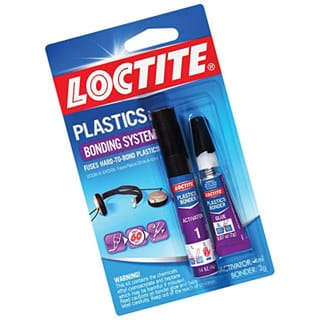
- Loctite Plastics Bonding SystemThe fix for polypropylene and polyethylene — an activator pen primes the waxy surface so the adhesive can grip. Also handles PVC, polycarbonate, and other hard plastics.
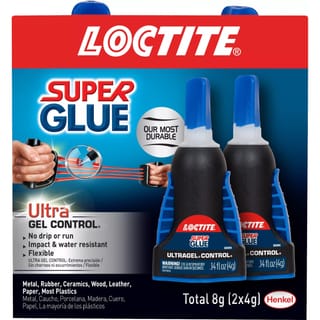
- Loctite Super Glue Ultra Gel ControlSmall, tight-fitting breaks — a ceramic handle, a rubber foot, a plastic clip. The rubber-toughened gel tolerates knocks and vibration better than ordinary CA.
Questions
Common Questions About Gluing Metal to Rubber
- Can you glue rubber to metal?
- Yes, on small parts that already fit closely. Super glue grabs quickly indoors; a joint that flexes or lives outdoors needs a flexible polyurethane instead.
- Does super glue work on rubber and metal?
- It works as a thin film between small, tight faces. It does not rebuild missing rubber or hold a thick, peeling edge. Keep it for indoor parts that already meet.
- What glue should I use if the rubber flexes?
- Switch to flexible polyurethane. Repeated bending and outdoor exposure crack a small rigid instant bond; a more forgiving glue line can move with the rubber.
- How do I stop a rubber-to-metal bond from peeling?
- Spread the load across the bonded face instead of pulling one edge up. A flange, recess, wrap, or other mechanical retention protects the glue line when the design allows it.