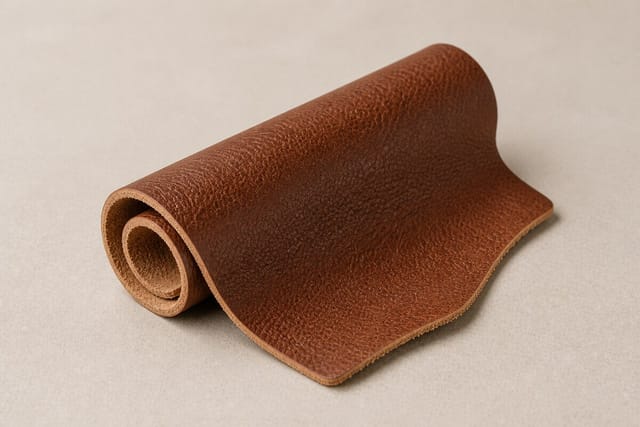
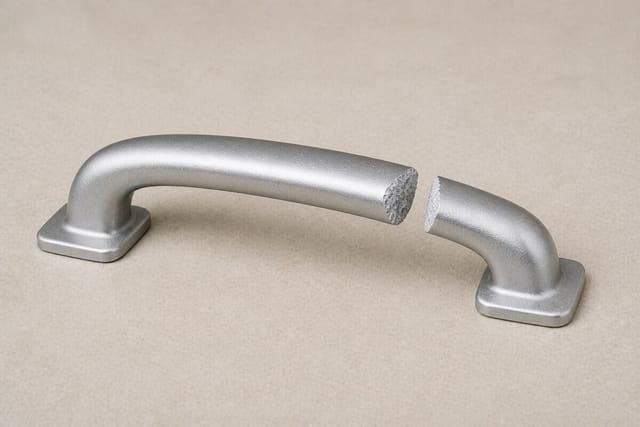
Material pair
How to Glue Leather to Metal
Use all-purpose contact cement (like Barge or DAP Weldwood) for flexible leather-to-metal joints on belts, bags, and holsters. Switch to 2-part epoxy for rigid hardware and tool handles.
Best Adhesive for Leather to Metal
Shoemaker's contact cement (Barge)
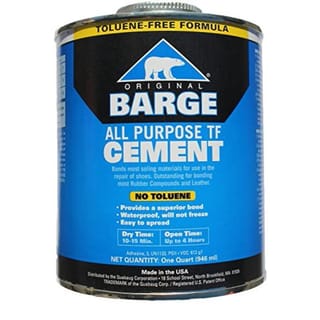
Stays permanently rubbery and flexes with leather while gripping scuffed metal tenaciously.
Not for: Load-bearing / shear, Heat exposure
Reviewed and adjusted by an editor.
Why Shoemaker's contact cement (Barge) Works
- Porous and flexible like fabric but denser — the bond must bend without cracking, and load-bearing seams want stitching as backup.
- Smooth, dense, and non-porous — the glue sits entirely on the surface, so scuffing and degreasing matter more than which glue you pick.
- Grips on contact and stays flexible for years — what a cobbler reaches for.
- For facing metal with laminate, rubber, or leather over a wide area; degrease first, and expect it to soften if the metal gets hot.
- Stays permanently rubbery and flexes with leather while gripping scuffed metal tenaciously.
Conditions
When to Use 2-part structural epoxy (J-B Weld) Instead
Leather constantly bends and flexes under body movement. Rigid adhesives will crack the leather fibers right along the glue line. Only use flexible contact adhesives for dynamic leather joints.
Alternatives
Other Adhesives That Work
2-part structural epoxy (J-B Weld)
Best for rigid knife handles, metal rivets, and non-bending structural brackets.
Better when: Load-bearing / shear
Avoid
What not to use
Avoid
Standard super glue
Cures into glass-hard crystals, soaks into leather causing stiff discoloration, and shears off metal.
Products
Products for Bonding Leather to Metal
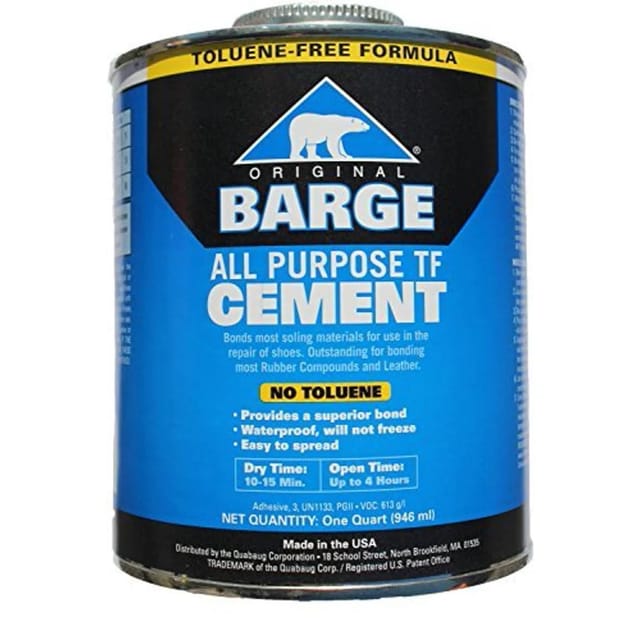
- Barge All-Purpose CementThe professional gold standard for shoe repair, leathercrafting, boot resoling, rubber soles, and heavy fabric laminations — waterproof, permanent, and stays flexible under repeated bending.
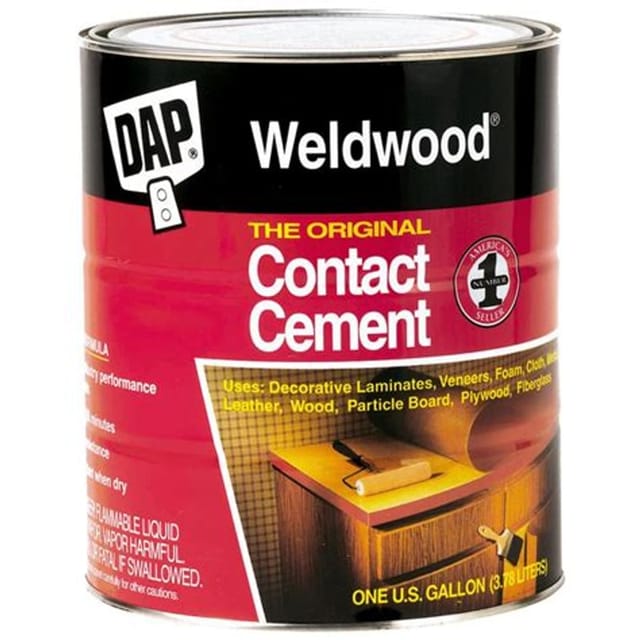
- DAP Weldwood Original Contact CementHigh-pressure laminate on countertops, tabletops, and cabinets; also veneer, leather, fabric, and rubber — a full-coverage bond that needs no clamps.
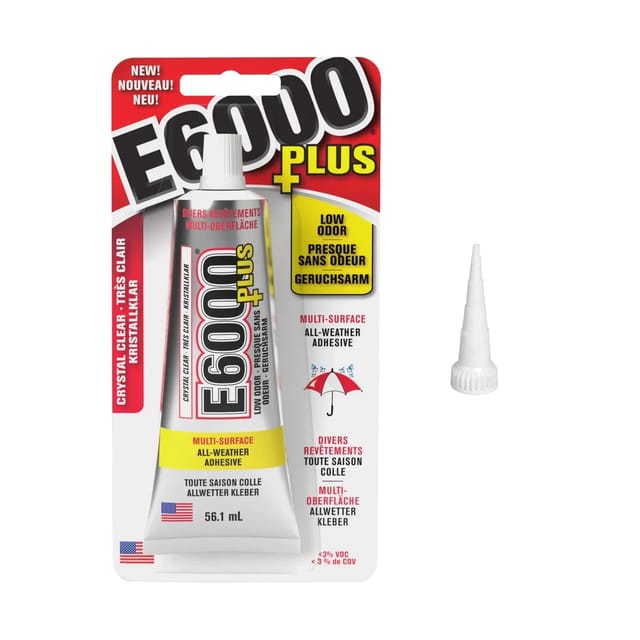
- E6000 Craft & Industrial AdhesiveHigh-strength, flexible bonding across mixed materials — the legendary craft and repair adhesive for jewelry, glass to metal, fabric to leather, and shoe repairs.
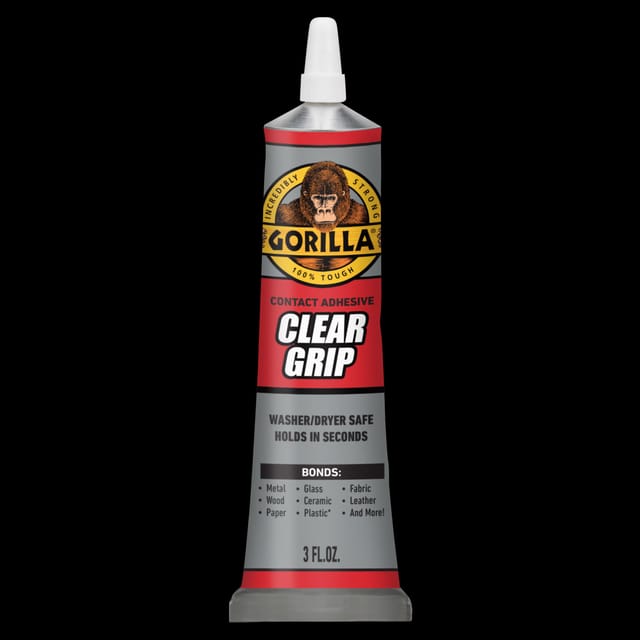
- Gorilla Clear Grip Contact AdhesiveCrystal-clear, flexible, waterproof contact bonding across crafts, home repairs, leather, fabric, wood, metal, glass, and ceramic.
Questions
Common Questions About Gluing Leather to Metal
- How do I reattach a metal buckle to a leather belt?
- Scuff the back of the leather loop and the metal buckle frame. Apply contact cement to both surfaces, let dry 10 minutes until tacky, press together firmly with pliers or a clamp, and let cure 24 hours.
- Can I use super glue to fix a loose metal stud on my leather jacket?
- No. Super glue wicks deep into leather fibers, causing a permanent stiff dark spot that will crack under strain. Use a drop of contact cement or a flexible epoxy instead.