More material pairs
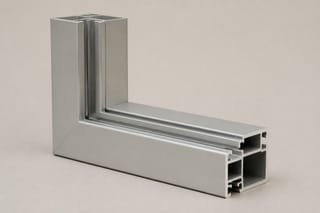
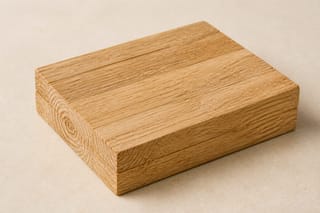
Material pair
How to Glue Aluminum to Wood
Use 2-part epoxy for most aluminum-to-wood joints. Wets out both surfaces — but the aluminum must be scuffed bright and degreased first.
Best Adhesive for Aluminum to Wood
Wets out both surfaces — but the aluminum must be scuffed bright and degreased first.
Reviewed and adjusted by an editor.
Why 2-part epoxy Works
- The dull oxide layer on the surface is what glue bonds to — and it flakes off under load. Scuff to bright metal and degrease right before gluing for a bond that lasts.
- Porous and slightly forgiving — glue soaks in, and a well-glued joint ends up stronger than the wood around it. Oily hardwoods like teak need a solvent wipe first.
- The strongest rigid bond — but only on aluminum scuffed to bright metal and degreased.
- It bonds to surfaces wood glue cannot, and fills a gap instead of shrinking into one — the reason to reach past PVA on a loose joint or a mixed-material one.
Conditions
When to Use Polyurethane Instead
If the joint will flex or live outdoors, polyurethane is more forgiving than rigid epoxy. For a rigid bracket-style joint, stay with epoxy — a slow-cure formula for maximum strength, a 5-minute epoxy for quick work.
Alternatives
Other Adhesives That Work
Waterproof and tolerant of the movement aluminum shows in the sun; it foams and needs clamping, and the metal still has to be scuffed bright.
Better when: Flexing or movement, Outdoor exposure
Products
Products for Bonding Aluminum to Wood
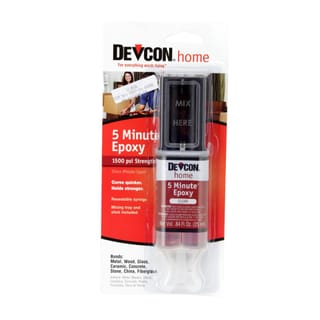
- Devcon 5 Minute EpoxyRapid, crystal-clear bonding on metal, glass, ceramic, wood, and rigid plastics — the benchmark fast-curing 2-part epoxy for jewelry, fine craft, and clean household break repairs.
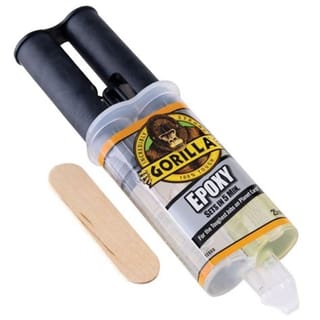
- Gorilla 2-Part EpoxyGeneral household rigid repairs where a clear, gap-tolerant bond matters.
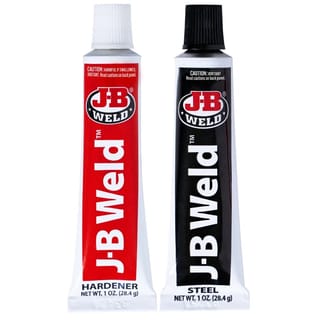
- J-B Weld OriginalRigid metal repairs — a cracked bracket, a stripped hole, a broken tool handle.
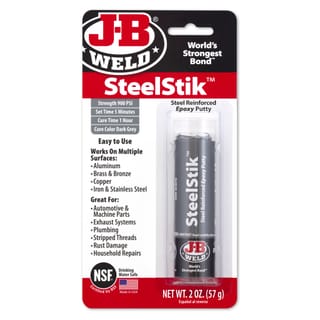
- J-B Weld SteelStik Epoxy PuttyHand-kneadable, non-rusting steel-reinforced epoxy putty for emergency plumbing repairs, auto components, stripped metal threads, and rebuilding missing metal/machinery sections — sets in 5 minutes and fully cures in 1 hour with 4,000 psi tensile strength.
Questions
Common Questions About Gluing Aluminum to Wood
- Can you glue aluminum to wood?
- Yes, after the aluminum is scuffed bright and degreased and the wood is bare — the same if you are gluing wood to aluminum. 2-part epoxy is the rigid indoor joint; movement or outdoor use favors polyurethane.
- Does wood glue work on aluminum?
- No. PVA needs to soak into fibers. Aluminum has none, so the bond peels off the metal. Use a family that grips both sides, and still scuff the aluminum.
- Should I use epoxy or polyurethane on aluminum and wood?
- Epoxy for a close-fitting indoor joint that stays still. Polyurethane when the wood will move with humidity or the piece lives outdoors.
- Can an aluminum bracket rely only on glue to wood?
- Not when failure could injure someone or drop a load. Adhesive can bed the plate; the assembly still needs fasteners appropriate to the job.