Guide
Repair a leak in an inflatable vinyl pool or airbed
Use Flexible vinyl cement for this repair. Solvent-welds directly into the PVC vinyl membrane, flexing with air inflation and resisting continuous water pressure without peeling.
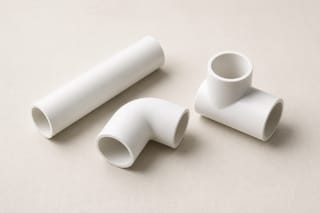
This task involves: Water immersion, Flexing or movement
Best Glue for This Repair
Solvent-welds directly into the PVC vinyl membrane, flexing with air inflation and resisting continuous water pressure without peeling.
Extra prep
- Cut square, deburr, and wipe both faces clean. Use the primer your plumbing code calls for, then push the joint fully home and hold it — a fitting can back itself out while the plastic is soft.
Not for: Gap or poor fit
Reviewed and adjusted by an editor.
Why Flexible vinyl cement Works Here
- The one common household plastic with a purpose-made welding solvent, and that changes the whole answer: for pipe, fittings, and any joint that has to hold pressure, PVC cement is not one option among several, it is the joint. Ordinary adhesives are for the cases cement cannot cover — bonding PVC to something that is not PVC, or closing a gap where the two faces do not meet.
- It softens both faces so the fitting and the pipe finish as a single piece — the only joint that holds pressure, and the strongest one on rigid PVC generally. It welds a seam, so it cannot rescue a gap.
- Cut square, deburr, and wipe both faces clean. Use the primer your plumbing code calls for, then push the joint fully home and hold it — a fitting can back itself out while the plastic is soft.
How to do it
Repair a leak in an inflatable vinyl pool or airbed: Step by Step
- Locate the puncture or seam leak using soapy water bubbles, then deflate the item and dry the surface completely.
- Clean the vinyl around the puncture thoroughly with rubbing alcohol to remove body oils, dirt, and sunscreen.
- Cut a round vinyl patch that overlaps the tear by at least 1 to 2 inches on all sides, rounding the corners to prevent peeling.
- Apply an even coat of flexible vinyl solvent cement to both the patch and the damaged area, let it tack for 1–2 minutes, and press firmly from the center outward.
- Weight the patch down with a flat, heavy object and let it cure undisturbed for 24 hours before inflating or filling with water.
Conditions
When to Use Flexible polyurethane adhesive Instead
For leaks in large swimming pools that cannot be emptied, use an underwater vinyl repair kit with specialized water-curing solvent cement and smooth the patch underwater from the center out.
Alternatives
Other Adhesives That Work
Flexible polyurethane adhesive
A durable waterproof alternative for heavy vinyl-coated fabrics and tarps, though slower to set than vinyl cement.
Better when: Flexing or movement
Questions
Common Questions About This Repair
- Can I use super glue or duct tape on an inflatable vinyl leak?
- No. Super glue dries into a brittle, rigid film that snaps as soon as the vinyl inflates and flexes. Duct tape adhesive dissolves quickly in water and chlorine. Dedicated flexible vinyl cement chemically fuses with the PVC membrane and stretches with pressure.
- Why should patch corners always be rounded?
- Square 90-degree corners snag on water movement, swimwear, and feet, starting a peeling failure at the sharp point. A circular or rounded patch distributes tension evenly and prevents edge lifting.
- Can a vinyl pool be patched without draining the water?
- Yes, with a dedicated underwater vinyl repair kit. Fold the adhesive-coated patch, take it underwater, unfold it directly over the leak, and smooth it firmly from the center outward. Allow 48 hours undisturbed before heavy swimming or vacuuming.
- How do I patch a flocked or velvet-top air mattress?
- Gently buff away the fuzzy flocking fibers around the hole using 150-grit sandpaper or a pencil eraser until bare, smooth vinyl is exposed. Clean the area with rubbing alcohol before applying the vinyl patch.